Pipeline and Industrial Maintenance Jobs in Europe (2026)
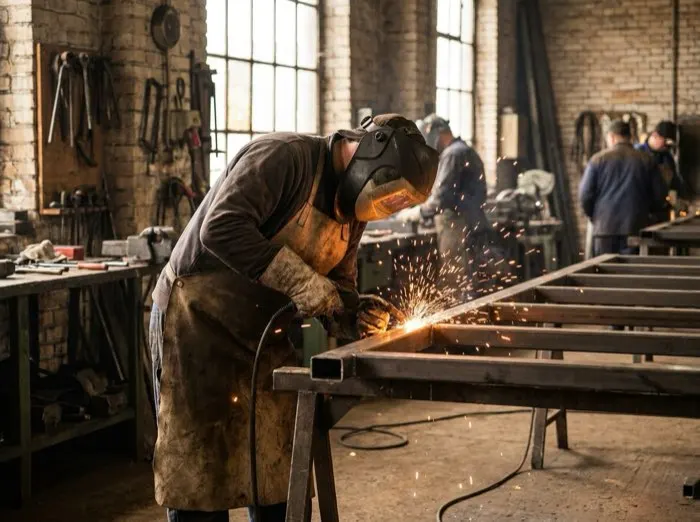
Europe's refineries, chemical parks, power stations, gas networks and factories all have one thing in common: they must be maintained, repaired and periodically shut down for overhaul. This maintenance economy runs on travelling crews of welders, pipefitters, mechanical fitters, riggers and scaffolders - and it consistently pays a premium over ordinary factory work.
What the work looks like
- Turnarounds (shutdowns): a refinery or chemical plant stops for several weeks while hundreds of contractors replace piping, exchangers and vessels. Intense schedules, heavy overtime, premium rates - then the crew moves to the next site.
- Ongoing plant maintenance: permanent contractor teams stationed at industrial sites doing daily repair and small projects - steadier, family-friendlier rhythm.
- Pipeline construction and repair: gas grid upgrades, hydrogen-readiness projects, district heating networks and water infrastructure across the continent.
- Energy transition work: conversions of plants, LNG terminals and grid projects have added years of workload in Germany, the Netherlands, Belgium and the Baltics.
The trades and skills that earn the most
The aristocracy of this world is the pipe welder: TIG (141) root with stick (111) or flux-cored fill, on carbon steel, stainless and alloy pipe, qualified in the hardest positions. A welder who passes a 6G-equivalent test (H-L045 in EN terms) - fixed pipe at 45 degrees - is qualified for nearly everything and gets called first. Close behind: pipefitters who can read isometrics, mechanical fitters for rotating equipment, boilermakers, and certified riggers. Pressure-equipment work in the EU falls under the Pressure Equipment Directive (PED), which is why documentation, weld traceability and approved procedures are taken deadly seriously - keep every certificate and weld log you ever receive.
Certificates and site cards
- EN ISO 9606-1 welder qualification for each process and position - the universal currency.
- Safety cards: VCA (Netherlands/Belgium), SCC (Germany and others) - most petrochemical sites will not let you through the gate without one. Courses exist in multiple languages and employers often arrange them.
- Site-specific tests: many turnaround contractors retest welders before each project - normal, not an insult.
Where the demand concentrates
The Antwerp-Rotterdam-Rhine-Ruhr corridor is the densest maintenance market in Europe, followed by German chemical parks, Nordic pulp and energy plants, Spanish and French refineries, and Baltic energy projects. Crews are international; English is the practical site language on large turnarounds, with German, Dutch or French useful for permanent roles.
Pay, honestly
Hedged 2026 ranges: permanent maintenance welders in Western Europe typically earn around 2,800-3,800 euros gross monthly. Turnaround pipe welders on contract rates often reach roughly 20-30 euros per hour plus overtime, travel and lodging allowances - during a heavy shutdown month, gross earnings can be well above factory pay, but work is project-based, so count annual income, not peak months. Eastern European contractors posting crews westward must pay host-country minimum terms under posting rules; check your payslip actually reflects that.
How to break in
Most hiring runs through specialist maintenance contractors and licensed agencies. A verifiable certificate set, a clean CV listing plants and projects, and mobility are what get you called. Never pay anyone for a job offer - legitimate contractors charge employers, not workers. For permit basics per country, start with our EU work permits and visas guide and, if an employer steps up, how EU employer sponsorship works.
Life on the road, honestly
Turnaround life suits some people and grinds down others. You will live in workers' hotels or shared apartments, eat at odd hours, and see your family in blocks between projects rather than every evening. The welders who thrive treat it professionally: they negotiate rotation schedules in advance, save aggressively during peak months, keep their certificates current so the phone keeps ringing, and eventually convert road experience into a stationed maintenance role near home when family life demands it. Decide which phase you are in before you sign a year of shutdowns.
This is general information, not legal advice - permit and posting rules vary by country, so check the national immigration authority or EURES (eures.europa.eu).
Maintenance contractors search for certified pipe welders and fitters all year. Create your free profile on Workuro - free, no credit card, employers contact you directly - and list your positions, alloys and site cards. Create your free profile now.
Ready to be found?
Create your profile in 2 minutes. Free, no credit card.
Keep reading