Scaffolder Jobs in Croatia for Foreign Workers (2026)
 Croatia
Welcome to this guide on finding scaffolding work in Croatia as a non-EU worker. If you are planning to relocate from South Asia, Africa, Latin America, Central Asia, or non-EU Balkan countries, Croatia provides an accessible, legal pathway to live and earn in the European Union.
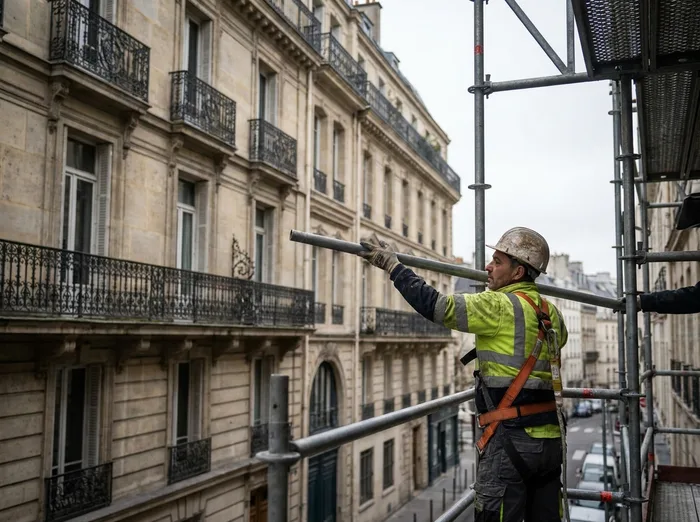
Let us look honestly at job demand right away. Scaffolder demand in Croatia is steady and growing, but it is smaller in total volume compared to massive Northern European markets like Germany, the Netherlands, or Austria. If your primary goal is finding the absolute highest hourly wage in Europe, markets like Germany or Belgium offer higher pay scales. However, Croatia offers major practical benefits for foreign scaffolders in 2026: employers almost always provide free accommodation, the visa process has fewer bureaucratic hurdles, and there is consistent demand in specific sectors like post-earthquake reconstruction, coastal resort development, and naval shipyards.
Where Scaffolding Jobs Are Located in Croatia
The type of scaffolding work you will do in Croatia depends on the geographic region where your employer operates. Each area has distinct industries, site conditions, and hiring patterns.
- Zagreb and the Banovina Region: The capital city of Zagreb and the nearby Banovina area (including Sisak and Petrinja) continue extensive structural rebuilding following major earthquakes. Commercial projects, residential apartment blocks, and public infrastructure in Zagreb require heavy system scaffolding throughout the year.
- Rijeka and Pula (Northern Adriatic Coast): Rijeka is home to industrial port zones and major shipyards like 3. Maj, while Pula has active maritime construction yards. Industrial scaffolding here involves suspended platforms, pipe racks, and heavy staging around ships and coastal industrial plants. Unlike residential construction, shipyard scaffolding runs continuously through all four seasons.
- Dalmatia and Istria (Coastal Tourism Zone): The coastal strip stretching from Istria down through Zadar, Split, and Dubrovnik experiences a unique construction cycle. Hotels, resorts, and private villas undergo massive renovations during the tourist off-season. Scaffolding work in these areas peaks between October and May. Outdoor scaffolding slows down significantly in July and August due to high summer heat and municipal restrictions on construction noise in tourist zones.
- Industrial Hubs (Sisak, Kutina, Osijek): Refineries, chemical processing plants, and manufacturing facilities in central and eastern Croatia hire scaffolders for scheduled maintenance shutdowns and plant expansions.
Pay, Working Hours, and Living Conditions
Understanding local pay structures helps you plan your finances accurately before accepting a contract.
In Croatia, salary offers are usually discussed in net monthly figures. This means the actual cash amount paid into your bank account after income tax, local city tax, and social security contributions have been deducted.
- Net Monthly Wage Ranges: A basic to intermediate scaffolder can expect to earn between 800 EUR and 1,100 EUR net per month for regular hours. Advanced scaffolders who can read drawings, assemble complex suspended structures, or lead small crews earn between 1,100 EUR and 1,400 EUR net per month.
- Accommodation Benefits: Almost all Croatian construction employers who hire non-EU workers provide free housing. This is usually shared accommodation in apartments or worker houses, with 2 to 4 workers per room, including utilities and internet. Free housing significantly increases your effective savings compared to countries where you must pay high market rent yourself.
- Food and Transport Allowances: Employers typically supply free daily transport between your accommodation and the job site. Many companies also provide one hot meal per working day or issue a monthly tax-free meal allowance between 100 EUR and 150 EUR.
- Working Hours and Overtime: Standard full-time work under Croatian labor law (Zakon o radu) is 40 hours per week. Overtime is common during peak building months. Overtime hours are paid at higher hourly rates and can add 150 EUR to 350 EUR extra to your monthly net pay.
Licences, Safety Regulations, and Skill Standards
Croatia enforces strict European Union safety guidelines on all elevated construction sites. Employers must ensure every worker meets health and safety criteria before setting foot on a scaffold frame.
- Trade Certification (Osposobljavanje za skelar): In Croatia, official recognition for scaffolders comes through a certificate of competence (Osposobljavanje za skelar). These certificates are issued by accredited adult education institutions (Ustanove za obrazovanje odraslih) under the oversight of the Ministry of Science and Education (Ministarstvo znanosti i obrazovanja).
- Recognizing Foreign Experience: You do not need to convert your home country trade certificates before arriving. Croatian companies value practical experience with major global systems like Layher Allround, Peri Up, or traditional tube-and-fitting systems. Once you arrive, your employer will register you for local occupational safety training.
- Mandatory Health Check (Liječnički pregled): Before you start work, Croatian law requires a medical examination specifically for working at height (Liječnički pregled za rad na visini). This includes vision tests, balance checks, blood work, and blood pressure screening paid for by your employer.
- Site Language: You do not need to speak fluent Croatian. Basic working English is sufficient on most international sites. Site supervisors or bilingual foremen translate instructions. Learning basic Croatian trade words like skela (scaffold), spojnica (coupler), cijevi (pipes), and zaštitni pojas (safety harness) will speed up your integration.
- Weather Factors: Working on coastal scaffolds requires attention to local weather. Coastal regions experience strong winds called the Bura. When wind speeds exceed official safety limits, work at height halts immediately for safety.
Work Permits and Visa Application Steps
To work legally in Croatia as a non-EU citizen, you must receive a combined stay and work permit called Dozvola za boravak i rad. You cannot apply for this permit on your own; a registered Croatian employer must apply on your behalf.
- Step 1: Labor Market Test (Test tržišta rada): The employer submits a request to the Croatian Employment Service (Hrvatski zavod za zapošljavanje - HZZ). HZZ checks if any local or EU jobseekers are available. Because scaffolding is often designated as a shortage occupation, approvals are usually granted without delay.
- Step 2: MUP Clearance: After HZZ approves, the file goes to the Ministry of the Interior (Ministarstvo unutarnjih poslova - MUP). MUP conducts police background checks and issues the official work permit approval.
- Step 3: Visa D Application: Once MUP issues your approval, you take the approval document to the Croatian embassy, consulate, or official VFS Global application center in your home country to apply for your long-term visa (Visa D).
- Step 4: Arrival and TRC Card: After arriving in Croatia, you visit the local police station with your employer to register your residential address and collect your physical Temporary Residence Card.
- Processing Time: The entire process from job offer to visa issuance typically takes between 8 and 14 weeks.
Reality Check: Common Misconceptions
Here are the top things foreign workers misunderstand about scaffolding jobs in Croatia:
- Myth: You can enter on a tourist visa and start working.
Reality: Working on a tourist visa or Schengen visit visa is illegal. You must hold an official Dozvola za boravak i rad linked to your employer before starting work. - Myth: Take-home pay is the same as in Germany or Sweden.
Reality: Pay rates in Croatia are lower than in Northern Europe, but expenses are also lower because free employer accommodation and site transport are standard. - Myth: Outdoor scaffolding work continues at full speed all summer on the coast.
Reality: Heavy outdoor construction stops or slows down in tourist towns during July and August due to summer heat and local noise bans. - Myth: You must pay an agency to get a Croatian work permit.
Reality: Croatian employers pay all official state work permit application fees. Workers do not pay for job placement on Workuro.
Put Your Details into Your Workuro Profile to Get Found
Croatian employers and licensed recruitment agencies search Workuro directly to find experienced foreign scaffolders for upcoming projects. Completing every field on your profile helps employers identify you quickly and start your visa paperwork.
Make sure to include these specific details in your Workuro profile:
- Scaffolding Systems You Know: Name the specific systems you have built, such as Layher Allround, Peri Up, Cuplock, Ringlock, or traditional tube and coupler.
- Certifications and Safety Passes: List any trade diplomas, OSHA cards, CISRS certificates, or national height safety cards you hold from your home country.
- Preferred Regions and Environments: State whether you prefer industrial shipyard work (Rijeka, Pula), year-round urban building (Zagreb), or seasonal resort construction (Split, Istria).
- Language Abilities: State your English level accurately and mention any other languages you speak, including basic Croatian or Italian.
- Height Experience and Physical Readiness: Detail your experience working on high-rise structures, suspended scaffolds, or complex industrial rigging.
Keep your profile updated, add your contact details, and let Croatian employers connect with you directly on Workuro.
Pronto para ser encontrado?
Crie seu perfil em 2 minutos. Grátis, sem cartão de crédito.
Continue lendo