Seasonal Work Permits in Europe: Agriculture, Tourism, and How They Work (2026)
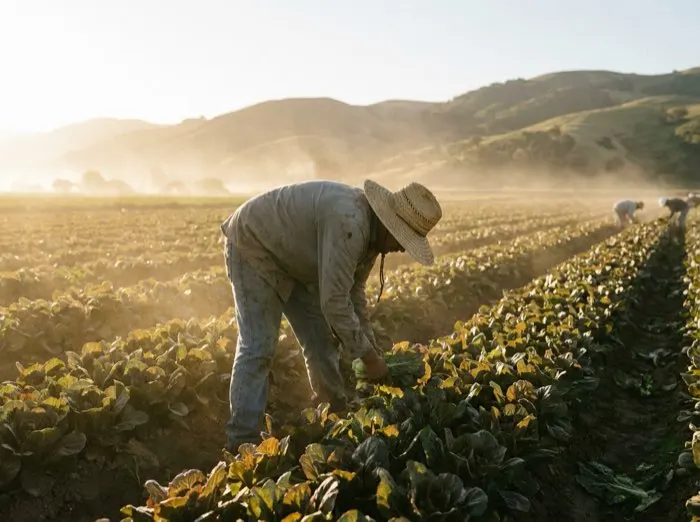
Every year, farms, hotels, campsites, and food processors across Europe hire large numbers of seasonal workers from outside the EU. Seasonal work is one of the most accessible legal routes into the European labour market: the qualification requirements are low, and there is a dedicated EU legal framework - the Seasonal Workers Directive - that sets minimum standards for how non-EU seasonal workers must be treated.
What counts as seasonal work
Seasonal work is employment tied to a time of year when demand peaks. The classic sectors are:
- Agriculture and horticulture: fruit and vegetable picking, planting, greenhouse work, grape harvest, packing.
- Tourism and hospitality: hotels, restaurants, campsites, and resorts during summer or ski season.
- Food processing: seasonal peaks in fish, meat, and vegetable processing plants.
Each EU country defines its own list of sectors where seasonal permits apply, so a job that counts as seasonal in one country may need a regular work permit in another.
How seasonal permits work
The general pattern across the EU looks like this:
- The employer initiates. You need a job offer or contract before you apply. The employer often has to show the job was offered locally first.
- The stay is limited. Under the EU directive, seasonal stays are capped somewhere between five and nine months in a 12-month period, depending on the country. After that you must leave, though many workers return the next season.
- Short stays may run on a visa, longer stays on a permit. For work up to 90 days, some countries use a short-stay visa with a work authorisation; longer seasonal work requires a seasonal worker permit or long-stay visa.
- Housing must be arranged. The directive requires that seasonal workers have adequate accommodation, often organised or verified by the employer. If rent is deducted from your pay, it must not be excessive.
Rules vary significantly by country - Spain, Italy, Poland, France, and others each run their own quota systems, deadlines, and procedures. Always check the official immigration site of the country in question. Our overview of EU work permits and visas explained is a good starting point.
Your rights as a seasonal worker
Seasonal workers are entitled to equal treatment with local workers on core points: minimum wage, working hours, health and safety, and social security in most respects. You should always receive a written contract before you travel, stating your pay, hours, accommodation arrangements, and the duration of work. Do not travel on the basis of a verbal promise.
The scam warning you should take seriously
Seasonal work attracts more recruitment fraud than almost any other sector. The rules of thumb:
- Nobody legitimate charges workers for a job offer. If someone asks for a "placement fee", "visa guarantee fee", or "registration fee" to give you a job, it is a scam or illegal recruitment.
- A real employer signs a real contract with a company name you can verify in a public business register.
- Never surrender your passport to an employer or middleman.
Can seasonal work lead to something longer?
Be honest with yourself about this: a seasonal permit is designed to be temporary and does not automatically convert into permanent residence. However, seasonal work is a genuine way to build a track record. Workers who prove reliable are often invited back year after year, and some employers later sponsor strong workers for regular, longer-term permits - see how EU employer sponsorship works.
Practical tips before you sign
Ask the employer three questions in writing before you commit: what is the gross hourly wage and how many hours per week are guaranteed; what does the accommodation cost and what does it include; and who pays for travel. Compare the answers against the country's minimum wage, and keep every message. Reliable employers answer these questions without hesitation - vague answers now usually mean problems later. It is also worth learning a few phrases of the local language before you arrive; even a small effort makes supervisors more likely to keep you on the list for next season and recommend you to other farms or hotels.
This article is general information, not legal advice. Seasonal work rules, quotas, and permitted durations vary by country and change frequently. Check the official immigration authority of the country where you plan to work, or consult eures.europa.eu and europa.eu.
Be visible before the season starts
Employers plan their seasonal hiring months in advance, and many now search online for workers directly instead of paying agencies. Workuro is a free registry where you create one profile and European employers who hire from abroad contact you themselves - no agency, no fees, no credit card. Take five minutes to create your free profile before the next hiring season.
Ready to be found?
Create your profile in 2 minutes. Free, no credit card.
Keep reading