Working in Slovenia as a Non-EU Foreigner: Permits, Jobs and Pay (2026)
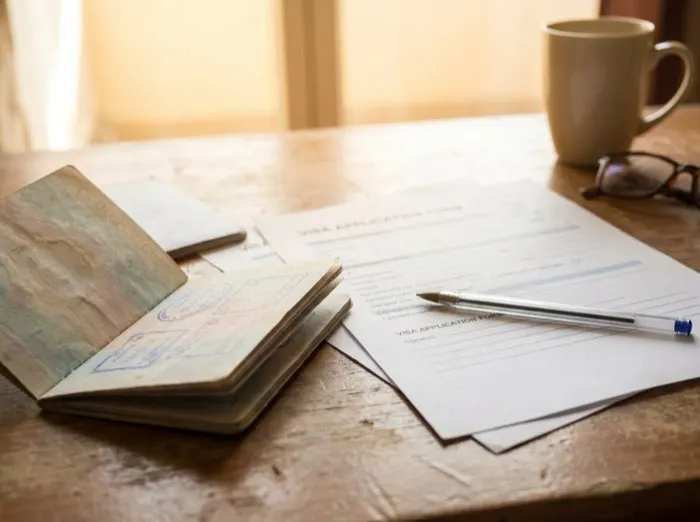
Slovenia is small, orderly and industrious - a two-million-person country wedged between the Alps and the Adriatic, with strong manufacturing and logistics sectors and one of the higher wage floors in Central Europe. It has long employed workers from the Western Balkans, and increasingly hires from further afield too.
The route: the single permit (enotno dovoljenje)
Slovenia uses the EU single-permit model: one card, the enotno dovoljenje za prebivanje in delo, covers both residence and work. The pieces:
- The employer's application triggers a labour market check by the Employment Service of Slovenia (ZRSZ): if suitable unemployed candidates are registered locally, consent can be refused. Shortage occupations pass routinely.
- The application is lodged at the administrative unit (upravna enota) in Slovenia or via the Slovenian embassy in your country.
- The first permit is generally valid up to a year and tied to the employer; after two years of continuous employment the labour market becomes more open to you.
Two useful specifics: Slovenia has bilateral employment agreements (notably with Bosnia and Herzegovina and Serbia) that create structured recruitment channels, and it issues the EU Blue Card for degree-holding specialists. Processing backlogs at administrative units have been a known pain point - plan for several months, not weeks.
Who is hiring
- Manufacturing - metal processing, automotive components, electrical equipment and pharmaceuticals (a surprisingly large sector) around Ljubljana, Celje, Novo Mesto and Maribor.
- Construction - persistent shortages across all trades.
- Transport and logistics - the port of Koper is one of the Adriatic's busiest, and Slovenian haulage firms recruit drivers constantly.
- Healthcare and care - nurses and carers, with language and recognition requirements.
- Hospitality - Ljubljana, Bled and the coast, partly seasonal.
Pay and cost of living
Slovenia's minimum wage is comparatively high for the region - recently in the neighbourhood of €1,250-1,350 gross per month; check the current figure. Typical hedged ranges: production and warehouse roles around €1,300-1,700 gross, skilled trades and drivers €1,500-2,000+, experienced engineers and IT specialists €2,500-4,000+. Collective agreements add supplements for shifts, transport and meals - Slovenian payslips itemise these, so read yours.
Living costs are moderate: Ljubljana rents have climbed and the coast is pricey in summer, but Maribor, Celje and industrial towns remain affordable. Overall the wage-to-cost ratio is one of the better ones between Austria and the Balkans.
Keep it legitimate
The single permit is employer-led from start to finish - the general pattern described in how EU employer sponsorship works. Nobody can sell you a Slovenian permit, and no honest employer or agency charges a worker for a job offer.
Timelines, documents and the border-region factor
Plan for a slower clock than the law promises: single-permit files pass through the administrative unit, the employment service and, for entry, the embassy, and workers commonly report three to six months from signed offer to arrival, with Ljubljana's offices the most congested. The file itself is standard - passport, criminal record certificate with apostille and certified Slovenian translation, signed contract, qualification evidence for regulated trades, and the employer's documentation. After arrival you register your address within days and receive the biometric card. Renew early; your right to keep working during a pending renewal depends on filing on time.
A Slovenian specific worth understanding is geography: much of the country lives within an hour of Austria or Italy, and experienced workers - especially in trades, transport and healthcare - often treat Slovenia as both a destination and a stepping stone, since after two years the domestic labour market opens up and after five years EU long-term residence becomes available, with a basic Slovene requirement. Slovene is a must for healthcare and customer-facing roles from day one; in factories, English, Croatian or Serbian often suffices initially, and municipalities offer subsidised language courses that are worth taking seriously. Keep an eye on your payslip too: Slovenian collective agreements entitle you to meal allowance, commuting reimbursement and an annual holiday bonus (regres), and these are legal rights, not favours - if any of them are missing, the labour inspectorate and unions take such complaints seriously, including from foreign workers.
This is general information, not legal advice. Verify procedures with the Slovenian government portal (gov.si) and the Employment Service of Slovenia before acting.
Slovenian factories and hauliers recruit abroad year-round. Create your free profile on Workuro - free, no credit card - and employers contact you directly.
Ready to be found?
Create your profile in 2 minutes. Free, no credit card.
Keep reading