Farm and Agricultural Worker Jobs in Italy for Foreign Workers (2026)
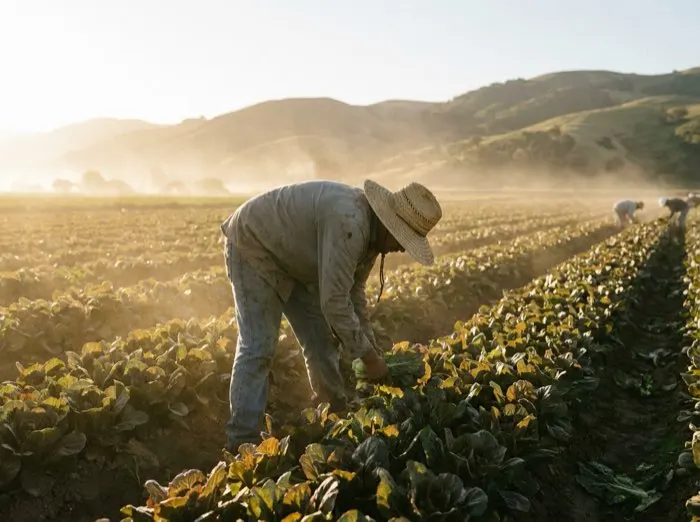
Italy relies heavily on foreign agricultural workers to power its massive food production sector. Every year, tens of thousands of farm hands, machinery operators, and fruit pickers travel to Italy from outside the European Union. If you come from South Asia, Africa, Latin America, the Balkans, or Central Asia, you can work legally in Italian fields and orchards through clear visa routes.
However, getting a legal job requires understanding how Italian farm hiring works. Recruitment follows strict seasonal cycles, regional demands, and government entry quotas. This guide breaks down the exact regions that hire foreign workers, the certificates that boost your wages, actual pay rates, and the legal permit steps you must follow for 2026.
Major Agricultural Regions and Harvest Cycles
Agricultural demand in Italy varies greatly depending on the region and the crop. Italian farms rarely hire year-round for basic picking. Instead, recruitment happens in seasonal waves across specific agricultural provinces.
- Trentino-Alto Adige (Bolzano and Trento): Famous for apple orchards and mountain vineyards. Peak hiring runs from late August through November. Employers in this northern region heavily recruit workers for apple picking and grape harvesting.
- Puglia (Foggia and Cerignola): The center of Italian tomato, olive, and wheat production. Tomato harvesting runs from July to September, while olive picking runs from October through December. Foggia is one of the largest agricultural employers for foreign labor in southern Italy.
- Emilia-Romagna (Cesena, Ravenna, and Forli): Italy's primary region for stone fruit, pears, and greenhouse crops. Soft fruit picking begins in May, while peach, nectarine, and pear harvesting runs through September.
- Piedmont (Cuneo and Alba): Known for hazelnut groves and world-class wine grapes. Hazelnut collection begins in late August, followed immediately by the wine grape harvest (vendemmia) through October.
- Sicily (Ragusa, Pachino, and Syracuse): A major hub for greenhouse vegetables, tomatoes, and citrus fruits. Unlike the north, Sicily has a strong winter harvest season running from November through May for lemons, oranges, and tunnel-grown vegetables.
- Veneto (Verona and Treviso): Focuses on wine grapes, vegetables, and fruit orchards. Spring work starts with asparagus and soft fruits in April, moving into tree fruits and grape harvests in autumn.
Pay Rates and Collective Agreements in Italy
Agricultural pay in Italy is regulated by national collective bargaining agreements called the CCNL Operai Agricoli e Florovivaisti (National Collective Bargaining Agreement for Agricultural Workers and Florists). This agreement establishes base wages, maximum working hours, and worker protections across all provinces.
While national frameworks exist, local wage agreements (called Contratto Provinciale di Lavoro or CPL) set the exact hourly rates in each province. Wages in northern provinces like Bolzano or Verona tend to be slightly higher than in southern provinces like Foggia or Ragusa due to local adjustments.
- Net monthly income: A full-time farm worker in Italy typically earns between €1,100 and €1,500 net per month for standard hours (around 39 hours per week).
- Hourly net pay: General field hands and pickers earn roughly €7.00 to €9.00 net per hour. Machine operators and specialized staff earn between €9.00 and €12.00 net per hour.
- Overtime and rest days: Work beyond standard weekly hours or work performed on Sundays carries a pay premium ranging from 25% to 50% above the standard hourly rate, depending on the provincial contract.
- Accommodation and food: Under legal seasonal work rules, employers must help arrange suitable housing for foreign workers. Some employers provide free accommodation on the farm, while others deduct a small, regulated amount from monthly earnings to cover housing costs.
Certifications, Skills, and Language Requirements
You do not need a university degree to work on Italian farms, but having specific licenses makes you far more attractive to employers and earns you higher pay categories under the collective agreement.
- Tractor Driving License (Patentino Trattore): This is the most valuable certificate for agricultural workers in Italy. It is an official safety qualification governed by the Italian State-Regions Agreement (Accordo Stato-Regioni). It proves you are trained to operate wheeled and tracked agricultural tractors safely. If you already operate farm machinery in your home country, obtaining or converting this certificate in Italy puts you in high demand.
- Pesticide Operator License (Patentino Fitosanitario): Issued by regional agricultural authorities (Assessorato Agricoltura), this permit allows workers to purchase, mix, and apply crop protection chemicals and sprays safely. Farms actively look for workers who hold this card.
- Pruning and Grafting Skills: Manual skills in tree pruning (olive trees, fruit trees, or grapevines) command higher hourly rates than general field picking. Mentioning specific pruning experience on your profile gives you a clear advantage during winter hiring cycles.
- Italian Language Level: For basic harvesting jobs, spoken Italian at an A1 level (basic phrases) is usually acceptable. However, for operating machinery, managing farm supplies, or driving road equipment, employers require functional spoken Italian (A2 to B1 level) to ensure field safety and understand work orders.
The Visa Process: Decreto Flussi and Seasonal Work Permits
Foreign workers from outside the EU must enter Italy legally through the government quota system known as the Decreto Flussi (Flow Decree). You cannot enter Italy on a tourist visa and start working legally on a farm.
- Step 1: The Decreto Flussi Quota Application: Every year, the Italian government publishes a decree setting how many non-EU workers can enter Italy for work. A specific portion of this quota is reserved exclusively for seasonal agricultural workers.
- Step 2: Employer Application for Clearance (Nulla Osta): Your employer in Italy must submit an online request for a work clearance called a Nulla Osta to the local immigration office (Sportello Unico per l'Immigrazione or SUI) in their province.
- Step 3: Visa Issuance: Once the SUI approves the Nulla Osta, the clearance is sent electronically to the Italian embassy or consulate in your home country. You then submit your passport to receive a seasonal work visa (Visto per lavoro stagionale).
- Step 4: Arrival and Residency Permit: After arriving in Italy, you visit the local Sportello Unico with your employer within eight days to sign the residence contract (Contratto di Soggiorno) and apply for your seasonal residence permit (Permesso di Soggiorno per Lavoro Stagionale).
- Permit Validity and Conversion: Seasonal permits are valid for up to nine months. If you return to Italy for seasonal work for two consecutive years, you gain priority for future years. In addition, Italian law allows workers who complete seasonal assignments to convert their seasonal permit into a multi-year or non-seasonal work permit if an employer offers a longer contract.
Reality Check: Common Mistakes Foreign Workers Make
- Working without an official contract: Unofficial work (known in Italy as lavoro in nero) exposes workers to illegal labor brokers (caporalato) who take part of your earnings and offer zero safety protections. Always insist on a formal Contratto di Soggiorno.
- Applying after the harvest has started: Hiring processes and Decreto Flussi applications must begin months before crops mature. If you look for seasonal work in July when the tomatoes are ripe, you are already too late for that season's legal permits.
- Assuming all Italian regions offer the same jobs: Northern mountain regions focus on fruit trees and wine, while southern regions focus on tomatoes, field vegetables, and olives. Target the specific regions that match your background.
- Expecting employers to pay international travel: Under Italian regulations, employers assist with local accommodation arrangements, but workers are usually responsible for paying their own airfare or international transit to Italy.
Put Your Specifics into Your Workuro Profile
Italian agricultural employers search Workuro to find reliable workers before the annual Decreto Flussi quotas open. When building your free profile, detailed information makes you visible to farms looking for your exact skills.
Make sure to clearly list:
- Target Regions: Name the exact Italian regions or provinces where you want to work (such as Trentino-Alto Adige, Puglia, Emilia-Romagna, or Piedmont).
- Machinery Experience: Indicate if you can drive tractors or operate harvesting equipment, and mention if you hold an Italian Patentino trattore or an equivalent license from your home country.
- Crop Skills: Specify the crops you have worked with before, such as apples, wine grapes, tomatoes, citrus, or greenhouse vegetables. Mention special skills like winter pruning or chemical spraying.
- Languages: Clearly state your current level of spoken Italian alongside English or other languages.
By filling out these exact details on Workuro, European farm owners and recruiters can match your experience to their seasonal needs and contact you directly to initiate the entry process.
Pronto para ser encontrado?
Crie seu perfil em 2 minutos. Grátis, sem cartão de crédito.
Continue lendo