Winter Season Jobs in the Alps for Foreign Workers (2026)
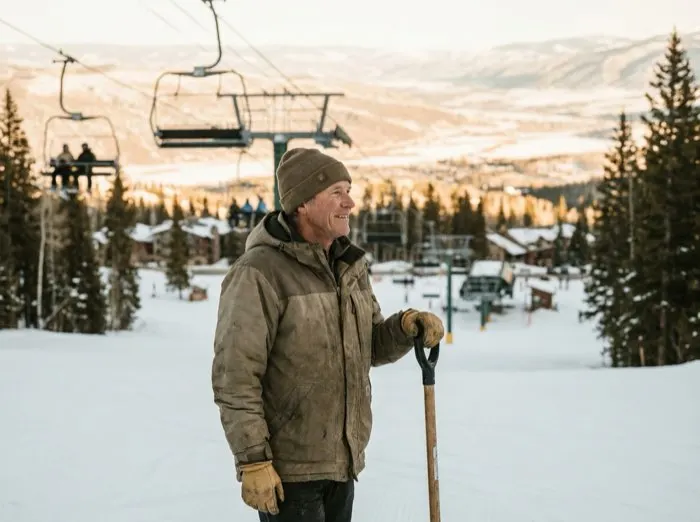
Every December, the Alps absorb one of the largest seasonal workforces in Europe. Austria, France, Switzerland and Italy together operate hundreds of ski resorts, and each one is a small town that must be staffed from scratch for roughly December to April: kitchens, housekeeping, bars, lift stations, rental shops, hotels. A large share of that workforce comes from abroad, and it always has.
Which country, which rules
- Austria - the biggest volume employer of foreign seasonal staff. EU citizens work freely; non-EU workers can be hired under annual seasonal quotas for tourism. German helps but international teams are normal.
- France - huge resorts (Les Trois Vallées, Paradiski, Tignes-Val d'Isère) with strong demand for hospitality staff. EU citizens work freely; non-EU hiring is harder and mostly limited to specific employer-sponsored cases. Many UK tour operators that once staffed French chalets now hire EU-passport holders instead.
- Switzerland - the best pay in the Alps by far, but not in the EU: EU/EFTA citizens have easy access, while non-EU workers face strict quotas that rarely cover seasonal hospitality. Realistic mainly for EU passport holders.
- Italy - South Tyrol and the Dolomites run a strong winter season; Italy issues seasonal work permits for non-EU workers under its annual decreto flussi quota system, and EU citizens work freely.
The jobs, honestly described
Resort work splits into guest-facing and back-of-house. Kitchen roles (cook, kitchen help, dishwasher) and housekeeping absorb the most foreign workers, because language demands are lower. Bar and service staff need German, French or Italian depending on the country, plus English. Lift operations and ski schools mostly require local-language skills or certifications. Then there is the chalet segment - cooking and hosting in catered chalets - which prizes cooking-plus-people skills. Expect six-day weeks in peak periods, split shifts, and a February holiday rush that tests everyone. The reward: you live in the mountains, ski passes are often free or discounted, and the season builds friendships and references fast.
Pay with room and board - the real math
Headline wages look modest: as a rough guide, seasonal hospitality staff in Austria typically earn around 1,800 to 2,400 euros gross per month, France in a similar band under its hospitality agreements, Italy somewhat less, Switzerland notably more - often the equivalent of 3,500 to 4,500 euros gross. The decisive variable is accommodation and meals. Most Alpine employers house and feed seasonal staff for a small deduction, and in a resort village there is little else to spend on. A worker who parties moderately can bank a real share of a season's pay; the same wage in a city would evaporate. Always get the housing arrangement, and its cost, in writing before accepting.
Timing and how hiring works
Alpine winter hiring peaks between August and October for a late-November or December start. Big hotel groups and resort operators recruit first; small hotels and mountain restaurants fill gaps into November, and mid-season replacements are hired in January when some recruits quit after the Christmas rush. Applications need little: a clear CV, honest language levels, any hospitality experience, and evidence you understand what a season involves. Returning workers get rehired readily - one good season becomes a standing invitation. For how permits work if you are not an EU citizen, start with EU work permits and visas explained.
Standard warning: no legitimate resort, hotel or agency charges workers for a seasonal job offer. Paid "ski season packages" that promise jobs are selling you something employers give away free.
Packing and preparation
Small practicalities decide how good a season feels. Arrive with proper winter clothing and footwear - resort shops price for tourists. Bring your documents ready: passport or ID, European Health Insurance Card if you are an EU citizen, tax and social security numbers where you have them, and copies of references. Clarify before travelling how you will be paid (bank account requirements differ) and when the first wage lands, then carry enough to live for the first month. If skiing matters to you, ask about the staff ski pass in the interview - policies range from free passes to nothing, and for many workers that difference is worth more than a hundred euros of monthly wage.
Legal note
This article is general information, not legal advice. Seasonal quotas and permit rules differ by country and change yearly - check the immigration authority of the specific country (for example migration.gv.at for Austria) or eures.europa.eu before making plans.
Resorts start reading candidate profiles in late summer. Create your free profile on Workuro - free, no credit card - and let Alpine employers contact you directly for the coming season.
Ești gata să fii găsit?
Creează-ți profilul în 2 minute. Gratuit, fără card bancar.
Continuă lectura

