Working in Italy as a Non-EU Foreigner: Permits, Jobs and Pay (2026)

Italy admits most of its non-EU workers through a mechanism unlike anywhere else in Europe: an annual quota decree called the decreto flussi. Understanding its rhythm - and its bottlenecks - is the difference between a real plan and years of waiting.
The decreto flussi: quotas and click days
Each year (now planned in multi-year cycles - the 2026-2028 planning foresees roughly half a million entries in total), the government sets quotas for non-seasonal work, seasonal work and self-employment, split across nationalities and sectors. The process:
- Your prospective employer in Italy applies online for a nulla osta (authorisation) on designated "click days" - demand massively exceeds quota, so applications are submitted the second windows open.
- If the nulla osta is granted, you apply for a work visa at the Italian consulate in your country.
- After arrival you sign the residence contract and apply for the permesso di soggiorno per lavoro subordinato (residence permit for employment).
Outside the quotas, important exceptions exist: highly qualified workers can use the EU Blue Card (no quota), and intra-company transfers, researchers and a few other categories bypass the flussi entirely. Seasonal agricultural and tourism workers have their own quota lines, often with preferences for countries that have migration agreements with Italy.
Sectors that hire
- Agriculture - the largest seasonal employer: harvests, greenhouses and vineyards across the south and north alike.
- Tourism and hospitality - hotels and restaurants, strongly seasonal on the coasts and in the Alps.
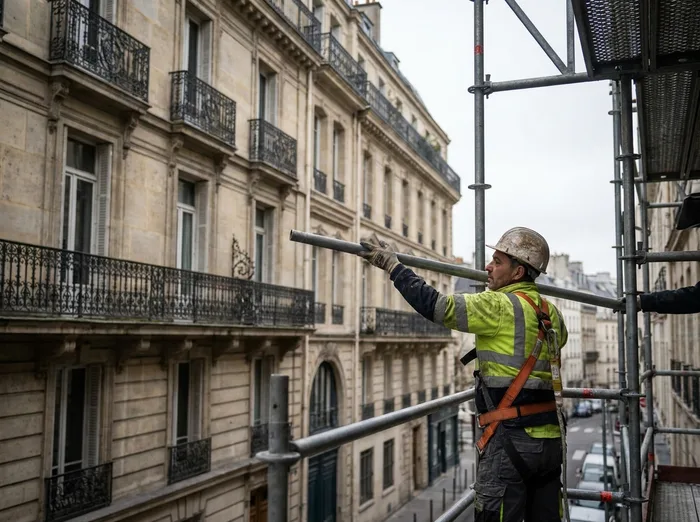
- Construction - renovation-driven demand for trades.
- Care and domestic work - Italy's ageing population sustains huge demand for badanti (carers); dedicated quota lines often exist.
- Manufacturing and transport - factories in the north (Lombardy, Veneto, Emilia-Romagna) and truck drivers nationwide.
Pay and cost of living
Italy has no statutory minimum wage; pay floors come from sector collective agreements (CCNL). Hedged 2026 estimates: agricultural and care roles often pay roughly €1,000-1,400 gross per month, construction and factory work €1,300-1,800, and skilled or Blue Card roles from about €2,200 upward. Watch out: informal underpayment exists in agriculture - insist on a written contract matching the CCNL.
Costs vary as much as wages: Milan is expensive (rents rival other Western capitals), Rome somewhat less, while southern cities and rural areas are genuinely cheap. A northern factory wage stretches thin in Milan but comfortably in a smaller Lombard town.
Hard-earned advice
The flussi system's oversubscription breeds fraud: fake job offers sold for thousands of euros, "guaranteed" nulla osta promises, and applications filed with no real job behind them. Italian authorities have prosecuted such rings. No legitimate employer charges a worker for an offer, and nobody can guarantee a quota slot. For context on how this compares elsewhere, see EU work permits and visas explained.
After the visa: contratto di soggiorno and staying in status
Winning a quota slot is only half the process. Within eight days of arriving you and your employer sign the contratto di soggiorno (residence contract) at the local immigration one-stop shop (Sportello Unico), which also confirms your accommodation; only then do you apply for the permesso di soggiorno via a kit posted at Poste Italiane, followed by fingerprints at the questura. Permits arrive slowly - workers often live legally for months on the postal receipt, which is normal, but keep every stamped paper. Renewals depend on continued employment and declared income, so insist that your employer actually registers your contract and pays contributions; unregistered "grey" arrangements are common in agriculture and will wreck both your renewal and your pension record.
Language and geography shape everything: little English is spoken outside tourism and Milanese offices, so functional Italian is close to mandatory - free courses run through CPIA adult-education centres in every province. After five years of legal residence and sufficient income you can apply for the EU long-term residence permit, which finally detaches you from quotas and employers; many workers treat their first flussi job as the entry ticket to that milestone.
This is general information, not legal advice. Check the current decree, quotas and procedures with the Italian Ministry of the Interior (interno.gov.it) and your local Italian consulate.
Real Italian employers do plan flussi hires months ahead. Create your free profile on Workuro - free, no credit card - so employers can find and contact you directly.
Ești gata să fii găsit?
Creează-ți profilul în 2 minute. Gratuit, fără card bancar.
Continuă lectura