Tailor and Sewing Machine Operator Jobs in Lithuania (2026)
 Lithuania
Sewing and Textile Jobs in Lithuania: The Current Landscape
If you are a skilled sewing machine operator or tailor from outside the European Union, Lithuania is one of the most active textile manufacturing destinations in Northern Europe. The country has a long tradition of garment production, industrial weaving, and home textile manufacturing. Lithuanian factories produce clothes, workwear, and technical fabrics for major global brands, which creates a continuous need for experienced stitchers.
Demand in Lithuania is concentrated heavily on industrial sewing machine operators rather than custom bespoke tailors. Factory lines require workers who can operate industrial lockstitch, overlock, and coverstitch machines quickly and accurately. Bespoke tailoring shops exist in larger cities, but they are small and rarely hire foreign workers from outside the EU. If your experience is in mass production, garment assembly, or heavy fabric stitching, Lithuania offers a steady stream of job opportunities.
The central government agency handling labor market regulation is the Employment Services, known locally as Užimtumo tarnyba. Each year, Užimtumo tarnyba updates the official list of shortage occupations (trūkstamų profesijų sąrašas). Industrial sewing machine operators consistently appear on this list. When an occupation is listed as a shortage trade, Lithuanian employers can hire foreign workers through a simplified visa procedure without needing to prove that no Lithuanian citizen was available for the job.
Visas, Permits, and Legal Requirements for Non-EU Workers
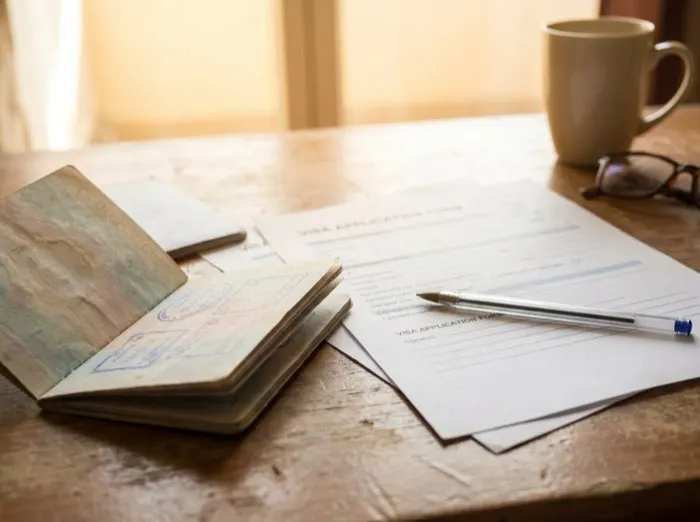
To work legally in Lithuania as a foreign garment worker, you need a valid work permit or a position approved under the shortage occupation quota, followed by a national visa or residence permit. You cannot work on a standard tourist visa.
The legal process takes place through the Lithuanian Migration Department (Migracijos departamentas) using their online portal called MIGRIS. Your future employer in Lithuania starts the process by applying for a work permit or issuing a mediation letter through MIGRIS. Here is how the legal pathway generally works:
- Shortage Occupation Route: If sewing machine operators are within the annual quota on the shortage list, your employer submits your work contract details directly to MIGRIS. This path avoids extra labor market testing and saves several weeks of processing time.
- Work Permit Route: If the quota for the shortage list is filled for the year, your employer must apply to Užimtumo tarnyba for an official work permit (leidimas dirbti). The agency checks local employment registers for two weeks before approving the permit.
- National Visa D vs Temporary Residence Permit: Most foreign workers enter Lithuania on a National Visa D, which is valid for up to one year. If your contract is longer, your employer will help you apply for a Temporary Residence Permit (Leidimas laikinai gyventi), which is usually granted for two years and can be renewed.
- Qualification Verification: You do not need a university degree, but you must prove your vocational skill. Employers require official work experience letters stamped by previous employers, a vocational certificate in textile production, or a practical test on site during your probation period.
Processing times for a National Visa D or Temporary Residence Permit typically range from four to eight weeks once all documents are submitted to MIGRIS or a VFS Global visa center in your home region.
Regional Textile Hubs: Where the Jobs Are Located
Garment and textile factories in Lithuania are spread across several specific manufacturing hubs. Knowing where these industrial zones are located helps you understand where you might live and work.
- Kaunas and Kaunas District: Kaunas is the second largest city in Lithuania and the historic capital of the country textile industry. The city and surrounding industrial parks host large apparel factories, light garment lines, and sportswear manufacturers. Kaunas offers the highest concentration of open positions for industrial operators.
- Utena: Located in the northeast, Utena is famous throughout the Baltic region for knitwear and jersey fabric manufacturing. Factories here specialize in underwear, thermal clothing, and casual wear. Utena has a constant need for operators skilled in handling elastic and thin fabrics.
- Šiauliai and Panevėžys: These northern cities specialize in heavy workwear, protective gear, and technical textiles. Factories in Šiauliai frequently stitch fire-retardant suits, outdoor gear, and medical textiles. Machines used here require experience with thicker threads and heavy materials.
- Alytus and Marijampolė: Located in southern Lithuania, these towns house medium-sized garment operations producing home textiles, curtains, and specialized outer garments. Employers in these areas frequently offer subsidized company housing to attract foreign staff.
Pay Rates, Working Hours, and Seasonal Production Cycles
Earnings in the Lithuanian garment industry depend on whether you work on a fixed hourly rate or a piece-rate system (where pay is calculated based on the number of completed garments or operations).
The minimum gross monthly wage in Lithuania is regulated by law, but qualified garment workers earn above the minimum rate. A typical foreign sewing machine operator earns between €750 and €1,100 net per month (take-home pay after taxes and social security contributions, which are paid to the state insurance body Sodra). Top-tier operators working under a piece-rate system in high-volume factories can earn up to €1,200 net during peak months.
Standard working hours in Lithuania are 40 hours per week, structured as five 8-hour shifts from Monday to Friday. Overtime is regulated by the Lithuanian Labor Code and must be paid at a higher rate (at least 1.5 times your standard wage), though overtime availability varies by factory.
The hiring cycle in the Lithuanian garment industry follows two major seasonal spikes:
- Spring Production Peak (February to April): Factories recruit heavily to produce autumn and winter collections for Western European brands.
- Autumn Production Peak (August to October): Factories increase headcount to prepare spring and summer garment runs.
- Year-Round Production: Factories that make medical textiles, military uniforms, and industrial workwear do not depend on fashion seasons. They hire continuously throughout the year.
Language Requirements and Daily Work Environment
You do not need to speak fluent Lithuanian to get hired as a sewing machine operator, but language skills affect how quickly you adapt to the factory floor.
In most Lithuanian garment factories, the primary working language among line supervisors is Lithuanian or Russian. Many shop floor managers speak basic English, but daily production instructions, measurement charts, and safety notices are written in Lithuanian. Factories that recruit foreign workers often place newcomers on lines managed by English-speaking or Russian-speaking supervisors.
To succeed on the factory floor, you should learn basic Lithuanian terms for equipment and assembly early on. Knowing terms like siūlė (seam), adata (needle), siūlas (thread), and kirpimas (cutting) makes daily work much smoother.
Reality Check: What Workers Get Wrong About Lithuania
- Myth: Bespoke tailors earn more than machine operators. Custom tailoring shops in Lithuania are small businesses that rarely sponsor work visas. Large industrial factories are the main employers willing and legally able to sponsor non-EU staff.
- Myth: You can change employers as soon as you arrive. Your initial visa or residence permit is tied to the specific employer who sponsored your application through MIGRIS. Changing jobs requires a formal application to the Migration Department to approve the new contract before you start.
- Myth: Housing is always free. Some factories provide free or discounted accommodation in shared apartments or dormitories, but many deduct housing costs directly from your monthly wage. Always check your job contract to see if housing is included or deducted.
- Myth: Piece-rate work automatically means higher pay. Piece-rate systems reward speed and precision. If you are slow or make mistakes that require reworking, your monthly earnings will remain closer to the minimum legal floor until your speed improves.
Build Your Workuro Profile for Lithuanian Employers
Lithuanian textile factories search Workuro when they need qualified stitchers and machine operators to fill open positions. To make sure your profile appears in search results from employers in Kaunas, Utena, Šiauliai, and other industrial centers, you should fill out your details completely.
In your Workuro profile, make sure to list:
- Specific Machinery Experience: Name the exact machines you can operate (such as 1-needle lockstitch, 4-thread overlock, coverstitch, or automatic welt pocket machines).
- Fabric Expertise: State clearly whether you work best with thin knits, heavy denim, woven fabrics, or technical materials.
- Language Abilities: State your actual level in English, Russian, or any basic Lithuanian you know.
- Regional Readiness: Name the specific Lithuanian regions (such as Kaunas or Utena) where you are ready to relocate.
- Certificates: Upload photos or scans of your vocational certificates and official work experience records.
By keeping your Workuro profile accurate and updated, you make it easy for verified Lithuanian employers to review your skills and contact you directly for job opportunities.
Pronto para ser encontrado?
Crie seu perfil em 2 minutos. Grátis, sem cartão de crédito.
Continue lendo