Working in Croatia from Togo: Visa, Permit, Costs (2026)

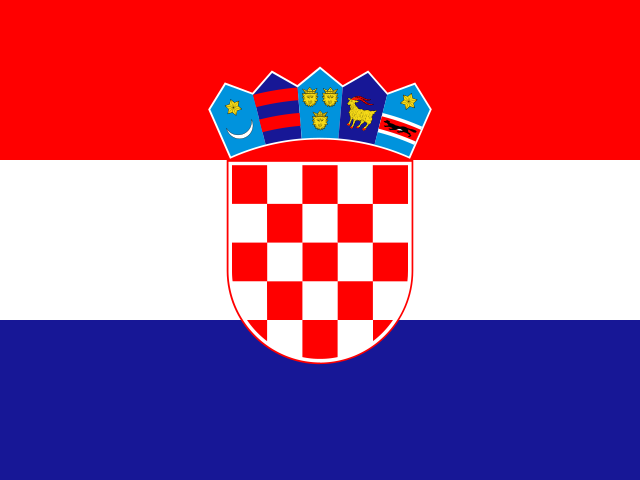 Croatia
Is Croatia a realistic option from Togo?
Croatia does need foreign labour in construction, tourism and transport, but very few Togolese nationals currently use this route. There is no labour agreement between Togo and Croatia, no francophone-specific scheme, and French is not a working language in Croatia. That combination makes the process slower and more uncertain than it would be for, say, France or Belgium, which already have Togolese communities and French-language workplaces.
If your goal is simply to work legally somewhere in Europe as soon as possible, it is worth comparing Croatia against France, which shares your language and has existing recruitment pipelines in construction and hospitality. Croatia is not out of reach, but go in knowing you are one of a small number of applicants from Togo each year.
The permit: dozvola za boravak i rad
Croatia's route for non-EU nationals is a single combined document, the residence and work permit (dozvola za boravak i rad), issued by the Ministry of the Interior. Since Croatia scrapped its fixed annual quota in 2021, permits are granted against a shortage occupation list that is renewed each year and regularly includes construction workers, cooks, waiting staff, welders and drivers.
- Employer applies first. You cannot start this process alone from Togo; a Croatian company has to file for you.
- Labour market test is skipped for shortage occupations, required for others.
- Visa step: once your permit is approved, you apply for a type D visa to travel and collect it, if your passport requires one.
Three trades where Croatian employers are actually hiring right now: construction workers and carpenters for building sites along the coast and inland, kitchen and hospitality staff for the busy summer tourist season, and heavy goods vehicle drivers, since local drivers are in short supply. No wage is promised here - pay depends heavily on the employer and region - but these are the categories where an application genuinely stands a chance.
Where you submit documents
There is no Croatian embassy in Lome, so your application goes through the nearest Croatian embassy or visa centre serving Togo - confirm the current location with Croatia's Ministry of Foreign Affairs before planning any travel for the application itself, since coverage for West Africa shifts from time to time. Croatia's website for foreign affairs will say which country is currently authorised to issue its Schengen visas on its behalf in your region, if that applies to you.
You will typically need a signed job contract, a valid passport, a police clearance certificate from Togo, proof of your trade qualifications or experience, and health insurance for the length of your stay. Togo is not part of the Hague Apostille Convention, so these documents need full consular legalisation, not a simple apostille - plan for a stop at Togo's Ministry of Foreign Affairs before the embassy stage.
What this costs you
The Schengen visa fee itself runs at approximately 80 to 90 EUR, set at EU level and liable to change, so check before paying. Croatia's permit processing fee is decided by the Ministry of the Interior - ask your employer or the embassy for the exact current figure rather than relying on secondhand numbers.
On the Togo side, a rough budget for police clearance, a medical certificate, French-to-English or French-to-Croatian translation, and legalisation fees might sit somewhere around 15,000 to 35,000 XOF, roughly 25 to 55 EUR, though this will shift with exact requirements. Add your flight cost separately, which varies widely by season and routing - treat all these figures as planning estimates only.
No legitimate employer or agency in Croatia is allowed to charge you for the job itself; recruitment costs are meant to be carried by the employer. Watch out for anyone in Lome offering a guaranteed Croatian work visa for an upfront fee - this is a well-known scam pattern aimed at West African workers hoping for Europe, and a real Croatian job offer never needs you to pay for the privilege of applying. A common version of this scam promises a "reserved seat" in a construction crew leaving for Croatia within weeks, in exchange for a deposit paid by mobile money - if you see anything like that, slow down and verify the company directly before sending anything.
Myths vs facts
Myth: Paying a local agent in Lome guarantees you a Croatian work visa. Fact: only the Ministry of the Interior in Croatia decides, after the employer applies - no agent controls that outcome.
Myth: French will be enough to work in Croatia. Fact: Croatian is the normal working language outside a small number of international businesses.
Myth: You can fly to Croatia on a tourist visa and find work there. Fact: the work and residence permit has to be arranged with an employer before you travel in nearly every case.
Myth: Any document from Togo is automatically valid in Croatia. Fact: Togo is outside the Apostille Convention, so your papers need full legalisation first.
Myth: If one agency rejects your application, another can simply resubmit it with a different story. Fact: Croatian immigration authorities keep records, and inconsistent applications tend to create more suspicion, not less. Keep copies of everything you submit, through every attempt, so you can show a consistent story if asked.
Before you sign
- Is your contract in a language you understand fully, with job title, pay and hours clearly stated?
- Has the employer confirmed, in writing, that they are filing the work and residence permit on your behalf?
- Does your trade appear on Croatia's current shortage occupation list, or has a labour market test already been cleared?
- Have you ruled out any request for a recruitment or processing fee from you?
- Is your police clearance certificate recent enough to still be valid when you travel?
- Do you understand the legalisation steps needed for a Togolese document, since Togo is not in the Apostille Convention?
Put it on your Workuro profile
When you set up your Workuro profile, be specific about the trade you're trained in, whether that's masonry, carpentry, hospitality or driving, and mention that you understand Croatia's work and residence permit process. If your police clearance and legalised documents are ready, say so clearly - that single detail tells an employer you are further along than most applicants from Togo. Mention any language you speak beyond French, even basic English or Croatian phrases, since that widens where you can realistically work. Keep your profile updated as your paperwork progresses, so an employer can see at a glance how close you are to being ready to travel. Workuro is free for workers - employers pay to search the register, and nobody may charge you for a job.
নিয়োগকর্তাদের নজরে আসতে প্রস্তুত?
২ মিনিটে আপনার প্রোফাইল তৈরি করুন। ফ্রি, কোনো ক্রেডিট কার্ড লাগবে না।
আরও পড়ুন
