Working in Czechia from Algeria: Visa, Permit, Costs (2026)

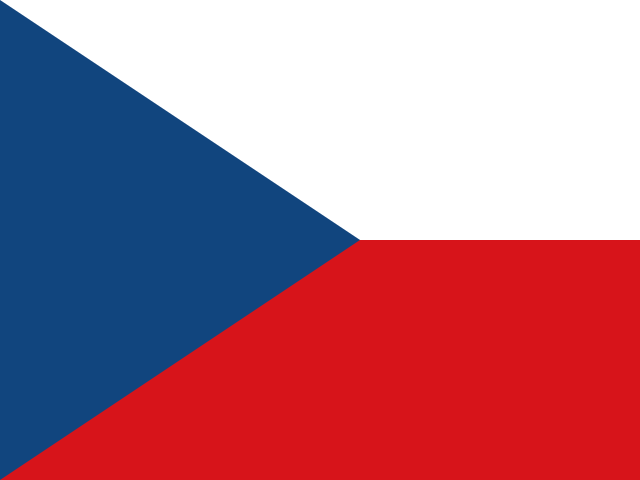 Czechia
 is a genuinely workable option for an Algerian tradesperson in a way Iceland simply is not. The country runs a combined work-and-residence document called the Employee Card (zaměstnanecká karta), it has an embassy in Algiers, and Czech manufacturing, construction, and logistics employers have been actively hiring non-EU labour for years. It is not quick, and the paperwork from the Algerian side takes real patience, but the route exists and plenty of people have gone through it.
The route: the Employee Card, and who applies first
The main legal channel for manual and skilled trades into Czechia is the Employee Card, a single permit that covers both the right to work and the right to stay. Before you can apply, your future employer must register the vacancy with the Czech Labour Office (Úřad práce) on the Central Register of Job Vacancies open to Employee Card holders, confirming the job cannot easily be filled from within Czechia or the EU. Once that registration is in place, you - the worker - submit the Employee Card application yourself, at the Czech embassy or consulate serving your country, unlike Italy's system where the employer alone files.
Processing combines both an immigration and a labour-market check, so expect it to take longer than a simple visa, often several months from vacancy registration to a decision. There is no numeric annual quota like Italy's flows decree, but there is still a real limit: the vacancy has to be genuinely open and the employer has to be a legitimate, registered Czech business.
Where you apply, and what you need
Algeria is one of the countries where Czechia maintains its own Embassy, in Algiers, and that is where Employee Card applications from Algerian nationals are submitted. Confirm current appointment procedures directly on the embassy's own website, since demand for appointment slots can be high.
- Signed contract or binding job offer matching the registered vacancy.
- Valid passport with enough remaining time.
- Algerian police clearance certificate, recent.
- Proof of trade qualification or relevant experience.
- Health insurance covering the move and the early period in Czechia.
- Biometrics, taken at the embassy.
Algeria is not a party to the Hague Apostille Convention, so your police clearance and civil documents will need full consular legalisation rather than an apostille before Czechia will accept them - this takes real time, so start it as early as possible, ideally before the vacancy registration is even finished.
Also keep in mind that your police clearance certificate usually carries a limited validity window, often just a few months, so time the request so it stays current through submission rather than letting it lapse while other parts of the file are still being prepared.
What it actually costs you
The Employee Card application fee and any related charges are set by the Czech state - check the embassy's current fee page rather than relying on an old figure, since fees do get revised.
On your own side, plan roughly for: the police clearance certificate fee, a medical exam if required, certified translation of your documents into Czech (often a notable per-document cost, roughly 40-110 EUR), the consular legalisation process, which can take several weeks across more than one office, and your flight, which varies widely by route and season. Treat all of these as rough planning ranges rather than firm costs.
Czechia prices its official fees in Czech crowns rather than euros or dinars, so confirm which currency any quoted figure actually uses, and check the current exchange rate yourself before relying on a number passed along informally.
Placement fees and scams
Under Czech law, the employer is expected to carry the core costs of registering and sponsoring a position - you should not be charged for the job itself, though you should confirm the exact current rule with the embassy or a Czech labour lawyer before relying on this. A scam pattern reported among North African jobseekers targeting Central Europe involves "visa agents" who demand a large upfront fee for a supposed guaranteed Employee Card, often producing a fake vacancy registration number that does not check out with the Czech Labour Office - always ask for the actual registration details and verify them independently before paying anyone anything.
In Algiers, be especially cautious of agents who ask for payment in dinars for a "fast-track Employee Card" or claim a personal contact inside a Czech Labour Office who can guarantee approval - no such shortcut exists, and the real process always runs through the standard vacancy registration and embassy application steps.
Where the real demand is
- Manufacturing: Czech factories, particularly in the automotive supply chain, hire foreign workers steadily through the Employee Card system.
- Construction: general labourers and skilled tradespeople are in demand across several regions.
- Warehouse and logistics: distribution centres regularly register vacancies open to Employee Card applicants.
Algerian tradespeople with documented experience in metalwork, electrical installation, or heavy-vehicle driving tend to be a reasonably good fit for these sectors, since Czech employers in manufacturing and logistics often look specifically for hands-on skills that are harder to source locally than general labour.
Myths vs facts
Myth: The Employee Card is the same as a simple work visa.
Fact: it is a combined work-and-residence permit with its own labour-market check, which takes longer than a standard visa.
Myth: Only the employer can submit the Employee Card application.
Fact: the employer registers the vacancy, but you as the worker submit the actual application yourself at the embassy.
Myth: Legalisation and apostille are interchangeable in Czechia's eyes.
Fact: since Algeria is outside the apostille system, your documents need full consular legalisation, a separate and slower process.
Myth: Paying an agent extra money can skip the Labour Office's vacancy check.
Fact: the vacancy registration is a government process that cannot be bypassed for a fee.
Before you sign
- Ask the employer for the actual vacancy registration number and check it independently.
- Start the consular legalisation of your documents as early as possible.
- Confirm the embassy's current appointment and fee procedures directly.
- Ask clearly whether you owe any fee for the job - the answer should be no.
- Check your passport validity against the full expected Employee Card timeline.
- Keep both the original and Czech-translated copy of every document.
Put this on your Workuro profile
List your trade and experience clearly, note that your documents are going through consular legalisation, and mention any Czech, French, or English you speak. Flag that you understand the Employee Card process involves both a Labour Office vacancy check and your own embassy application, since that shows an employer you are prepared for the real process rather than expecting a quick visa, and keep your profile current as your documents and vacancy registration progress. Workuro is free for workers - employers pay to search the register, and nobody may charge you for a job.
کیا آپ تلاش کے لیے تیار ہیں؟
2 منٹ میں اپنا پروفائل بنائیں۔ مفت، کوئی کریڈٹ کارڈ نہیں۔
مزید پڑھیں
