Working in Slovenia from Colombia: Visa, Permit, Costs (2026)

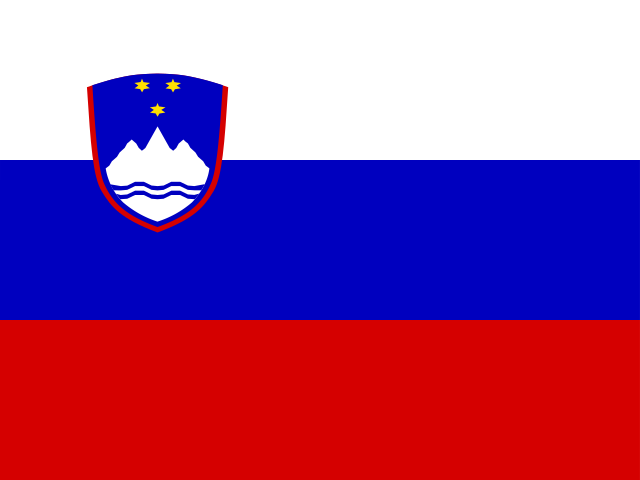 Slovenia
Is Slovenia a realistic choice from Colombia?
Before you focus on Slovenia, consider Spain. Spain shares your language completely, has a large and established Colombian community, and runs immigration schemes that Colombian workers already navigate in large numbers every year, including specific quota categories for construction and hospitality trades. Slovenia, by comparison, speaks Slovene, has essentially no Colombian community, and sees a tiny number of Colombian work permit applications annually. That gap matters in practice, not just on paper.
Slovenia does still need foreign workers in construction, logistics and manufacturing, and the route is technically open to you if you have a genuine job offer. Just know that you'll be navigating it with far less built-in support than you would in Spain, and expect a slower, more paperwork-heavy process as a result.
The permit: enotno dovoljenje
The relevant document is Slovenia's single permit for residence and work (enotno dovoljenje za prebivanje in delo). The Employment Service of Slovenia (ZRSZ) carries out a labour market test unless your role is on the shortage occupation list, which regularly includes construction trades, drivers, welders and metalworkers.
- Employer applies first, through the local administrative unit (upravna enota), with the Employment Service weighing in on the labour market side.
- Shortage list roles skip the labour market test; other roles need it.
- Visa step: once approved, you apply for a type D visa to travel and collect your permit, if your passport requires one.
Slovenian employers are currently hiring from outside the EU mainly in construction and civil works, warehouse and logistics roles connected to Slovenia's position on major European transit routes, and metal or automotive component manufacturing. No wage is guaranteed here, but these are the categories where real applications tend to move.
Where you apply and what you'll need
Slovenia does not maintain an embassy in Colombia. Check whether another Schengen state currently handles Slovenian visa applications for your region, or use the nearest Slovenian embassy or visa centre serving Colombia - confirm this directly with Slovenia's Ministry of Foreign Affairs, since representation arrangements for Latin America shift from time to time.
You'll generally need a signed employment contract, a valid passport, a police clearance (certificado de antecedentes judiciales) from Colombia, proof of your trade qualifications or experience, and health insurance for your stay. Colombia is a member of the Hague Apostille Convention, so your documents typically only need an apostille from the relevant Colombian authority rather than full consular legalisation - a genuine time and cost saver compared to several other origins in this guide.
What this will cost you
The Schengen visa fee is approximately 80 to 90 EUR, fixed at EU level and subject to change, so confirm the exact amount before paying. Slovenia's single permit fee is set by the administrative unit handling your case - ask your employer or the office directly rather than relying on an outdated figure.
On the Colombian side, a rough estimate for your police clearance, a medical exam, translation, and apostille fees might sit around 150,000 to 400,000 COP, roughly 30 to 85 EUR, though this will shift with the peso's rate and your exact requirements, so treat it only as a planning guide. Flights from Colombia to Slovenia almost always involve at least one connection and vary heavily by season, so price that separately and expect it to be the largest line in your budget.
No Slovenian employer or agency may legally charge you for the job itself - recruitment costs are meant to sit with the employer. Be particularly cautious of anyone in Colombia offering a guaranteed European work contract for an upfront fee, often dressed up as a "visa processing service"; this scam shape targets Colombian workers looking at any part of Europe and almost never ends in a real job, especially for a destination as unusual as Slovenia. A common version involves a "recruitment agency" asking for payment to secure an interview with a Slovenian company that, when checked directly, has no record of the arrangement - always verify independently, by contacting the company through its own official channels, before paying anyone anything.
At the visa appointment itself, expect to need your appointment confirmation, your passport and a photocopy, recent passport photos meeting the current rules, your Slovenian single permit documentation, and proof of accommodation for when you arrive. Missing any one of these is a common cause of delay, so put together your checklist well before the appointment date rather than scrambling at the last minute.
Employer-side processing for the single permit commonly runs somewhere around 30 to 90 days once a complete file is submitted, though this depends on whether a labour market test applies and how busy the administrative unit is at the time.
Myths vs facts
Myth: Since Colombia has apostille access, the whole process is fast everywhere in Europe. Fact: the apostille step helps, but Slovenia's single permit and labour market test still take their usual time.
Myth: Spain and Slovenia offer roughly the same odds for a Colombian applicant. Fact: Spain's shared language and established community give it a real practical advantage that Slovenia simply doesn't have.
Myth: Spanish will get you through daily work in Slovenia. Fact: Slovene is the standard working language, with some English in larger companies, but Spanish is essentially unused.
Myth: You can enter on a tourist visa and arrange sponsorship once you're there. Fact: the employer has to file the single permit application before you travel, in nearly every case.
Before you sign
- Is the contract written clearly, with pay, hours and job title in a language you fully understand?
- Has the employer confirmed in writing that they are filing the single permit application?
- Does your role sit on Slovenia's current shortage occupation list, or has a labour market test already cleared?
- Have you ruled out paying any recruitment or processing fee yourself?
- Is your apostilled police clearance recent and will it remain valid through the process?
- Have you seriously compared this against Spain's established routes for Colombian workers?
Put it on your Workuro profile
Build your Workuro profile around specifics: name your trade, whether that's construction, logistics, driving or manufacturing, and state which routes you're actually considering, Slovenia's single permit, Spain's more established channels, or both at once. Mention that your police clearance is apostilled and ready, since that's a real point in your favour. List any language skills beyond Spanish, even basic Slovene or English phrases, because that detail widens where an employer might realistically consider you. Workuro is free for workers - employers pay to search the register, and nobody may charge you for a job.
کیا آپ تلاش کے لیے تیار ہیں؟
2 منٹ میں اپنا پروفائل بنائیں۔ مفت، کوئی کریڈٹ کارڈ نہیں۔
مزید پڑھیں