Fish Processing Jobs in Belgium for Foreign Workers (2026)
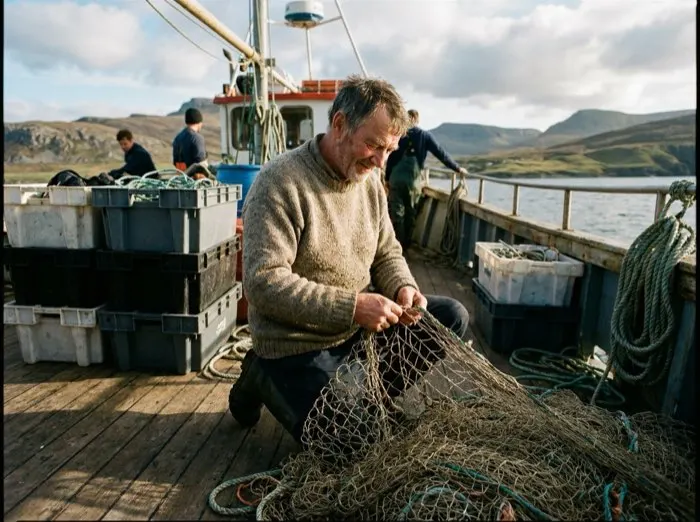
Fish Processing in Belgium: An Honest Look at the Market
If you are looking for a fish and seafood processing job in Belgium as a candidate from outside the European Union, you need to start with an honest picture of the market. Belgium has a well-organized seafood sector, but its physical processing industry is relatively small. If you want massive factories with thousands of seasonal openings every month, neighboring countries like the Netherlands (in towns like Urk or IJmuiden) or France (in ports like Boulogne-sur-Mer) offer far larger job markets.
Belgium operates on a smaller, more specialized scale. Its processing plants focus on high-value fish filleting, North Sea shrimp grading, smoked salmon production, and ready-to-eat seafood meals. While Belgian employers do hire foreign workers from outside the EU due to local staff shortages in West Flanders, the total number of work permits issued for this specific trade is limited. If your primary goal is finding the highest number of open vacancies, you should also look at the Netherlands. However, if you want stable employment contracts, strong social protections, and clear union pay rates, Belgium is worth exploring.
Where the Jobs Are: Key Regions and Seasonal Cycles
Seafood processing in Belgium is concentrated in a few specific geographic areas, mostly near the coast and major logistics corridors. When searching for employers or describing where you want to work, focus on these locations:
- Zeebrugge (West Flanders): This is the major hub of Belgium's fishing industry. Zeebrugge houses the country's main fish auction and a dense cluster of processing companies that handle cod, flatfish, and imported whitefish.
- Ostend and Bredene: Located along the Flemish coast, these towns host smaller processing facilities focused on local coastal catches, shrimp handling, and smoked fish preparation.
- Greater Antwerp Area: Port facilities and industrial parks around Antwerp process, package, and re-export imported frozen seafood, including pangasius, shrimp, and squid.
- Roeselare and Izegem: Situated slightly inland in West Flanders, these cities host major food processing complexes that combine seafood with ready-made meal manufacturing.
The hiring cycle in Belgium operates on a predictable calendar. Peak demand for fresh North Sea catch occurs from late spring through autumn. A second major spike happens between October and December, when processing plants hire extra staff to package smoked salmon, oysters, and gourmet seafood platters for the European holiday season. Winter months (January to March) are typically quieter, making late summer and early autumn the best times to connect with employers.
Work Permits and Visa Regulations for Non-EU Workers
As a candidate from outside the EU, you cannot simply move to Belgium and search for work on arrival. You must secure a contract with a licensed employer who will sponsor your work visa before you travel. Belgium uses a combined work and residence authorization system known as the Single Permit (Gecombineerde vergunning).
Because labor rules in Belgium are managed by regional governments, processing for seafood jobs takes place through the Flemish Department of Work and Social Economy (Departement Werk en Sociale Economie). Here is how the legal process works:
- Shortage List Eligibility: Fish and food processing tasks fall under manual labor categories. Employers must prove they could not find a Belgian or EU worker to fill the role before offering it to a non-EU citizen.
- Employer Sponsorship: The Belgian employer submits the Single Permit application on your behalf. You cannot apply for this permit on your own.
- Processing Timeline: Approval usually takes between 3 to 4 months. The authorities check your clean criminal record, medical clearance, and signed employment contract.
- Visa Issuance: Once the Single Permit approval letter is issued in Belgium, you submit your passport to the local Belgian embassy in your home country to receive your Type D visa.
Required Certificates, Hygiene Rules, and Languages
Belgian seafood plants operate under strict European hygiene standards. You do not need a university degree, but having specific certifications makes you much more attractive to hiring managers.
- HACCP Certification: Understanding Hazard Analysis Critical Control Point rules is essential. A basic certificate showing you know food safety principles gives you an immediate advantage.
- FASFC / FAVV Compliance: Food safety in Belgium is monitored by the Federal Agency for the Safety of the Food Chain (FAVV in Dutch, FASFC in French). Employers will require you to complete a basic food safety test and undergo a medical examination to confirm you carry no contagious skin or digestive conditions.
- Language Requirements: On factory floors in West Flanders, the working language among supervisors is Dutch (Nederlands). While you do not need fluent Dutch to start, understanding basic workplace commands is vital for safety. Basic conversational English or French is frequently used in international teams, but learning basic Dutch numbers and food safety terms will make your application stand out.
- Physical Stamina: Fish processing requires working in climate-controlled environments between 2 and 7 degrees Celsius, standing for long periods, and maintaining precise knife skills or speed on sorting lines.
Pay Rates, Union Contracts, and Expected Net Income
Pay rates in Belgium are strictly regulated by collective bargaining agreements negotiated by Joint Committees (Paritaire Comités). Most seafood processing workers fall under Joint Committee 118 (PC 118 for the food industry).
This system protects foreign workers by ensuring you receive the exact same minimum wage as a Belgian worker doing the same job. There are no unpaid trial periods permitted under Belgian law.
- Gross Hourly Wages: Entry-level line workers in fish processing earn between 14.50 Euros and 17.00 Euros per hour gross. Skilled filleting specialists or machine operators can earn up to 18.50 Euros per hour.
- Shift Bonuses: Cold-storage allowances, early morning shifts (starting before 6:00 AM), and night work add extra hourly premiums, usually between 10 percent and 20 percent above base pay.
- Estimated Net Monthly Salary: After Belgian income taxes and social security contributions (which fund health insurance and coverage), a full-time worker usually takes home between 1,800 Euros and 2,150 Euros net per month, depending on total hours and shift allowances.
- Benefits: Under Belgian contracts, you are entitled to paid annual leave, an end-of-year bonus (13th-month pay), and meal vouchers (cheques-repas) which provide tax-free funds for purchasing groceries.
Reality Check: What People Get Wrong About Seafood Jobs in Belgium
It is easy to misjudge what working in the Belgian seafood sector involves. Keep these facts in mind so you can avoid common mistakes:
- The market is small: Do not expect thousands of open vacancies. Belgium hires hundreds of foreign food workers each year, not tens of thousands.
- You cannot apply as an independent freelancer: You must be directly hired by a registered Belgian company or a recognized agricultural recruitment partner under a Single Permit.
- The work environment is cold and wet: Factories are constantly chilled to preserve fish quality. If you dislike cold temperatures or repetitive physical tasks, this work will be very challenging.
- Housing is your responsibility: Unless your employer explicitly provides seasonal housing in writing, you must arrange your own room rental in West Flanders, which can cost 400 Euros to 650 Euros per month for a shared apartment.
- Visa processing cannot be rushed: No agent can speed up the Flemish government's 3 to 4 month permit evaluation. Beware of anyone offering guaranteed Belgian work visas in two weeks.
Set Up Your Workuro Profile for Belgian Employers
Belgian food processing managers and recruitment agencies search Workuro to find reliable foreign workers. Because Belgian employers look for very specific skill combinations, filling out your profile with precise details helps your name appear in their search results.
When you create or update your free Workuro profile, make sure you explicitly list the details mentioned in this article:
- Target Locations: Select West Flanders, Zeebrugge, Ostend, or Antwerp as your preferred work regions in Belgium.
- Certificates and Training: Add HACCP certification, food safety training, or any medical clearance you currently hold.
- Specific Technical Skills: Mention exact tasks you can perform, such as fish filleting, skinning, grading, quality inspection, cold-room packing, or forklift driving.
- Language Skills: Honesty is essential. List your exact level of English, French, or Dutch. Even a beginner level in Dutch shows employers you are serious about integrating.
- Availability: Clearly state when you are ready to start and whether you are looking for seasonal work during peak periods or long-term employment.
নিয়োগকর্তাদের নজরে আসতে প্রস্তুত?
২ মিনিটে আপনার প্রোফাইল তৈরি করুন। ফ্রি, কোনো ক্রেডিট কার্ড লাগবে না।
আরও পড়ুন