Fish and Seafood Processing Worker Jobs in Italy (2026)
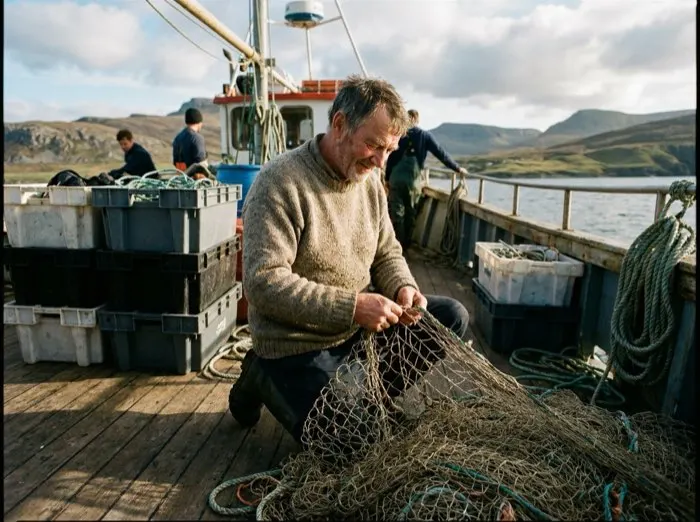
The Reality of Fish Processing Jobs in Italy
If you want to work in seafood processing in Europe, you should know that Italy is not the largest employer in this industry. Countries like Spain, Norway, and Scotland process far greater volumes of fish and hire thousands more foreign workers every year. If your primary goal is finding the highest number of processing vacancies quickly, you should look into seafood plants in northern Spain or Norway as your primary targets.
However, Italy still maintains a steady, specialized seafood processing sector. Italian facilities handle local Mediterranean catches, imported salmon, squid, and canned products like tuna and anchovies. Employers in Italy look for non-EU workers to fill seasonal and full-time roles in processing plants, wholesale markets, and packaging facilities. To get hired from outside the European Union, you must understand how the Italian visa quota works, where the job hubs are located, and what certificates you need before setting foot in a factory.
Key Seafood Regions and Hiring Seasons in Italy
Seafood processing in Italy is concentrated in specific coastal areas and industrial food hubs. You will not find these factories everywhere in the country. Hiring moves according to fishing seasons and consumer demand.
- Veneto and Upper Adriatic (Chioggia and Porto Viro): Chioggia is one of the largest fishing ports in Italy. Processing facilities here focus on clams, mussels, squid, and whitefish. The peak season runs from spring through autumn, though winter packing for fresh markets is also active.
- Sicily (Mazara del Vallo and Sciacca): Mazara del Vallo is famous for its deep-sea fishing fleet, particularly red shrimp and tuna. Processing plants here operate heavily from late spring to late autumn, gutting, freezing, and packaging deep-sea catches.
- Marche Coast (San Benedetto del Tronto): This is a major hub for seafood freezing, canning, and logistics along the Adriatic coast. Companies process small pelagic fish like sardines and anchovies, alongside shellfish.
- Emilia-Romagna and Liguria: Inland processing plants near Parma and coastal Ligurian hubs specialize in preserved anchovies, tuna canning, and prepared seafood meals. These plants often offer year-round work compared to strictly seasonal coastal ports.
Hiring follows two main spikes. The summer season from May to September sees high demand for fresh fish processing to feed coastal tourism. The winter holiday season from November to December creates a short, intense surge in packaging fresh and frozen seafood for Christmas markets across Europe.
The Work Permit Process and Decreto Flussi
Workers coming from outside the European Union cannot simply arrive in Italy on a tourist visa and start working. You need a formal work visa, which relies entirely on the Italian government quota system known as the Decreto Flussi.
- The Government Quota System: Every year, the Italian government issues the Decreto Flussi decree. This decree sets the exact number of non-EU foreign workers who can enter Italy for seasonal work (lavoro stagionale) and non-seasonal work (lavoro subordinato).
- Employer Application: Your Italian employer must apply on your behalf during designated application days. They submit the request through the official immigration portal of the Ministry of Interior, known as the Sportello Unico per l'Immigrazione (SUI).
- The Clearance (Nulla Osta): If approved within the national quota, the SUI issues a work clearance certificate called a Nulla Osta. This document permits you to apply for a work visa at the Italian embassy or consulate in your home country.
- Processing Timeline: The entire process from employer application to visa issuance typically takes between three to six months. You cannot bypass this process, as working without a valid permit leads to immediate deportation.
Seasonal work permits are usually valid for six to nine months. If you return home on time after your seasonal contract ends, you gain priority status for multi-year work permits in future Decreto Flussi applications.
Required Certificates, Language Skills, and Physical Demands
Working on a factory floor in Italy requires basic compliance certificates and specific physical capabilities. Employers want candidates who can step onto the line without long training periods.
- HACCP Food Safety Certificate: Italy strictly enforces European food safety standards. You must hold an Attestato HACCP (Hazard Analysis Critical Control Point training certificate). This certificate proves you understand hygiene standards, cross-contamination risks, and personal sanitation rules. Local health authorities (Azienda Sanitaria Locale or ASL) and accredited private centers issue this qualification after a short course.
- Italian Language Level: You do not need fluent Italian to clean or gut fish, but basic spoken Italian at an A2 level is necessary. Supervisors deliver instructions, safety briefings, and machinery protocols in Italian. Employers rarely hire non-EU workers who cannot understand essential workplace commands.
- Machine Operation and Hand Skills: Experience using high-speed filleting knives, gutting machines, automated skinning tools, or vacuum-sealing equipment gives you a major advantage. Manual dexterity and speed are primary hiring criteria.
- Working Environment: Factories maintain cold temperatures (often between 4 and 10 degrees Celsius) to preserve fish quality. The work requires standing for eight-hour shifts, handling wet ice, and lifting heavy crates weighing up to 25 kilograms.
Wages, Collective Bargaining Contracts, and Living Costs
Pay in the Italian food processing industry is regulated by national collective bargaining agreements (Contratto Collettivo Nazionale di Lavoro or CCNL). Seafood processing workers fall under either the food industry contract (CCNL Industria Alimentare) or the craft sector contract (CCNL Artigianato Alimentare).
- Net Monthly Pay: Entry-level seafood processing workers earn a net monthly pay ranging from 1,100 EUR to 1,450 EUR after tax deductions and social security contributions.
- Hourly and Shift Rates: Standard base pay averages roughly 7.50 EUR to 9.50 EUR net per hour. Night shifts (which are common in wholesale markets and early-morning processing) and overtime pay carry extra bonuses ranging from 15 percent to 30 percent extra per hour.
- Annual Bonuses: Italian employment contracts include additional monthly payments known as the 13th month (tredicesima) paid before Christmas, and sometimes the 14th month (quattordicesima) paid in summer.
- Living Costs: Living in small coastal towns like Chioggia or Mazara del Vallo is far cheaper than living in Milan or Rome. Shared accommodation typically costs between 250 EUR and 400 EUR per month, leaving enough room to save or send money home.
Reality Check: Common Mistakes Foreign Workers Make
Many job seekers fail to secure positions in Italy because they hold unrealistic expectations about the market. Here are the most common mistakes:
- Expecting English-only workplaces: Italian fish plants operate almost exclusively in Italian. Relying solely on English will limit your job opportunities.
- Targeting the wrong regions: Searching for processing jobs in central inland cities or non-fishing regions leads to zero results. Focus strictly on coastal hubs in Veneto, Sicily, and Marche.
- Confusing vessel fishing with factory processing: Working on a fishing boat at sea requires completely different maritime licenses than working inside a land-based seafood packaging plant.
- Arriving on a tourist visa hoping to work: Italian employers cannot convert a tourist visa into a valid work permit inside the country. You must complete the Decreto Flussi process from your home country.
- Ignoring seasonal deadlines: Applying for seasonal jobs after the Decreto Flussi quota window has closed means you will have to wait another year for the next quota release.
Add Your Specifics to Your Workuro Profile
Employers in Italy search Workuro to find reliable foreign workers who are ready for placement. To make your profile stand out to Italian seafood companies and recruitment agencies, you must list your specific technical qualifications and preferences.
Make sure your Workuro profile highlights:
- Your HACCP certificate details or food safety training experience.
- Your specific practical skills, such as knife work, filleting, squid cleaning, automated packaging, or cold-storage handling.
- Your Italian language level (such as A2 or B1), even if you are still learning.
- Your target regions in Italy, such as Veneto (Chioggia), Sicily (Mazara del Vallo), or Marche (San Benedetto del Tronto).
- Your current visa status and readiness to participate in the Decreto Flussi hiring rounds.
Complete profiles with exact location choices, language skills, and certified technical abilities appear far more frequently in employer search results. Update your profile today so Italian hiring managers can match you with available positions.
নিয়োগকর্তাদের নজরে আসতে প্রস্তুত?
২ মিনিটে আপনার প্রোফাইল তৈরি করুন। ফ্রি, কোনো ক্রেডিট কার্ড লাগবে না।
আরও পড়ুন