Empleo de maquinaria pesada en Lituania para extranjeros
 Lithuania
Demand for Heavy Equipment Operators in Lithuania
If you operate heavy machinery or cranes and come from outside the European Union, Lithuania offers steady work opportunities in 2026. While the total job market here is smaller than in neighboring Poland or Germany, Lithuania has a major advantage: clear immigration pathways, lower living costs, and large infrastructure projects that rely heavily on foreign talent.
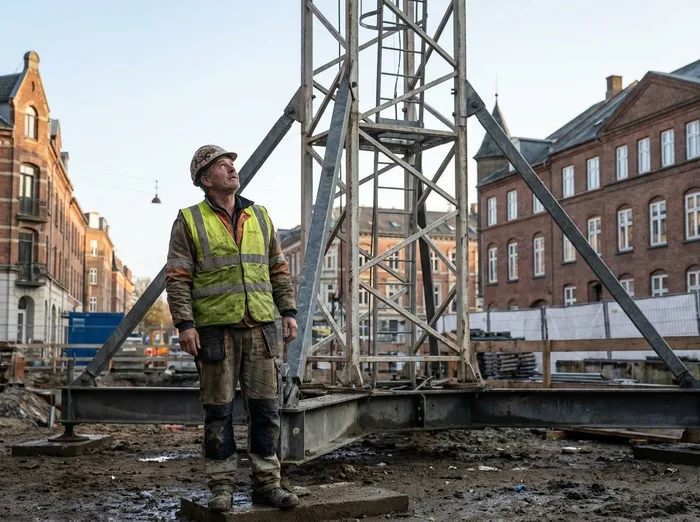
Demand is driven by several large projects. The Rail Baltica railway line requires hundreds of excavator, loader, and bulldozer operators across central and northern Lithuania. Port expansion in Klaipėda demands skilled crane operators for maritime and freight handling. Renewable energy projects, particularly wind farm construction in Western Lithuania, require specialized heavy mobile crane drivers for tower assembly.
If you want sheer job volume, larger countries like Poland hire more operators overall. However, if you want a reliable entry point into Europe with structured employer sponsorship, Lithuania is an excellent target. You will need an employer to sponsor your work visa before you arrive, but skilled operators who hold valid machinery credentials are in high demand.
Required Licences and Qualifications in Lithuania
You cannot operate heavy machinery or cranes in Lithuania using only your home country licence. Lithuanian regulations are strict about workplace safety, and employers must verify that your training meets European Union standards.
- State Labour Inspectorate verification: The State Labour Inspectorate (Valstybinė darbo inspekcija) oversees safety compliance on job sites. Employers will check your existing certificates and arrange for a short local safety and operating qualification course once you arrive.
- Tractor and machinery categories: Earthmoving equipment like excavators, loaders, and bulldozers falls under local TR machinery categories (such as TR1, TR2, or SZ). If you hold certificates for specific brands like Caterpillar, Komatsu, or JCB, bring translated copies of your training records.
- Mobile crane requirements: To drive a mobile crane on public roads in Lithuania, you must hold a European Category CE driving licence and a Code 95 professional driver qualification. You also need a dedicated mobile crane operator certificate (krano mašinisto pažymėjimas).
- Tower crane certificates: Operating static or tower cranes on building sites requires a dedicated lifting equipment operator certificate. Employers often pay for your local test if you have strong documented experience in your home country.
- Language requirements: You do not need to speak fluent Lithuanian to land a job. Most job sites use English or Russian for daily instruction between site managers and foreign crews. However, you must learn basic Lithuanian safety commands used on construction sites.
Work Permits, Visa Routes, and Shortage Lists
As a non-EU citizen from South Asia, Africa, Central Asia, or Latin America, you need official authorization to work in Lithuania. You cannot enter on a tourist visa and convert it to a work permit inside the country.
The process is managed by the Lithuanian Migration Department (Migracijos departamentas) through their online MIGRIS portal. Your employer initiates the paperwork in Lithuania before you apply for your visa at an embassy or VFS Global application centre in your country.
- The shortage occupation list: The Lithuanian Employment Service (Užimtumo tarnyba) maintains an official list of shortage occupations (Trūkstamų profesijų sąrašas). Heavy equipment operators and specialized crane drivers frequently feature on this list. When your trade is listed, your employer can hire you without running a lengthy local labour market test.
- National D Visa: Most operators arrive on a multiple-entry National Visa D, which is valid for up to one year. This allows you to start working quickly while your long-term residency application processes.
- Temporary Residence Permit (TRP): For longer contracts, your employer will assist you in applying for a TRP. This card is usually issued for two years and can be renewed as long as your employment continues.
- Processing timeline: Once an employer submits your documents to the MIGRIS system, visa and permit approval typically takes between 4 and 12 weeks. Plan ahead and gather your police clearance certificates and official employment history early.
Pay Expectations and Work Conditions
Wages in Lithuania are quoted either as gross (before tax) or net (the exact amount paid into your bank account). In Lithuania, income tax (GPM) and social security contributions (Sodra) are deducted directly by your employer.
Here is what heavy equipment and crane operators can expect to earn in net monthly pay after all taxes are paid:
- Excavator and backhoe operators: 1,200 EUR to 1,600 EUR net per month for standard construction and roadworks.
- Tower crane operators: 1,500 EUR to 2,000 EUR net per month, depending on high-rise project complexity and overtime hours.
- Heavy mobile crane operators: 1,700 EUR to 2,400 EUR net per month for complex lifts, all-terrain rigs, and industrial installations.
- Overtime and shift bonuses: Weekend work, night shifts, and working on official holidays attract higher hourly rates under Lithuanian labor law.
- Seasonality: Construction activity peaks between April and November. During severe winter months (December to March), outdoor earthmoving slows down. However, port operations in Klaipėda and indoor logistics hubs operate year-round.
Key Regions and Hubs Hiring Operators
Job availability for machinery operators in Lithuania depends heavily on the location and the type of industry active in that region.
- Vilnius Region: The capital city is the centre for commercial and high-rise residential construction. Tower crane operators and excavator drivers find steady urban construction work here.
- Kaunas and FEZ: Kaunas is Lithuania's primary logistics and industrial center. The Kaunas Free Economic Zone (FEZ) and nearby Rail Baltica construction sites recruit heavy earthmoving operators, crane drivers, and riggers continuously.
- Klaipėda Seaport: The port area operates continuously throughout the year. Quay crane operators, container handler drivers, and mobile crane operators are regularly needed for maritime cargo handling.
- Western Lithuania (Tauragė, Šilutė, Telšiai): This region hosts expanding onshore wind power projects. High-capacity all-terrain mobile crane operators are frequently recruited for turbine assembly work.
- Mažeikiai: Home to major industrial facilities, including the ORLEN refinery complex, where plant maintenance and heavy equipment operation require skilled machinery drivers.
Reality Check: What Workers Get Wrong
Many foreign candidates make costly mistakes when looking for operator positions in Lithuania. Keep these key facts in mind to avoid common traps:
- Your foreign licence is not an instant pass: You cannot start operating heavy machinery on a Lithuanian job site on day one without passing employer verification and safety site inductions.
- Winter changes the work pace: Deep winter freezing reduces earthmoving operations. Make sure your employment contract guarantees a base monthly salary regardless of weather slowdowns.
- Accommodation costs vary: Some employers provide free or subsidized housing in shared worker apartments, while others expect you to pay rent. Always clarify housing terms before accepting a contract.
- Agent payments are unnecessary: You never need to pay an agency to secure a job in Lithuania. Legitimate European employers pay recruitment costs directly.
Build Your Workuro Profile to Get Found
Lithuanian construction companies, logistics firms, and equipment rental agencies actively search for qualified foreign operators when project deadlines approach. To make sure employers can evaluate your experience instantly, set up your profile on Workuro.
Be precise when filling out your details. Mention the specific machinery brands you have operated, such as Liebherr, Caterpillar, Komatsu, Potain, or Manitowoc. List your exact licences, including any CE driving licences, Code 95 qualifications, or heavy machinery categories you hold. Add your foreign language abilities and state clearly which Lithuanian regions you are prepared to move to, such as Vilnius, Kaunas, or Klaipėda.
When an employer in Lithuania searches for an operator with your exact skillset, a clear, complete Workuro profile ensures your application stands out first.
¿Listo para que te encuentren?
Crea tu perfil en 2 minutos. Gratis, sin tarjeta de crédito.
Sigue leyendo