Hotel & Hospitality Worker Jobs in Netherlands for Foreigners (2026)
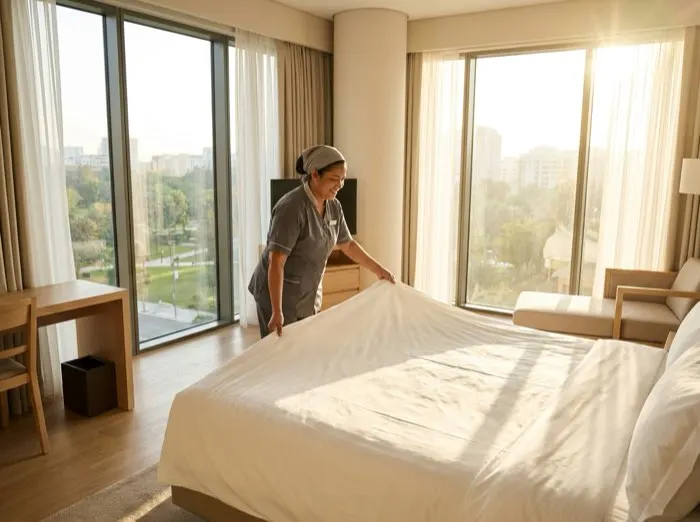
If you are looking for hotel and hospitality jobs in the Netherlands as a worker from outside the European Union, you need to understand the realistic path forward. The Dutch hospitality sector relies heavily on seasonal and permanent staff, but Dutch immigration laws set high hurdles for hiring non-EU workers in entry-level roles. Dutch employers can only sponsor work permits for positions where they can prove no suitable candidates were found within the EU or EEA.
If you are an entry-level dishwasher, general waiter, or room attendant without specialized experience, securing a visa direct from a non-EU country to the Netherlands is rare and difficult. If your primary goal is finding immediate entry-level hotel work in Europe with lower visa hurdles, countries like Croatia, Malta, or Romania are often faster options. However, if you are a head chef, a specialist cook, a bilingual hotel supervisor, or a qualified manager, Dutch hotels and restaurant groups actively seek international talent and will invest in legal permit sponsorship.
1. Hotspot Regions and Hiring Seasons in the Netherlands
Hospitality work in the Netherlands is spread across distinct economic geographic zones, each with unique peak hiring periods and staffing needs:
- The Randstad (Amsterdam, Rotterdam, The Hague, Utrecht): This central urban cluster operates year-round. Amsterdam alone has hundreds of luxury hotels and tourist venues. The main hiring push happens between February and April to prepare for the spring tourist surge, though city centre business hotels hire constantly due to year-round corporate conferences.
- The Coastal Resorts (Zeeland and North Holland Coast): Towns like Renesse, Domburg, Scheveningen, and Zandvoort experience massive tourism from April through October. Beach clubs, family hotels, and coastal resorts need large teams. Hiring for summer resort work begins as early as January.
- The Veluwe and Nature Regions (Gelderland): Forested interior regions near Apeldoorn and Arnhem host large conference hotels, holiday parks, and wellness resorts. Demand peaks in spring and summer, but corporate events keep business steady into late autumn.
- The Keukenhof and Bulb Region (Lisse, Hillegom): Spring brings millions of visitors to the flower bulb area from late March to mid-May. Hotels and restaurants in this corridor hire temporary high-intensity teams starting in January.
- The Wadden Islands (Texel, Terschelling, Ameland): Island tourism peaks from May to September. Island employers frequently provide staff accommodation, which makes these positions highly competitive for international workers.
2. Work Permits and Legal Procedures for Non-EU Hospitality Workers
To work legally in the Netherlands as a non-EU citizen, your employer must secure authorization through the Dutch Employee Insurance Agency (UWV) and the Immigration and Naturalisation Service (IND). You cannot apply for these permits on your own; a registered Dutch business must initiate the process on your behalf.
The legal routes include:
- Single Permit (GVVA - Gecombineerde vergunning voor verblijf en arbeid): This combined residence and work permit is standard for hospitality roles. The employer submits the application to the IND. The UWV then assesses whether the employer tried hard enough to find a Dutch or EU worker first by listing the job on national job portals for several weeks.
- Highly Skilled Migrant Permit (Kennismigrant): This fast-track route applies to senior management, corporate hotel staff, or specialized executive chefs. It bypasses the UWV labor market test if the employer is a recognized sponsor with the IND and pays a salary meeting the strict national income threshold for highly skilled migrants.
- Specialized Asian Catering Scheme: While subject to changing quota rules, specialized foreign kitchen staff for specific international cuisines sometimes fall under targeted permit categories. These applications require proving formal culinary qualifications and specific cuisine mastery.
Processing times for a GVVA application typically range from 8 to 13 weeks. Do not travel to the Netherlands on a Schengen tourist visa expecting to convert it to a work permit while inside the country. Dutch law strictly forbids this, and your application will be rejected automatically.
3. Mandatory Certificates and Language Requirements
Dutch employers face strict municipal and national regulations regarding health, safety, and alcohol licensing. Holding recognized certificates will set your profile apart from thousands of generic applicants.
- SVH Social Hygiene Certificate (Verklaring Sociale Hygiëne): Issued by the Stichting Vakbekwaamheid Horeca (SVH), this certificate is mandatory under the Dutch Alcohol Act (Alcoholwet) for anyone supervising a bar or restaurant where alcohol is served. At least one person holding an SVH certificate must be present on the premises during operating hours. Having this qualification makes you instantly valuable to venue owners.
- HACCP Food Safety Certificate: Dutch food safety authorities (NVWA) enforce strict hygiene codes. A verified Hazard Analysis Critical Control Point (HACCP) certificate shows kitchen and dining staff understand safe food handling standards.
- BHV Certificate (Bedrijfshulpverlening): Dutch law requires businesses to have trained emergency response staff on site. A BHV certificate covers basic first aid, fire fighting, and building evacuation. Hospitality employers actively look for workers who hold this credential.
- Language Expectations: In Amsterdam and major tourist hubs, high-level English (B2 or C1) is sufficient for kitchen staff, housekeepers, and front-of-house roles. However, outside the major cities, front-desk and service roles require conversational Dutch (B1 level or higher). Knowing basic phrases in German is also an advantage in coastal tourist zones like Zeeland.
4. Pay Rates and Collective Agreements (CAO Horeca)
Hospitality wages in the Netherlands are regulated by the official Collective Labor Agreement for Hospitality (CAO Horeca), negotiated between employer associations like Koninklijke Horeca Nederland and trade unions like FNV Horeca.
The CAO sets standard wage scales based on position category and experience:
- Standard Weekly Hours: A full-time workweek under the CAO Horeca is 38 hours.
- Gross Minimum Salary Scales: Basic operational roles (housekeeping, entry kitchen staff) start near the statutory minimum wage, which translates to approximately €2,100 to €2,300 gross per month for a standard full-time contract.
- Skilled Roles Pay: Qualified line cooks, experienced bartenders, and floor supervisors fall into higher CAO wage groups, earning between €2,400 and €3,100 gross per month. Head chefs and hotel duty managers receive significantly higher pay depending on venue size.
- Net Monthly Income: After tax deductions and mandatory social security contributions, a standard full-time hospitality worker earns between €1,850 and €2,350 net per month.
- Holiday Allowance (Vakantiegeld): Dutch labor law guarantees an additional 8% annual holiday allowance on top of your gross wage. This is typically paid out every year in May or accumulated and paid at the end of your contract.
5. Reality Check: Myths vs. Facts in Dutch Hospitality
To protect yourself from scams and false promises, keep these critical facts in mind:
- Myth: You can enter the Netherlands on a tourist visa, find a restaurant job, and start working immediately.
- Fact: Working on a tourist visa is illegal. UWV inspectors fine employers thousands of Euros per illegal worker, and undocumented workers face deportation and entry bans.
- Myth: Dutch employers will pay for your flight and give you free long-term housing.
- Fact: Flight coverage is rare for line hospitality roles. Housing support is sometimes provided in seasonal rural areas or on the Wadden Islands, but in major cities, finding housing is your responsibility.
- Myth: You do not need formal certificates if you have five years of experience in your home country.
- Fact: Dutch food safety and alcohol regulations are strictly enforced. Employers prefer candidates who hold or can quickly take the recognized SVH or HACCP exams.
- Myth: Every restaurant can easily sponsor a work visa for non-EU applicants.
- Fact: Only businesses willing to navigate the UWV labor market check and pay official processing fees can hire non-EU staff. Small neighborhood cafes rarely have the legal resources to do this.
6. The Housing Challenge for Foreign Hospitality Staff
The Netherlands is experiencing a severe housing shortage (woningnood). Finding a room or flat in cities like Amsterdam, Utrecht, or Rotterdam is extremely challenging and expensive. Renting a single room in a shared apartment can cost between €700 and €1,100 per month including utilities.
When applying for jobs in the Netherlands, ask employers directly if they provide short-term staff accommodation or work with staff housing agencies. Seasonal employers in coastal Zeeland, Gelderland holiday parks, or the Wadden Islands are much more likely to offer staff lodging attached to your employment contract. Securing guaranteed housing alongside your work agreement is often the deciding factor in making your move to the Netherlands financially viable.
7. Build Your Workuro Profile to Match Dutch Employer Searches
Dutch employers and recruitment agencies use Workuro to find qualified non-EU candidates who meet their exact legal and operational requirements. To ensure your profile appears at the top of employer searches, complete your profile details carefully:
- List Specific Certificates: Mention if you hold an HACCP, SVH Social Hygiene, or BHV qualification, or if you are ready to take these exams upon arrival.
- Detail Your Specialty Skills: If you are a specialized chef (e.g., sushi, tandoori, pastry, Asian fusion), state this clearly in your profile title and work history. Specialized culinary skills are the single most common reason employers gain UWV permit approvals.
- Specify English and Dutch Proficiency: Clearly mark your level on the CEFR scale (A2, B1, B2, C1). High English proficiency combined with basic Dutch makes you an immediate candidate for front-of-house roles.
- Select Your Preferred Target Regions: Indicate if you are open to working in seasonal coastal areas like Zeeland, nature resorts in Gelderland, or major commercial centers like the Randstad.
- Upload Clear Work References: Include verified contact info for past employers, proving your years of hands-on experience in high-volume kitchens or international hotel chains.
By keeping your Workuro profile clear, accurate, and aligned with Dutch regulatory standards, you make it easy for Dutch hotel and restaurant employers to find you and start the sponsorship process.
¿Listo para que te encuentren?
Crea tu perfil en 2 minutos. Gratis, sin tarjeta de crédito.
Sigue leyendo