Working in Ireland from Nepal: Visa, Permit, Costs (2026)
 Ireland
Is Ireland realistic for Nepali trade workers?
Ireland is an attractive English-speaking destination in Europe, but it has very strict labor rules for foreign workers from non-EU countries like Nepal. Before you pay any money or plan your move, you must understand that Ireland is not an open market for general, non-skilled manual work. Ireland maintains an official Ineligible Categories of Employment list. This list blocks work permits for basic roles like general warehouse laborers, basic farm hands, standard cleaners, and entry-level retail staff.
If you are looking for quick, entry-level manual labor work in Europe without formal trade qualifications, Ireland is a difficult target. You will have a much higher chance of finding legal work in countries like Romania, Croatia, Poland, or Malta, which offer larger quotas and lower barriers for general workers. However, if you are a qualified worker in a specific trade with documented experience, Ireland offers a clear, legal path.
Here are three trades where Ireland genuinely hires foreign workers under current labor rules:
- Construction specialists: Qualified carpenters, bricklayers, heavy plant operators, and pipefitters are needed across Ireland to support national housing projects.
- Healthcare assistants: Certified care workers and senior caregivers are actively recruited to work in private nursing homes and residential care facilities.
- Professional chefs: Experienced specialty chefs and commis chefs with formal cooking background can obtain work permits for hotels and restaurants.
The official permit route for Ireland
Ireland does not use the EU Blue Card for trade workers, nor does it offer a general seasonal work permit for non-EU citizens. The main legal route for a Nepali national in a skilled trade is the General Employment Permit (GEP). In some highly specialized technical cases, the Critical Skills Employment Permit (CSEP) may apply, but the GEP is the standard pathway for trades, chefs, and care workers.
The process is strictly employer-driven. This means you cannot apply for a work permit by yourself. An employer in Ireland must offer you a job first. Before offering you the position, the Irish employer usually must perform a Labor Market Needs Test (LMNT). This means they must advertise the job in Ireland and across the European Union for at least 28 days to prove that no local worker is available to fill the role.
Once the employer completes this step and signs a binding contract with you, the employer (or an authorized Irish agency) submits the permit application first to the Department of Enterprise, Trade and Employment (DETE) in Ireland. You must wait in Nepal while DETE reviews and approves the employment permit.
Where to apply and required documents in Nepal
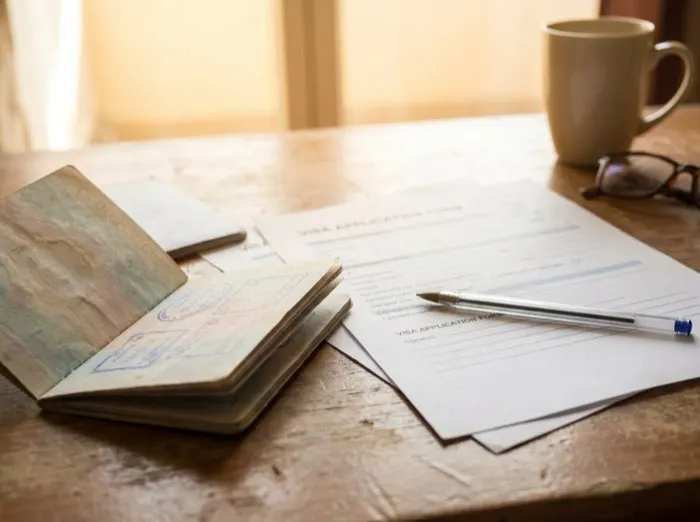
Once your employment permit is approved by DETE in Ireland, you are ready for step two: applying for your Irish entry visa. Ireland is not part of the Schengen zone, so you must apply for a national Irish long-stay visa, known as a Type D Employment Visa.
You begin your visa application online through the Irish government portal called AVATS. After completing the online form, you must submit your physical passport, supporting documents, and biometric data in person. You will do this at the nearest official Ireland visa application centre serving Nepal, which is the VFS Global Visa Application Centre located in Kathmandu.
To ensure your visa application is accepted, you will need to prepare a clean document file. Expect to gather the following paperwork:
- Valid passport: Must have at least 12 months of validity remaining from your planned date of arrival in Ireland.
- Official employment permit: A clear copy of your approved General Employment Permit issued by DETE in Ireland.
- Signed job contract: A signed contract showing your employer name, working hours, exact workplace location, and guaranteed annual salary.
- Police clearance certificate: An official police report issued by Nepal Police Headquarters in Kathmandu.
- Qualifications and proof of experience: Vocational diplomas, apprenticeship certificates, or written work reference letters from previous employers in Nepal or the Gulf.
- Medical insurance: Travel medical insurance covering your arrival period until you register locally in Ireland.
- Biometric data: Fingerprints and photograph taken at the VFS centre in Kathmandu during your appointment.
Document legalisation is a critical step. Your Nepali police clearance certificate and academic or trade qualifications must be legalised by the Department of Consular Services under the Ministry of Foreign Affairs (MOFA) in Kathmandu. Without official MOFA attestation, Irish immigration authorities will not accept your Nepali civil documents.
Official fees, local costs, and timeline
Moving from Nepal to Ireland involves official state fees as well as local preparation costs in Nepal. You must budget carefully so you know what to expect.
The main government permit and visa fees are set by Ireland:
- Employment permit fee: Approximately 1,000 euros for a permit valid up to 2 years. Irish regulations require the employer to pay this fee or handle it directly with DETE. Employers are legally prohibited from deducting this permit fee from your future salary.
- Type D visa fee: Approximately 100 euros for a single-entry visa, paid online or at the visa centre.
- VFS service fee: Approximately 4,000 to 7,000 Nepalese Rupees (NPR), paid directly to the VFS centre in Kathmandu.
In addition to official Irish fees, you carry real local costs on the Nepal side during preparation:
- Police clearance: Approximately 0 to 1,000 NPR (0 to 7 euros).
- MOFA document legalisation: Approximately 1,000 to 3,000 NPR (7 to 20 euros) depending on the number of certificates.
- Medical examination: Approximately 6,000 to 12,000 NPR (40 to 85 euros) at an approved clinic.
- Document translations: Approximately 2,000 to 5,000 NPR (14 to 35 euros) if original documents are in Nepali.
- Flight ticket: A single-way economy flight from Kathmandu to Dublin ranges approximately from 75,000 to 130,000 NPR (520 to 900 euros).
The processing timeline requires patience. The DETE employment permit approval in Ireland takes approximately 4 to 12 weeks. Once approved, the Type D visa processing at the Dublin visa office via Kathmandu takes approximately 6 to 10 weeks. Overall, expect the entire process to take approximately 3 to 6 months from contract signing to landing in Ireland.
Placement fees and avoiding recruitment scams
Under Irish law and international recruitment standards, no employer, employment agency, or broker is allowed to charge a worker money for giving them a job. The employer in Ireland must cover the recruitment fees, advertisement costs, and government permit application charges.
Unfortunately, many dishonest manpower agencies and individual agents in Kathmandu target Nepali workers by promising guaranteed Irish work visas. They often demand between 5 lakh and 15 lakh NPR as a processing fee or visa package fee. These are almost always illegal scams.
Scammers often create fake job offer letters with stolen Irish company logos, or they print forged DETE permit certificates. Never pay money to an agent who promises an Irish work permit in exchange for cash. If an agent tells you that you can pay for an Irish permit in advance, stop immediately. Always verify that your employer is a registered business in Ireland and that your permit reference number exists in the official DETE database before taking any step.
Myths vs facts
Understanding the truth about Irish work rules will keep you safe from financial loss.
- Myth: You can enter Ireland on a tourist visa and change it to a work permit after landing.
Fact: You cannot convert a visitor visa into a work permit inside Ireland. You must apply for the permit and visa while living outside Ireland. - Myth: An agent in Nepal can buy an Irish work permit for general farm or warehouse work.
Fact: General manual labor roles are on the official ineligible list, and work permits cannot be bought or sold by middle agencies. - Myth: Trade workers from Nepal use the EU Blue Card to work in Ireland.
Fact: Ireland has an opt-out from the EU Blue Card scheme. Foreign trade workers enter under national permits like the General Employment Permit. - Myth: You can pay for your employment permit by having money deducted from your weekly Irish salary.
Fact: Irish law strictly forbids employers from recovering employment permit fees or recruitment costs from worker wages.
Before you sign
Use this practical checklist before signing any contract or handing over your documents for an Irish job offer:
- Check if your exact trade title is excluded on Ireland's official Ineligible Categories of Employment list.
- Verify that your contract lists a guaranteed salary that meets or exceeds the official Irish minimum threshold for General Employment Permits.
- Confirm that your Irish employer completed the 28-day Labor Market Needs Test or holds an official exemption certificate.
- Ensure your job offer lists exact details, including weekly working hours, overtime rates, and physical job site location in Ireland.
- Have your original trade certificates and police clearance report legalised at MOFA in Kathmandu before submitting your visa file.
- Refuse to pay any agent or employer any fee for the job offer or the work permit application.
Put your details on Workuro
If you are a skilled worker in Nepal, prepare your path carefully. Keep your passport current, get your trade certificates certified by MOFA in Kathmandu, and highlight your verified work history in construction, healthcare, or hospitality. Add your exact trade, practical experience, and English language level to your Workuro profile so legitimate employers in Europe can review your qualifications directly. Workuro is free for workers - employers pay to search the register, and nobody may charge you for a job.
Prêt à vous faire remarquer ?
Créez votre profil en 2 minutes. Gratuit, sans carte bancaire.
Continuer la lecture