The highest-paying European countries for blue-collar workers
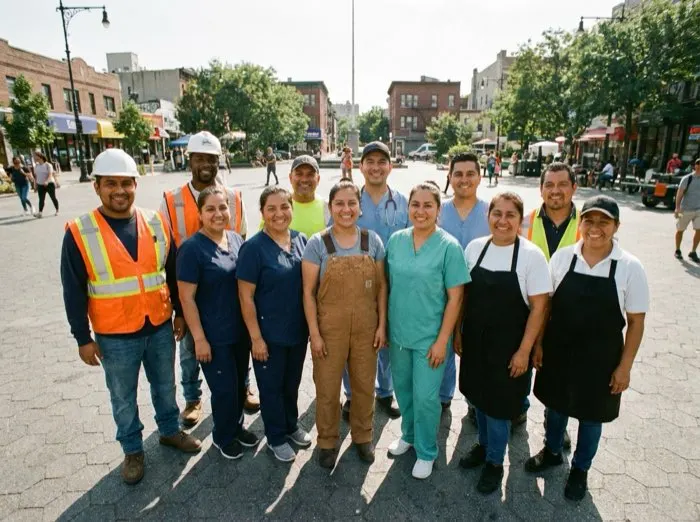
For electricians, welders, drivers, construction workers and machine operators, Europe's pay map looks quite different from the map for office jobs. Blue-collar wages are driven by labour shortages, union coverage and local building booms - not by where the corporate headquarters are. Here is where hands-on workers typically earn the most, with hedged, gross figures that vary by experience and region.
The top tier
Switzerland
Not in the EU, but in Schengen and tightly linked to the EU labour market. Skilled construction and industrial workers commonly earn roughly 4,500 to 6,500 CHF gross per month under strong collective agreements. The catch: living costs are the highest in Europe, and non-EU nationals face strict quota-based permits.
Norway, Denmark and the Nordics
Collective agreements set high effective floors. A construction worker in Norway or Denmark often earns somewhere around 3,500 to 5,000 EUR gross per month equivalent, with strict rules on working hours. Demand is steady in construction, fish processing (Norway) and logistics. Winters are long and rents in Oslo or Copenhagen are steep, but disposable income for tradespeople remains among Europe's best.
Germany, Netherlands, Belgium and Austria
The industrial heart of Europe. Qualified tradespeople - electricians, HGV drivers, welders, HVAC technicians - typically earn roughly 2,800 to 4,200 EUR gross per month, more with overtime and shift allowances. Germany and Austria have well-known shortages in skilled trades and logistics; the Netherlands hires heavily in greenhouses, warehousing and technical installation. These countries also have relatively accessible permit routes for shortage occupations - see how EU employer sponsorship works.
Strong value picks
- Ireland - construction is booming and trades are on the critical skills lists; pay is high but Dublin housing is genuinely difficult.
- Finland and Sweden - solid pay under collective agreements, active recruitment of welders, drivers and cleaners; Finland has been notably open to non-EU industrial workers.
- France - good pay in construction and logistics around major cities, though the permit process can be slow for non-EU workers.
Pay versus what you keep
| Country group | Typical gross (skilled trades) | Cost pressure |
|---|---|---|
| Switzerland, Norway | Highest in Europe | Very high rents and prices |
| Germany, NL, Belgium, Austria | Roughly 2,800-4,200 EUR/month | Moderate to high in big cities |
| Poland, Czechia | Lower gross, rising fast | Low costs, so savings can compare well |
Do not overlook that last row. Many workers in Central Europe save nearly as much per month as workers in the west, because rent and food cost far less, and employers there increasingly provide subsidised housing and transport to attract foreign staff. If your goal is sending money home, run the numbers on net pay minus living costs, not gross salary.
Which trades earn the premium
Within the blue-collar world, pay gaps between trades are as big as gaps between countries. Electricians, industrial mechanics, HVAC and refrigeration technicians, and CNC machine operators consistently sit at the top of the scale, because their shortages are structural: Europe's energy transition needs electricians for solar, heat pumps and grid work faster than apprenticeships can supply them. HGV drivers with CE licences and ADR (dangerous goods) certificates command growing premiums as the driver population ages out. Scaffolders, crane operators and formwork carpenters earn well above general labourers on the same site. At the other end, unskilled warehouse and agricultural roles pay closest to the minimum wage everywhere - they are the entry point, not the destination. The practical lesson: one certificate can move you a full country's worth of pay difference without moving anywhere. Ask employers which qualifications they will fund; in shortage trades, many will pay for your licence upgrade to keep you.
How to position yourself
- Get your trade qualifications documented and translated - recognised certificates move you up the pay scale quickly, especially in Germany and Austria.
- Safety cards and licences (forklift, HGV categories C/CE, welding certificates like EN ISO 9606) are worth real money.
- Be wary of agencies promising Nordic wages for a fee - legitimate employers and agencies never charge workers for a job offer.
The fastest way to find out what you are worth across borders is to let employers compete for you. Create your free Workuro profile - free, no credit card, and employers contact you directly with real offers. Create your free profile and see who is hiring your trade.
Chcesz dać się znaleźć pracodawcom?
Stwórz profil w 2 minuty. Za darmo, bez karty.
Czytaj dalej