Plumber Jobs in Spain for Foreign Workers (2026)
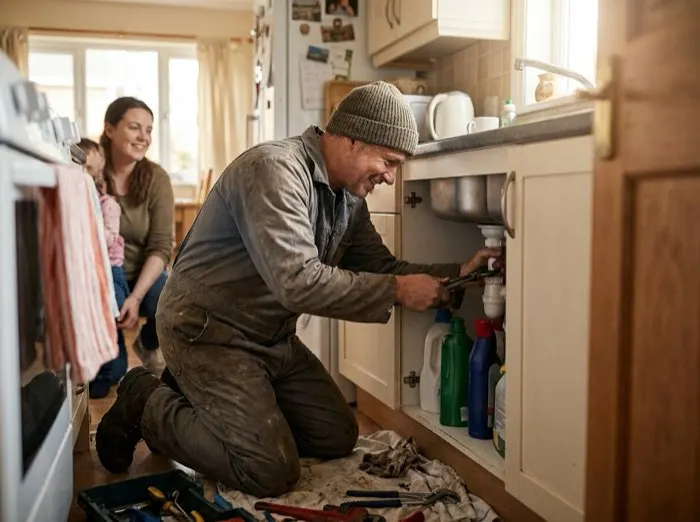
If you are a skilled plumber from outside the European Union, Spain has a growing need for your trade. Construction companies, renovation contractors, and hotel chains across the country are facing a shortage of qualified plumbers. However, getting hired from abroad requires clear steps, specific certificates, and patience with Spanish administrative procedures.
Before you start, here is an honest reality: while plumber demand in Spain is strong, visa sponsorship for non-EU workers involves real paperwork. If your main goal is fast English-speaking recruitment without learning a new language, countries like Germany or the Netherlands might be better targets. But if you already speak some Spanish, hold formal trade experience, or come from a Spanish-speaking country, Spain offers a welcoming place to live and build a long-term career.
Where the Plumber Jobs Are in Spain
Plumbing jobs in Spain are not spread evenly across the country. Hiring is concentrated in major urban centers, fast-growing coastal tourist zones, and key industrial hubs. Knowing where employers are searching helps you target the right regions.
- Madrid Metropolitan Area: The capital region (including suburbs like Getafe, Leganés, and Alcalá de Henares) has constant residential building projects and commercial developments. Contractors here hire plumbers year-round for new pipe installations, heating systems, and building maintenance.
- Barcelona and Catalonia: Catalonia is a major market for both industrial pipefitting and urban renovation. Old apartment buildings in Barcelona constantly require plumbing overhauls, while logistics parks in Martorell and Zona Franca need commercial maintenance technicians.
- Costa del Sol and Málaga: The southern coast sees heavy investment in luxury villas, apartment complexes, and hotel renovations. Demand for plumbers peaks during the pre-tourism renovation season from February to May.
- Valencia and Alicante: These eastern coastal areas have steady residential construction and property upgrades driven by incoming foreign residents and tourism infrastructure.
- Basque Country (Bilbao and San Sebastián): Known for heavy industry, this northern region often seeks specialized pipefitters and industrial plumbers with strong technical qualifications.
Licences, Certificates, and Paperwork You Need
Spanish employers must ensure every worker meets national and regional safety standards. You cannot simply step onto a Spanish construction site with only your home country tools. You will need specific documents and safety credentials.
- Carné de Instalador de Fontanería: This is the official plumber installer card. It is issued by regional government industry departments, such as the Consejería de Industria in Madrid or the Departament d'Empresa i Treball in Catalonia. While basic assistant plumbers may work under supervision, holding this card lets you sign off on official water installations and work independently.
- Tarjeta Profesional de la Construcción (TPC): This safety card is mandatory for anyone working on a construction site in Spain. It proves you have completed the required safety training (Curso de Prevención de Riesgos Laborales), typically a 20-hour certified course run by approved institutions like the Fundación Laboral de la Construcción.
- Homologación or Convalidación: If you hold a formal vocational diploma from outside the EU, you must apply to have it recognized by the Spanish Ministry of Education (Ministerio de Educación y Formación Profesional). This process can take several months, so starting early is important.
- NIE and Work Permit: Your employer applies for your work permit (Autorización de residencia y trabajo por cuenta ajena) at the local immigration office (Oficina de Extranjería). Once approved, you get your Foreigner Identity Number (NIE) and apply for your visa at the Spanish consulate in your home country.
Pay Ranges, Taxes, and Collective Agreements
Salaries in Spain are governed by regional collective bargaining agreements called Convenios Colectivos del Sector de la Construcción. These agreements set the minimum legal pay rates, working hours, and overtime conditions for trade workers in each province.
- Junior Plumber or Assistant: Expect a net monthly salary of €1,200 to €1,400. In smaller provinces, pay sits closer to the lower end.
- Experienced Plumber (Official 1ª or 2ª): A fully qualified installer earning standard rates makes between €1,500 and €1,900 net per month, depending on the region and overtime hours worked.
- Specialized Industrial Pipefitter: High-skilled technicians working in industrial plants or commercial HVAC systems in regions like Madrid, Catalonia, or the Basque Country can earn between €1,800 and €2,300 net per month.
- Extra Payments (Pagas Extra): Under Spanish labor law, workers traditionally receive 14 monthly payments per year (with extra checks in July and December). Many modern contracts prorate these extras into 12 regular monthly payments instead.
- Taxes and Social Security: Your employer deducts social security contributions and income tax (IRPF) directly from your gross salary. Your net pay is what lands in your bank account every month.
Language Requirements and Daily Work Culture
To work effectively as a plumber in Spain, Spanish is essential. Unlike IT or multinational corporate jobs, construction and maintenance sites run entirely in Spanish. You will need to speak with site managers, read blueprints, communicate with suppliers, and explain repair work to building owners.
A conversational level (B1 Spanish) is usually the minimum needed to follow safety instructions and work safely on site. If you are from Latin America, your transition will be much smoother. If you come from South Asia, Central Asia, the Balkans, or West Africa, investing time in basic Spanish before applying will dramatically improve your hiring chances.
Work schedules usually start early in the morning, around 7:30 AM or 8:00 AM. During the hot summer months (July and August), many regions adopt a summer schedule called jornada intensiva, where site work starts very early and finishes by mid-afternoon to avoid extreme heat.
Reality Check: What Workers Get Wrong About Spain
Many foreign tradespeople make false assumptions about moving to Spain for work. Avoiding these simple mistakes will save you time and money.
- Mistake 1: Expecting to work on a tourist visa. Working in Spain on a tourist entry is illegal. Employers cannot register you with Social Security without a valid work permit, and illegal work risks deportation.
- Mistake 2: Thinking English is enough. While tourists speak English in resort towns, your boss, colleagues, and safety inspectors will talk to you in Spanish. You must know trade vocabulary in Spanish.
- Mistake 3: Assuming your home trade licence works instantly. Foreign plumbing certificates are not automatically valid. You must show proof of training or work experience to get local site approvals.
- Mistake 4: Believing visa processing happens in days. Getting a Spanish work visa approval through the official hiring process usually takes between 2 and 5 months from the moment an employer submits the paperwork.
How the Non-EU Hiring Process Works
For an employer in Spain to sponsor a non-EU worker, they usually must check the national labor shortage list (Catálogo de Ocupaciones de Difícil Cobertura) published quarterly by the state employment service (SEPE). If plumbing positions in a specific province are listed as hard to fill, the employer can hire from abroad immediately.
If the job is not listed on the shortage list, the employer must advertise the job locally first. If no qualified Spanish or EU worker applies, SEPE issues a certificate allowing the employer to sponsor your visa.
For citizens of Latin American countries, Spain offers a major benefit: after just two years of legal residency and work in Spain, you can apply for Spanish citizenship. This is significantly faster than the ten years required for most other nationalities.
Put Your Details into Your Workuro Profile
Employers search Workuro to find qualified foreign tradespeople ready for international placement. To make sure European companies can match you to open plumbing jobs, keep your profile updated with complete, real information.
- List your practical skills: Specify if you work with copper, PVC, multilayer pipes, PPR, solar thermal water heaters, or gas installations.
- Add your licences and certificates: State clearly whether you hold a formal plumbing diploma, safety certifications (like TPC training), or any European equivalent documentation.
- Specify your language levels: State your exact level of Spanish, English, or other languages clearly. Be realistic about your speaking abilities.
- Select your target regions: Name the specific Spanish provinces where you want to work, such as Madrid, Barcelona, Málaga, or Valencia.
A complete profile with detailed technical experience and target locations makes it easier for employers in Spain to review your background and reach out directly.
Pronto para ser encontrado?
Crie seu perfil em 2 minutos. Grátis, sem cartão de crédito.
Continue lendo