Roofer Jobs in Greece for Foreign Workers (2026)
 Greece
Roofer Jobs in Greece: What You Need to Know First
Greece has a steady demand for skilled roofers, but it is important to understand the market before planning your move. If your sole goal is to earn the highest possible euro wages in Europe, places like Germany, Austria, or the Netherlands pay significantly higher monthly salaries for trade workers. However, Greece offers steady outdoor construction work, a lower cost of living, and an accessible path for non-EU workers through official permit quotas.
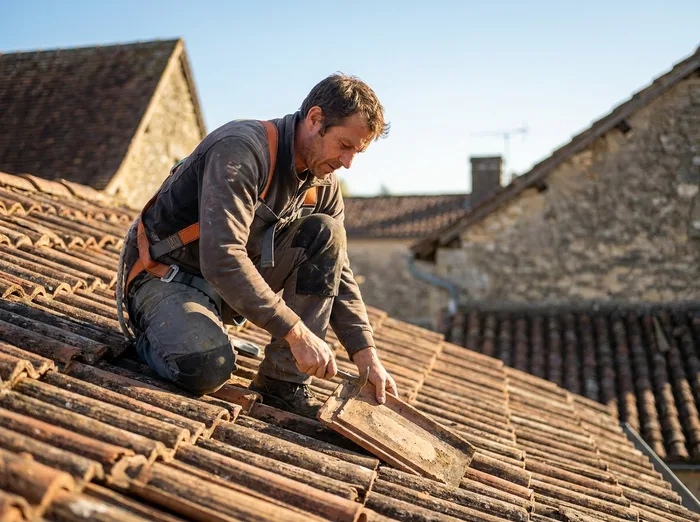
Most roofing work in Greece centers around two specific categories: flat roof waterproofing (known locally as monosi) and traditional ceramic roof tile installation (skepes). Greece has millions of concrete flat-roof residential buildings and commercial hotels that require regular waterproofing to protect against winter rains and intense summer sun. If you have experience applying asphalt membranes, liquid polyurethane coatings, or laying clay tiles, your trade skills are in active demand.
Construction companies across Greece face a shortage of local trade labor as younger workers move into tourism or move abroad. As a result, employers look to recruit qualified workers from outside the EU, including South Asia, Africa, Central Asia, Latin America, and non-EU Balkan countries. To work here legally, you need a sponsored work permit from an employer who invites you through the official government recruitment system.
Where the Work Is: Regions and Cities Hiring Roofers
Roofing opportunities in Greece are closely linked to major urban centers, logistics corridors, and tourism hotspots. Employers recruit roofers across several key regions:
- Attica (Athens Metropolitan Area): The largest market in the country. Older multi-story apartment buildings (polykatoikies) require continuous roof waterproofing and repair. Nearby industrial zones like Aspropyrgos, Elefsina, and Koropi also hire roofing teams for metal panel installation on modern warehouses.
- Central Macedonia (Thessaloniki): Greece's second-largest city has active residential suburban growth and industrial commercial roofing projects in areas like Sindos and Thermi.
- Crete (Heraklion and Chania): The island of Crete sees massive hotel construction and resort renovation activity every year. Roofing contractors on the island recruit staff early in the year to complete projects before tourist season opens.
- South Aegean Islands (Rhodes, Kos, Mykonos, Santorini): High seasonal demand for weatherproofing luxury villas, traditional structures, and major resort complexes ahead of the spring season.
- Peloponnese (Patras and Kalamata): Strong demand for tile roofers and residential timber framing specialists working on private houses, villas, and agricultural structures.
Greek Roofer Wages, Seasons, and Net Monthly Pay
Pay in Greece is set by work contracts registered under the national social security system (EFKA). Income is usually paid monthly or calculated as a daily wage (hemeromisthio).
- Net monthly pay range: A general non-EU roofer or installer can expect to earn between 850 EUR and 1,200 EUR net per month after income tax and social security contributions. Experienced team leads or waterproofing specialists can earn between 1,300 EUR and 1,500 EUR net.
- Daily take-home rates: Roofer helpers usually take home 40 EUR to 50 EUR per day net. Skilled tile roofers and waterproofing torch-on specialists earn between 55 EUR and 75 EUR per day net.
- Seasonal hiring cycle: Hiring peaks in autumn (September to November) as building owners prepare for winter rain, and in early spring (February to May) when hotels prepare for the tourist season. During peak summer heat (July and August), outdoor construction hours are strictly adjusted.
- Heat regulation laws: Greek labor laws prohibit heavy outdoor work, including roofing, during high thermal stress periods (usually between 12:00 PM and 5:00 PM when temperatures exceed 38 degrees Celsius) to keep workers safe.
Visas, Metaklisi, and Legal Requirements
To work legally in Greece as a citizen from a non-EU country, you must follow the official immigration route. You cannot start work on a tourist visa.
- The Metaklisi legal process: The main route for non-EU skilled trades is the Metaklisi system. A Greek employer files a request with the Public Employment Service (DYPA) to hire foreign workers for unfilled trade positions. Once approved, you apply for a National Type D Visa at the Greek embassy in your country.
- Residence and work permit: After entering Greece on your Type D visa, your employer submits your work contract to the Ministry of Migration, and you apply for your official residence permit (Single Permit).
- Tax and social security registration: Your employer will help you get a Greek Tax Number (AFM) and a Social Security Number (AMKA). This ensures your healthcare coverage and pension contributions are paid through EFKA.
- Certificates and trade recognition: Greece does not require formal university accreditation for general roofing labor. However, vocational training certificates from your home country, verified by organizations like EOPPEP or standard trade bodies, allow employers to offer higher starting salaries.
- Safety officer requirements: Employers must assign a certified Safety Officer (Technikos Asfaleias) to every active job site to ensure safety regulations are met.
Language, Safety, and Day-to-Day Roofing Work
Adapting to the local job site environment requires understanding the language and safety rules in Greece.
- Greek language level: You do not need to be fluent in Greek to start working. However, learning key site commands and safety words in Greek within your first few months is important. Site supervisors usually direct daily work in basic Greek mixed with English.
- English language level: Basic or conversational English is very helpful, especially when working on resort builds or with international construction teams in Athens and the islands.
- On-site safety gear: Roofing contractors in Greece must comply with fall protection standards. You will be required to wear safety harnesses on pitched roofs, non-slip boots, safety helmets, and protective gloves during chemical waterproofing application.
Reality Check: Common Mistakes to Avoid
Here are direct facts about common mistakes foreign workers make when looking for roofer jobs in Greece:
- Expecting Western European salary levels: Greek wages reflect local economic conditions. While living costs are lower than in Northern Europe, monthly savings will be more modest than in Germany or Scandinavian countries.
- Trying to legalise after arriving on a tourist visa: You cannot change a tourist visa into a legal work permit while standing inside Greece. The employer invitation process must begin before you travel.
- Focusing only on pitched tile roofs: The largest volume of year-round roofing work in Greek cities involves flat roof concrete sealing (monosi). Knowing how to work with bituminous rolls, primers, and liquid membranes makes you far more hireable.
- Overlooking official contract registration: Never accept work without full EFKA social security registration. Registered employment protects your health coverage and legal residence rights in Greece.
Put Your Details in Your Workuro Profile
Greek employers search the Workuro database to find candidates when applying for official Metaklisi quotas. To help construction companies find your profile quickly, make sure to add your detailed trade experience:
- Specific roofing techniques: Detail your exact hands-on skills, such as torch-on asphalt membrane application, polyurethane coatings, clay roof tile fitting (skepes), timber framing, or metal panel roofing.
- Preferred target regions: Select the specific regions where you are ready to relocate, such as Attica (Athens), Central Macedonia (Thessaloniki), Crete, or the Aegean islands.
- Trade certificates and licenses: Upload clear copies of vocational diplomas, safety training, or trade apprenticeships completed in your home country.
- Language skills: List your actual level of English, Greek, or any other languages you speak.
Keep your Workuro profile complete and up to date so employers in Greece can review your experience and contact you directly for job openings.
Pronto para ser encontrado?
Crie seu perfil em 2 minutos. Grátis, sem cartão de crédito.
Continue lendo