Truck Driver Jobs in Belgium for Foreign Workers (2026)
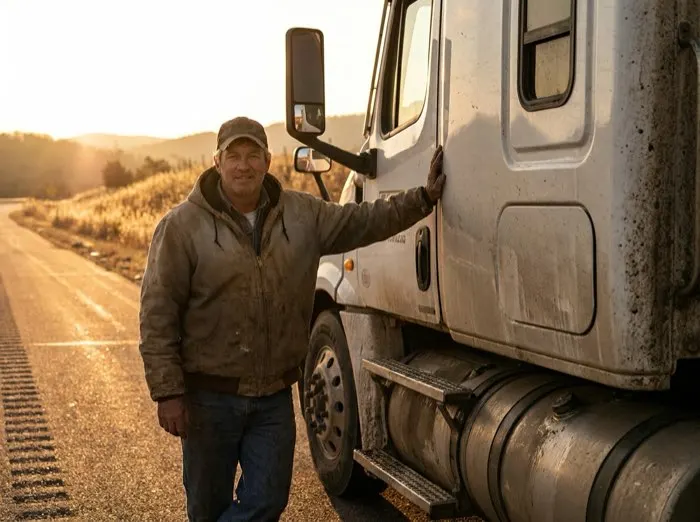
Truck Driving in Belgium: The 2026 Reality for Foreign Workers
If you hold a commercial heavy goods vehicle driver licence and want to work in Western Europe, Belgium is one of the most active transport hubs you can target. The country sits directly in the logistics heart of Europe, connecting major ports to industrial zones in Germany, France, and the Netherlands. Because of this strategic location, Belgian transport companies face an urgent, ongoing shortage of qualified heavy vehicle drivers.
Truck driving is officially classified as a critical shortage occupation in Belgium. In the northern region of Flanders, the public employment service VDAB places heavy goods drivers high on its official shortage list. In the southern region of Wallonia, FOREM reports similar shortfalls. Local haulage companies regularly look beyond the European Union to fill long-distance, port, and regional distribution routes.
As a candidate from outside the EU, whether you come from South Asia, Africa, Latin America, the Balkans, or Central Asia, you cannot simply arrive and start driving. You need a Belgian employer to sponsor your work permit before you travel. The good news is that because the shortage is real, transport companies are willing to sponsor experienced drivers who possess the right qualifications and show a clear professional background.
Where the Jobs Are: Key Belgian Regions and Logistics Hubs
Belgium is small, but its freight volume is massive. Transport demand concentrates in specific industrial and logistics areas where haulage fleets operate daily.
- Port of Antwerp-Bruges (Flanders): One of the largest container ports in the world. Transport companies here constantly hire CE category drivers for container shuttle transport, port-to-warehouse drayage, and cross-border container hauling.
- Ghent and the North-South Corridor (Flanders): Ghent is a major logistics hub for automotive, bulk, and general cargo, situated along the key motorway links toward France and the Netherlands.
- Limburg and Genk (Flanders): Located near the Dutch and German borders, this region is packed with massive European distribution centres, automotive logistics parks, and fast-moving consumer goods fleets.
- Liège Logistics and Airport Hub (Wallonia): Liège is a top European air freight hub and inland river port. Fleets based around Liège specialize in express air cargo transport, night freight, and long-distance routes into Germany and France.
- Zeebrugge Coastal Hub (Flanders): A primary hub for roll-on/roll-off cargo, ferry transport to the United Kingdom, and automotive transport.
Licences, Code 95, and Qualification Rules
To drive a heavy goods vehicle in Belgium, having a basic driver licence from your home country is only the first step. You must understand the legal qualification system enforced by the Belgian Federal Public Service Mobility and Transport (FOD Mobiliteit / SPF Mobilité).
- Category C and CE Licences: Category C permits you to drive rigid trucks over 3,500 kg. Category CE permits you to drive articulated vehicles and tractor-trailers, which represent the vast majority of international transport jobs in Belgium.
- Code 95 (Driver CPC): Every commercial driver in the European Union must hold the Code 95 qualification (Certificate of Professional Competence). If you earned your commercial licence outside the EU, your Code 95 is usually not recognised automatically. You will need to complete mandatory initial qualification or recognized periodic training hours and exams in Belgium to have Code 95 endorsed on your local licence.
- Digital Tachograph Driver Card: You must hold a valid digital driver card to record driving times and rest periods under EU law. In Belgium, these cards are issued through the Belgian Road Transport and Logistics Institute (ITLB).
- Medical Examination: Before driving commercially, you must pass a medical fitness examination (attest van medische geschiktheid) conducted by an accredited medical centre in Belgium.
- ADR Certificate (Optional but Valuable): If you hold an international ADR certificate for carrying hazardous materials, your hiring chances and wage potential increase significantly, particularly in the chemical clusters around Antwerp.
Pay, Allowances, and Working Hours
Pay conditions for truck drivers in Belgium are legally regulated by collective bargaining agreements. In Belgium, road transport falls under Joint Committee 140.03 (Paritair Comité 140.03 / Commission Paritaire 140.03), which sets minimum hourly wages, overtime rules, and obligatory allowances across the transport sector.
- Gross Base Hourly Wage: Transport drivers fall into specific pay scales based on vehicle type and task complexity. Minimum gross base wages generally range from €14.50 to €16.50 per hour for standard driving hours.
- Net Daily Allowances: A significant portion of a driver's total monthly income comes from non-taxed daily subsistence allowances (verblijfskosten / indemnités de séjour). These compensate for meals and time away from home, adding between €40 and €65 per full daily shift or overnight stay.
- Overtime and Night Bonuses: Driving hours beyond standard limits, weekend shifts, and night driving carry mandatory extra percentage surcharges under Joint Committee rules.
- Typical Net Monthly Pay: After taxes, social security contributions, and including tax-free daily allowances, a full-time international or long-distance C/CE driver in Belgium realistic net income usually ranges between €2,200 and €2,800 per month. Local shuttle drivers working strict daytime hours may earn slightly less, while international drivers doing regular overnights earn toward the higher end.
- Hiring Cycles and Seasonality: While haulage companies recruit year-round due to structural shortages, hiring surges occur during late spring and early autumn ahead of peak consumer logistics periods.
Work Permits and Language Requirements
Foreign drivers from non-EU countries must follow a specific administrative pathway to live and work legally in Belgium.
- The Single Permit Route: Belgium uses a combined work and residence authorization known as the Single Permit (Gecombineerde vergunning / Permis unique). Your Belgian employer must initiate this application on your behalf with the regional employment authority (VDAB in Flanders, FOREM in Wallonia).
- Processing Timeline: Once the employer submits a complete contract and application, regional processing and federal immigration approval typically take between 3 and 5 months. You must wait for approval in your home country before traveling.
- Language Requirements on the Road: You do not need to be fluent in Dutch or French to secure a driving job, but basic working knowledge is essential. In Flanders and around Antwerp, English is widely spoken in dispatch offices and port terminals. In Wallonia and around Liège, basic French is necessary. Being able to read road signs, shipping documents (CMR consignment notes), and terminal instruction screens in English, Dutch, or French is mandatory for daily safety.
Reality Check: Common Mistakes Foreign Drivers Make
- Expecting to drive immediately on a foreign licence: Non-EU licences must be exchanged or validated according to Belgian rules, and you must obtain your Code 95 qualification before driving independently.
- Assuming you can apply for the work permit yourself: You cannot apply directly for a Belgian Single Permit as an individual driver. Only an established Belgian employer can submit the application for you.
- Confusing base gross pay with take-home pay: Base hourly rates in transport may look modest on paper, but net daily tax-free allowances for meals and overnights form a large part of your actual bank deposit every month.
- Neglecting basic language preparation: While you do not need perfect grammar, failing to understand basic safety instructions or shipping documents in English, Dutch, or French can prevent employers from passing your probationary period.
- Ignoring regional differences: Flanders and Wallonia handle work permits and language rules through separate regional offices. Knowing which region your potential employer is based in matters for paperwork and daily communication.
Build Your Workuro Profile for Belgian Employers
Belgian haulage companies actively search for qualified heavy vehicle drivers who are ready to take the necessary legal steps to relocate. To make your profile visible to Belgian employers on Workuro, make sure you include your precise details:
- Exact Licence Categories: Clearly list whether you hold a Category C or Category CE licence, the date it was issued, and how many years of active driving experience you have.
- Certificates and Cards: Note any specialized qualifications you hold, such as an ADR certificate for dangerous goods, tanker endorsements, or existing European Code 95 qualifications if you previously held one.
- Language Proficiency: State your actual practical level in English, Dutch, French, or German. Even basic functional language skills make your profile stand out.
- Target Regions: Mention your openness to working in key Belgian transport zones like Antwerp, Ghent, Genk, or Liège.
When you complete your Workuro profile with exact details, Belgian transport employers searching the registry can review your background and contact you directly to discuss job offers and work permit sponsorship.
Pronto para ser encontrado?
Crie seu perfil em 2 minutos. Grátis, sem cartão de crédito.
Continue lendo