Bus Driver Jobs in Europe for Foreign Drivers (2026)
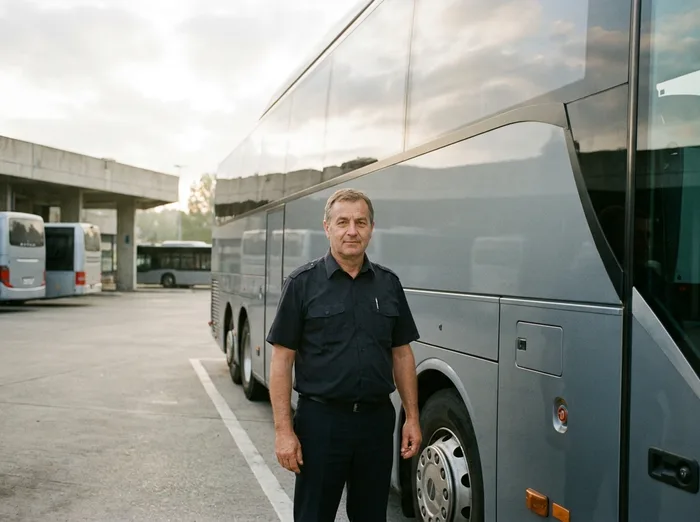
 Europe
Europe's bus driver shortage is arguably even sharper than the truck shortage. Public transport operators from Germany to the Nordics have cut timetables for lack of drivers, the workforce is older than almost any other profession, and city transit cannot be offshored. That combination has pushed municipal operators and coach companies - traditionally very local employers - to recruit from outside the EU.
What you need: D licence and Code 95
Professional bus driving requires a category D (or D1/DE) licence plus the certificate of professional competence, Code 95, same framework as trucks: an initial qualification, then 35 hours of periodic training every five years.
- Licence exchange is the same country-by-country puzzle as for trucks, and D categories are excluded from many bilateral agreements even more often than C. Expect re-testing in most northern European countries.
- Minimum age for bus driving is generally 21-24 depending on route length and country rules.
- Some operators - especially German city transit companies - now run full sponsored programmes: they hire abroad, finance the D licence and Code 95 locally, and train you on their own vehicles. These employer-financed routes are often the realistic entry, since few foreign drivers arrive with exchangeable D categories.
Where demand is strongest
- Germany: municipal transit operators (city buses) recruit internationally and drivers count as a shortage occupation under the skilled immigration rules; regional bus companies serving rural networks are equally starved.
- Netherlands, Belgium, Austria: transit and regional operators report chronic gaps; employer-led single-permit routes apply as for trucks.
- Nordics: high pay, strict licensing; operators in Sweden and Norway have hired abroad, often with in-house training.
- Coach tourism (Spain, Portugal, Alpine countries, city-to-city lines like long-distance coach networks) hires seasonally and year-round - more travel, different rhythm than city work.
Pay expectations
As rough 2026 guides, gross monthly pay for city bus drivers typically runs around 2,800 to 3,600 euros in Germany and Austria (with shift supplements), higher in the Nordics, around 2,400 to 3,000 euros in the Netherlands and Belgium under collective agreements, and lower in southern Europe - roughly 1,400 to 2,200 euros in Spain and Portugal, more in coach tourism with allowances. Shift work supplements (early, late, weekend) are a substantial part of transit income everywhere. Hedged estimates - collective agreements set the real numbers.
The language difference
Here buses differ fundamentally from trucks: you carry passengers. Operators require working local language ability - typically around B1 - for safety announcements, ticket questions and incidents. Many sponsored programmes include language training, but be realistic: this is a bigger hurdle than for freight driving, and it shapes which country you should target. If you already speak German, Dutch or Swedish at a conversational level, your value jumps.
City transit vs coach: choose your life
- City/regional transit: shift work including early mornings and weekends, but home every day, stable municipal employment, pensions and union protection.
- Coach/tourism: multi-day tours, seasonal peaks, nights away, often better summer earnings - closer to trucking's rhythm.
Work permits follow each country's employer-led routes - the same systems described in how EU employer sponsorship works. And the standing warning: nobody legitimate charges you for a job offer or a training place with a "guaranteed" visa; genuine sponsored programmes cost the applicant little or nothing.
How sponsored transit programmes actually work
The employer-financed route deserves detail because it is how most foreign bus drivers realistically enter. A typical German municipal programme looks like this: remote interviews and a language assessment, a binding employment contract conditional on training, relocation support, several months of paid or subsidised D-licence and Code 95 training locally, then supervised route familiarisation before solo driving. In exchange, contracts usually bind you to the operator for a period or claw back training costs if you leave early - read that clause carefully, but understand it is normal, not predatory. Candidates with clean records, any professional driving history and demonstrated language progress are the ones these programmes select.
This is general information, not legal advice. Licensing and permit rules vary by country and change - check the destination country's licensing authority and immigration service, or eures.europa.eu for an overview.
Transit operators and coach companies increasingly search international candidate pools directly. Create your free profile on Workuro - free, no credit card, employers contact you directly. Create your free profile and let them find you.
Ești gata să fii găsit?
Creează-ți profilul în 2 minute. Gratuit, fără card bancar.
Continuă lectura