Fish and Seafood Processing Worker Jobs in Slovakia (2026)
 Slovakia
Welcome to our guide for 2026. If you are looking for fish and seafood processing jobs in Slovakia as a foreign worker, we need to start with an honest fact: Slovakia is a landlocked country in Central Europe with no sea coastline. Because of this, the seafood processing industry here is much smaller than in coastal nations like Poland, Norway, Spain, or the Netherlands. If your primary goal is to find thousands of open seafood factory jobs, Poland or Norway are far better targets for you.
However, Slovakia does have a steady, specialized fish processing sector. It relies on inland freshwater fish farming, imported ocean fish packaging, and famous regional products like cold fish salads. There is also a sharp seasonal spike every autumn and winter for freshwater carp processing. If you want to work in Central Europe and enjoy structured factory environments, Slovakia offers legitimate pathways for non-EU workers from South Asia, Africa, Latin America, Central Asia, and the Western Balkans. In this guide, we will break down where the jobs are, what you will earn, and how to get your paperwork sorted.
Where the Jobs Are in Slovakia
Fish and seafood processing in Slovakia is concentrated in specific industrial hubs and logistics zones near major transport routes. You will not find work scattered across every town, so you must target these specific locations:
- Žilina Region: Žilina is home to historic fish processing operations that produce popular fish salads, smoked fish, and processed seafood spreads. Factories here operate year-round and hire production line operators, trimmers, and packaging staff.
- Košice Region: Eastern Slovakia, particularly around Košice and Prešov, hosts major food production facilities that process imported frozen fish fillets, herring, and ocean seafood for supermarket chains across Central Europe.
- Bratislava and Senec Logistics Hubs: The region surrounding Bratislava and Senec is the logistics heart of Slovakia. Massive cold-storage warehouses and high-speed packaging centers operate here, preparing pre-packaged seafood portions for retail delivery.
- Dunajská Streda and Southern Slovakia: This area features inland aquaculture farms that raise carp, trout, and catfish. Processing units here require seasonal and full-time hands for gutting, cleaning, and packing live and fresh fish.
What You Will Do and Earn
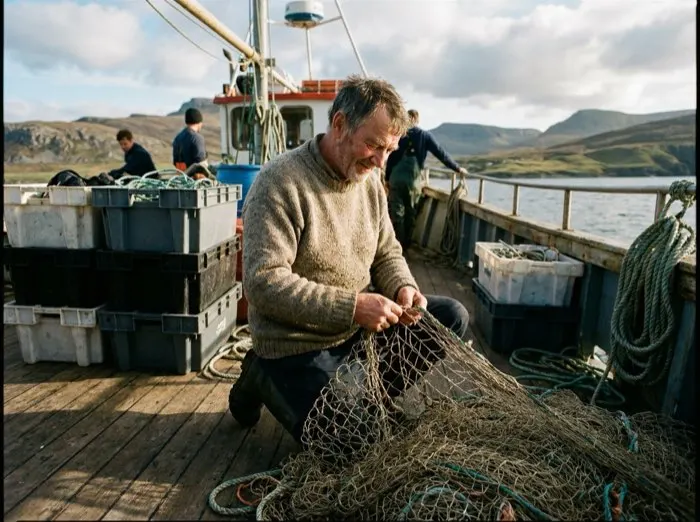
Work in a fish processing plant is physically demanding and repetitive. Your day will involve standing at a conveyer belt, handling cold raw fish, gutting, descaling, filleting, weighing, sorting, or applying brine and marinades. You might also operate vacuum-sealing machinery or stack crates in cold storage units.
The working environment is kept cold, usually between 4 and 8 degrees Celsius, to keep the food fresh. Employers supply thermal protective gear, aprons, and boots, but you must be prepared for low temperatures and wet conditions throughout your shift.
- Monthly Net Pay: In 2026, a standard entry-level fish processing worker in Slovakia can expect a net take-home pay ranging from 720 EUR to 950 EUR per month after tax and social security deductions.
- Shift Allowances: Your base salary increases when you work night shifts, weekend shifts, or extra hours. Slovak labor regulations mandate legal bonuses for late-night work and cold-environment conditions, which can add 100 EUR to 200 EUR extra to your monthly check.
- Accommodation: Many food processing employers offer company-arranged housing in worker dormitories (ubytovňa). In many cases, the employer subsidizes part or all of the housing cost, leaving you with lower living expenses.
- Seasonal Cycles: While frozen fish packaging runs all year, freshwater fish processing has a dramatic seasonal rush from October through December. This is due to the Central European tradition of eating carp for Christmas dinner. During these months, factories hire heavily and offer maximum overtime.
Mandatory Certificates and Language Requirements
Working with raw food in Slovakia comes with strict public health regulations controlled by state authorities. You cannot start work on a factory floor without fulfilling specific health requirements.
- Food Handler Certificate (Potravinársky preukaz): This is a mandatory health card issued in Slovakia by a registered general practitioner. To get it, you must undergo a quick medical check, including a swab or stool test, to prove you carry no communicable diseases like Salmonella. Employers usually help you schedule this appointment upon arrival.
- Language Expectations: You do not need fluent Slovak to get an entry-level processing job. Most basic instructions are taught visually. A basic A1 level of Slovak is helpful for daily life, but on the factory floor, clear understanding of basic safety signs in English, Russian, or simple Slovak is usually sufficient. Team leaders often speak basic English or translation apps are used during onboarding.
- Formal Qualifications: You do not need a university degree or an officially recognized trade diploma for general processing jobs. Previous experience in meat cutting, culinary preparation, or factory assembly is a strong advantage, but entry-level workers receive on-the-job training.
Work Permits and Visa Steps for Non-EU Workers
To work legally in Slovakia as a citizen from outside the European Union, you must secure a formal residence and work permit. You cannot work on a standard tourist visa or a visa issued by another Schengen country.
- Employer Vacancy Registration: Before hiring you, your Slovak employer must report the job opening to the local Labour Office (Úrad práce, sociálnych vecí a rodiny). The position must stay listed for 15 working days to check if any Slovak or EU citizen is available to fill it.
- Single Permit Application: Once the 15-day period passes, the employer sends you an official job offer or contract. You then apply for a Temporary Residence for Employment (Prechodný pobyt na účel zamestnania) at the Slovak embassy in your home country or directly at the Foreign Police (Cudzinecká polícia) in Slovakia if you enter legally.
- Shortage List Advantage: Certain regions in Slovakia include general food industry operators on their regional shortage lists. When a job is on this list, the administrative wait time at the Labour Office is shorter.
- Processing Timeline: The entire process, from your first interview to holding your legal residency card, generally takes between 3 and 5 months. Never travel to Slovakia without a confirmed appointment and official approval.
Reality Check: What People Get Wrong
- Myth: Slovakia has ocean fish factories everywhere. Reality: Slovakia is landlocked. Most factories process imported frozen seafood or local freshwater fish like trout and carp.
- Myth: You can arrive on a tourist visa and start working immediately. Reality: Working without a Single Permit or proper employment residence is illegal and leads to deportation and entry bans across the Schengen zone.
- Myth: The work is warm and comfortable. Reality: Food safety rules keep processing rooms cold and wet. You will spend 8 hours a day standing in cold temperatures.
- Myth: You must speak fluent Slovak before applying. Reality: Basic communication and a willingness to learn basic work commands are enough to start in entry-level processing roles.
- Myth: You must pay an agent to secure your permit. Reality: The employer submits the labor filings directly with the Slovak government authorities.
Build Your Workuro Profile to Get Found by Employers
Slovak food processing companies and international recruiters actively search for reliable foreign workers who are ready to relocate. To make sure employers can evaluate you quickly, your profile needs to highlight the exact details they look for.
Log into Workuro and update your profile today with these specific details:
- Target Regions: Select Slovakia as a target country, and list key industrial regions like Žilina, Košice, Prešov, Senec, or Dunajská Streda.
- Relevant Experience: Mention any past work in fish processing, butchery, meat packing, cold storage, or general conveyor line work.
- Certificates and Health Status: State clearly if you have held a food safety certificate in another country or if you are ready to pass the Slovak health check (Potravinársky preukaz) upon arrival.
- Language Skills: List your exact language abilities, including your English level, Russian, or any basic Slovak words you know.
- Availability: Clear operational details, such as how fast you can secure a police clearance certificate from your home country, help employers pick your profile first.
By keeping your Workuro profile complete and accurate, you put your skills directly in front of Slovak employers searching for dedicated processing workers in 2026.
Ești gata să fii găsit?
Creează-ți profilul în 2 minute. Gratuit, fără card bancar.
Continuă lectura