Working in Malta from South Africa: Visa, Permit, Costs (2026)

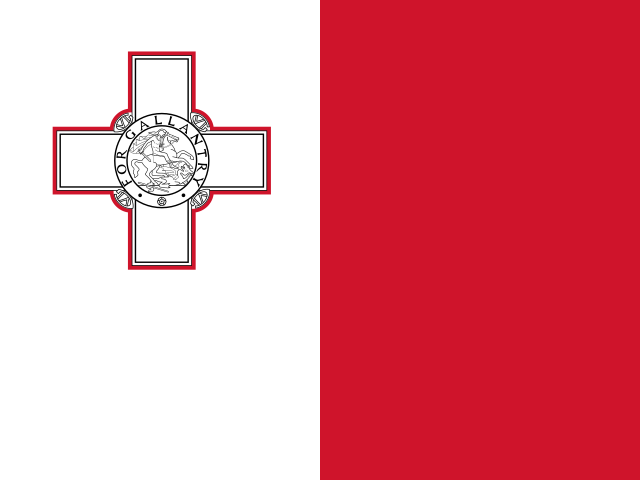 Malta
The permit route that actually applies to you
Malta's route for non-EU workers is the single permit, processed through Identita, the government agency that handles both the work authorisation and the residence side in one application. For a South African going into construction, hospitality, warehouse or care work, this is the route that applies - Malta has no separate scheme built for these trades specifically. The employer in Malta has to apply first, typically after showing the vacancy was open to EU candidates, and then names you in the single permit filing. There is no way to begin this process from South Africa without an employer already committed.
Malta is a genuinely reasonable target for a South African worker, helped by a long-standing Maltese community in South Africa and a shared use of English in daily life, which makes settling in easier than in most EU countries. The limiting factor is simply Malta's size - it's a small island with a correspondingly small intake of non-EU workers each year, so real openings depend on a specific employer actively hiring rather than a broad national quota you can count on. Word of mouth through the existing Maltese-South African community can be a genuinely useful way to find a real opening, so it's worth asking around rather than relying only on online job boards. It's also worth checking whether the employer has sponsored South African workers before, since a company with that track record will usually be far more familiar with the single permit paperwork and less likely to cause delays on their end.
Where and how you apply
Malta maintains a High Commission in Pretoria, reflecting the size of the Maltese community in South Africa, so this is generally where South Africans lodge their entry visa application once Identita has approved the employer's single permit filing. Confirm current appointment availability and required documents directly with the High Commission before booking biometrics. After you arrive in Malta on the approved visa, you complete local registration and are issued the physical single permit card.
Documents, costs and timelines
You'll typically need a signed employment contract, a passport valid well beyond the planned stay, a police clearance certificate from South Africa, proof of your trade qualification or relevant work history, and health insurance covering your early weeks before Maltese cover applies. South Africa is a member of the Hague Apostille Convention, so your police clearance and civil documents only need an apostille from the relevant South African authority rather than full consular legalisation, which keeps this part of the process comparatively simple.
Identita's fees and visa processing times are set by the Maltese government and do change, so confirm current figures directly with Identita or the High Commission rather than relying on older information. On your own side, budget roughly ZAR 1,000-3,000 (about EUR 50-150) for the police clearance and apostille combined, additional costs for certified translation if needed, and your flight, which varies by season and how far ahead you book.
The employer in Malta is expected to bear the cost of recruiting and hiring you - you should never be charged a fee just to get the job itself. Be wary of South African Facebook groups or informal contacts offering 'guaranteed' Malta work placements for an upfront payment, especially those that can't name a real, verifiable employer or Identita application reference. Ask for the Maltese company's registration details and check them yourself through Malta's official business registry before sending money for anything described as a 'placement' or 'processing' fee.
Malta's single permit typically runs for the length of your contract, often up to a year, and can be renewed as long as you stay with the approved employer or move to a new one through a fresh application. If your job ends sooner than planned, you generally have a limited window to find new approved work before your permission to remain expires, so keep every Identita document and track your exact deadline.
Jobs Malta is actually hiring foreigners for
Construction remains a steady source of non-EU hiring as building activity across the island continues at pace. Hospitality and tourism roles - in kitchens, housekeeping and front-of-house positions - take on foreign staff heavily, especially through the busier months. Care work for Malta's ageing population has also become a growing route for workers willing to train into caregiving roles. Manufacturing and light industrial roles have also grown as a source of foreign hiring, often alongside the seasonal surge in tourism demand each year.
Myths vs facts
Myth: Because so many Maltese have South African roots, getting a Malta work visa is informal and easy.
Fact: the single permit process through Identita is the same formal procedure for every applicant, ties or no ties.
Myth: English being widely spoken in both countries means the job search itself will be quick.
Fact: the shared language helps once you're there, but Malta's small non-EU intake still makes real openings competitive.
Myth: You can arrive on a tourist visa and sort the permit out once you're in Malta.
Fact: the single permit and entry visa must be arranged before travel, tied to a confirmed employer.
Myth: South African documents need full legalisation since the distance is so great.
Fact: South Africa is in the Apostille Convention, so an apostille is enough and legalisation isn't required.
Before you sign
Malta's rents have risen quickly in recent years, something that often surprises South Africans who expect a small Mediterranean island to be cheap to live on. Many employers arrange or subsidise shared housing for foreign staff in hospitality and construction, so ask exactly what you'll take home after any deduction before you commit. Travel with a small savings buffer in case your first paycheck is delayed.
- Confirm Identita has the employer's actual single permit filing, not just a verbal offer.
- Get your police clearance apostilled early so it's ready when the employer's application comes through.
- Insist on a written contract with salary, hours and job title before spending on translations or travel.
- Verify the Maltese employer independently through the official business registry.
- Ask plainly who covers recruitment and permit costs - it should be the employer, not you.
Put this on your Workuro profile
Put the real specifics on your Workuro profile once your plan is concrete: the single permit as your target route, your apostilled documents ready under South Africa's Apostille Convention status, and clear detail on construction, hospitality or care experience rather than a generic list. A profile that shows you've already done this homework stands out to Maltese employers used to vague, unprepared applications. Workuro is free for workers - employers pay to search the register, and nobody may charge you for a job.
Ești gata să fii găsit?
Creează-ți profilul în 2 minute. Gratuit, fără card bancar.
Continuă lectura