Painter and Decorator Jobs in Malta for Foreign Workers (2026)
 Malta
MaltaPainting and Decorating in Malta: The 2026 Job Market
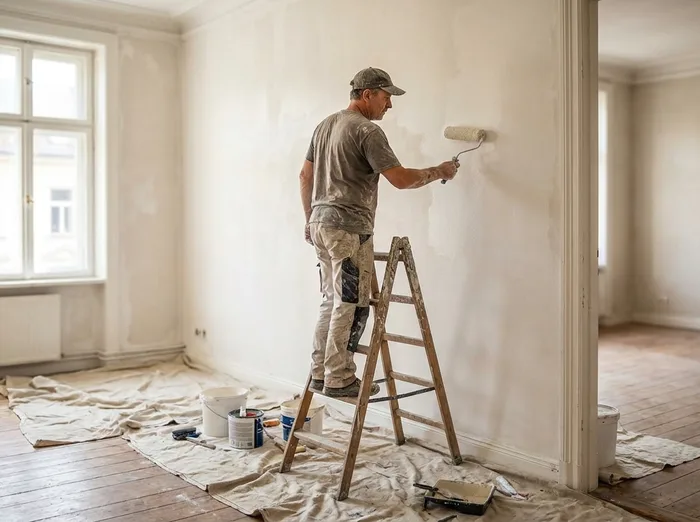
If you are a painter and decorator from outside the European Union, Malta offers steady opportunities in construction, hotel refurbishments, and property maintenance. The Maltese economy relies heavily on tourism and building development, which means properties need regular painting and finishing to withstand the Mediterranean climate. Sea air, high humidity, and intense summer sun cause constant wear on limestone buildings, creating consistent work for skilled trade workers.
While general labor is easy to find, reliable painters who know how to prepare coastal surfaces, apply specialized exterior coatings, and perform clean interior plastering are always in demand. The job market is stable rather than huge. Malta is a small island nation, so painting contractors often prefer workers who can handle multiple finishing tasks, such as plastering, drywall taping, and basic decorative painting.
As a non-EU worker from South Asia, Africa, Central Asia, or the Balkans, you cannot simply arrive and start work. You need a job offer from a licensed Maltese business, which then submits a Single Permit application on your behalf. Understanding how this process works will give you a clear advantage over candidates who do not know the local requirements.
Key Regions and Hiring Seasons Across the Islands
Work for painters and decorators in Malta is concentrated in specific industrial hubs, commercial districts, and tourist zones. When searching for employers or describing where you want to work, keep these main regions in mind:
- Northern Harbour District (Sliema, St Julian's, Gzira): This is the heart of Malta's hotel and entertainment industry. Pre-season maintenance creates high demand here as hotels, restaurants, and luxury rental apartments repaint their facilities before tourists arrive.
- Central Commercial Hubs (Birkirkara, Qormi, Mosta): These large towns host major commercial contractors, trade supply stores, and logistics warehouses. Painting and finishing subcontractors based here work on commercial projects across the island.
- Northern Tourism Zones (St Paul's Bay, Bugibba, Mellieha): These coastal areas have hundreds of holiday apartments and seasonal hotels that need interior repainting and exterior weatherproofing every year.
- Gozo (Victoria, Marsalforn): Malta's sister island has a smaller market focused on traditional farmhouse renovations, boutique hotels, and residential residential projects. Demand is lower, but competition is also light.
The hiring cycle in Malta has a clear seasonal rhythm. The peak hiring period for hospitality finishing work starts in late winter and runs through early spring (February to April). Hotel owners rush to finish upgrades before the summer rush begins in May. Commercial building projects and residential renovations run year-round, though outdoor painting slows down during the hottest summer weeks of July and August due to high temperatures.
Permits, Skill Cards, and Formal Qualifications
To work legally as a painter in Malta, you must navigate specific government agencies and approval systems. Your Maltese employer handles the primary work permit paperwork, but you must provide the correct documents to support your application.
- Identità Single Permit: This combined work and residence permit allows non-EU citizens to live and work in Malta legally. Your employer applies online through the Identità portal while you are still in your home country.
- Jobsplus Labour Market Test: Before hiring from outside the EU, your employer must register the vacancy with Jobsplus (Malta's public employment agency) to prove that no suitable Maltese or EU candidate applied.
- BCA Skill Cards: The Building and Construction Authority (BCA) requires site workers to hold an official Skill Card. For painters and decorators, this card proves you understand site safety, surface preparation, and trade practices. You will complete basic safety training upon arrival to receive this card.
- MQRIC Recognition: If you hold trade diplomas or vocational certificates from your home country, you may need to submit them to the Malta Qualifications Recognition Information Centre (MQRIC). They check if your qualification matches European standards.
- Language Level: English is an official language in Malta and is the standard language used on construction and finishing sites. You do not need formal language test certificates like IELTS, but you must be able to speak and understand direct spoken instructions from site supervisors in plain English.
Pay Rates and Living Costs for Foreign Decorators
Understanding what you will earn net (money in your bank after taxes and social security) helps you plan realistically before moving to Malta. Wages in Malta are paid in Euros (€).
- Entry-Level Painters: Less experienced painters or general finishing workers typically earn between €1,000 and €1,200 net per month for a standard 40-hour work week.
- Skilled Decorators and Spray Painters: Experienced trade specialists who can handle spray systems, damp treatment, and fine decorative work earn between €1,200 and €1,500 net per month.
- Overtime Opportunities: Finishing contractors often offer weekend or evening overtime before major project launches or hotel openings, which can add €150 to €300 per month to your total pay.
Your main living cost in Malta will be accommodation. Renting a full apartment on your own can cost between €700 and €1,000 per month, which is too high for a single worker. Most foreign trade workers share a flat with colleagues, paying between €300 and €450 per month for a private or shared bedroom. Public transport is free for foreign residents once you register for a personalized Tallinja bus card, which keeps monthly travel costs very low.
Reality Check: Common Misconceptions About Painting Jobs in Malta
Here are four things that many foreign workers misunderstand about moving to Malta for painting work:
- Myth 1: You can start work on a tourist visa. Working on a short-term tourist visa is illegal in Malta. Employers who offer this face steep fines, and workers risk deportation. You must wait for your Identità Single Permit approval before working.
- Myth 2: Interior house painting is enough to secure a visa. Maltese employers rarely bring workers from abroad for basic wall painting alone. You are far more likely to get hired if you also have skills in plastering, drywall finishing, or protective exterior coatings.
- Myth 3: Employers will cover all your living expenses. While some large contractors provide basic housing during your first month, most expect you to pay your own rent and buy your own food from your monthly wages.
- Myth 4: You do not need to speak English. Site managers, safety officers, and clients in Malta communicate in English. If you cannot follow basic written and spoken instructions, employers will not retain you.
Step-by-Step Pathway to Getting Hired
Landing a job as a non-EU painter requires a clear, organized approach. Follow these practical steps to stand out to prospective employers:
- Step 1: Document your skills. Take clear, well-lit photos and short videos showing you preparing surfaces, using spray equipment, or applying clean finish coats. Put together a digital portfolio on your phone.
- Step 2: Format your CV for Europe. Keep your resume clean and concise. Highlight specific trade skills such as surface prep, plastering, spray painting, anti-damp treatments, and scaffolding safety.
- Step 3: Register on Workuro. Add your experience, photos of past work, and specific preferences to your profile so Maltese employers can search for your trade skills.
- Step 4: Secure an approval in principle. Once an employer chooses you, they submit your Single Permit file to Identità. When approved, you receive an official Approval in Principle letter.
- Step 5: Apply for your entry visa. Take your approval letter to the nearest Maltese embassy or VFS Global visa center in your home region to obtain your entry visa.
Build Your Workuro Profile for Maltese Employers
When you create your profile on Workuro, detailed entries help verified employers in Malta find you quickly when they are searching for available talent. Do not just write "painter" in your headline; list the specific trade skills and terminology used across the Maltese construction industry.
Mention your experience with surface preparation, exterior limestone treatment, airless spray painting, and interior drywall plastering. Include the regions in Malta where you are willing to work, such as Sliema, Birkirkara, or Qormi. State clearly that you are ready to complete the BCA Skill Card safety requirements and that you speak conversational English. Adding clear pictures of finished painting jobs directly to your profile gives Maltese contractors immediate proof of your work quality.
Ready to be found?
Create your profile in 2 minutes. Free, no credit card.
Keep reading