Working in Slovenia from Algeria: Visa, Permit, Costs (2026)

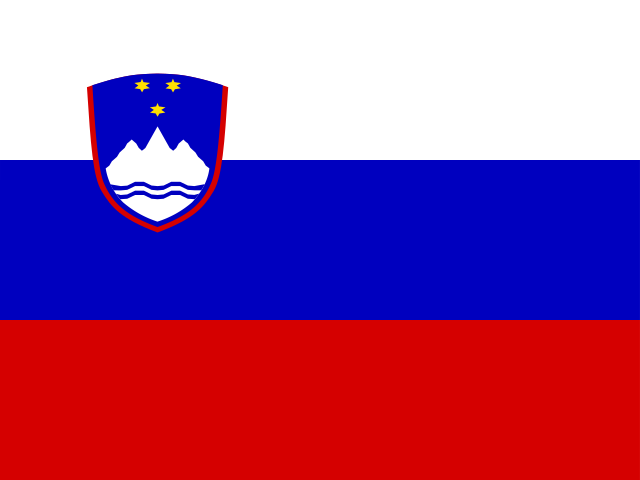 Slovenia
Is Slovenia a realistic target from Algeria?
Slovenia is a small country with a correspondingly small intake of non-EU workers, and right now very few Algerians use this particular route. Algeria's strongest labour ties in Europe run through France, where the language, the diaspora and decades of recruitment history make the whole process faster and better understood on both sides. If your priority is simply getting a legal job in Europe as fast as possible, weigh Slovenia against France honestly before committing time to either.
That said, Slovenia does need workers in construction, logistics and manufacturing, and the process is not closed to you. It is just slower, smaller in scale, and unlikely to involve anyone who speaks Arabic or French at the Slovenian end, so plan for more paperwork friction than you might face elsewhere.
The permit: enotno dovoljenje
Slovenia uses a single permit for residence and work (enotno dovoljenje za prebivanje in delo), which combines your right to live and work into one document. The Employment Service of Slovenia (Zavod RS za zaposlovanje, often shortened to ZRSZ) reviews the labour market side, usually through a test showing no suitable Slovenian or EU candidate was available, unless the role sits on the shortage occupation list.
- Employer applies first, through the administrative unit (upravna enota) handling the application, in coordination with the Employment Service.
- Shortage list exceptions: construction trades, drivers, metalworkers and welders are regularly included, which skips the labour market test.
- Visa step: once approved, you apply for a type D visa at the embassy or visa centre to travel, if your passport needs one.
Right now, Slovenian employers are genuinely hiring from outside the EU in a few clear categories: construction and civil works trades, warehouse and logistics roles tied to Slovenia's position on major European freight routes, and metal and automotive component manufacturing, which has a long history in the country. No wage is promised in any of these, but they are where a real application has a chance.
Where you apply and the documents you'll need
Slovenia keeps a small embassy network, and it does not maintain one in Algeria. Use the nearest Slovenian embassy or visa centre serving Algeria, or check whether another Schengen state currently handles Slovenian visa applications in your region - this kind of representation arrangement is common for smaller EU states and can change, so confirm directly with Slovenia's Ministry of Foreign Affairs rather than relying on an old listing.
You will typically need a signed employment contract, a valid passport, a police clearance (extrait du casier judiciaire) from Algeria, proof of your trade qualifications or work history, and valid health insurance. Algeria is not part of the Hague Apostille Convention, so your documents need full consular legalisation rather than a simple apostille - this generally means a stop at the Algerian Ministry of Foreign Affairs before the embassy stage, and it takes real time, so start early.
What this actually costs
The Schengen visa fee is approximately 80 to 90 EUR, fixed at EU level and liable to change, so confirm the figure before paying. Slovenia's own single permit fee is set by the administrative unit handling your case - ask your employer or the relevant office for the current amount rather than guessing.
On the Algerian side, budget roughly for your police clearance, a medical certificate, translation into English or Slovenian, and legalisation fees - together this might run somewhere around 8,000 to 20,000 DZD at the official exchange rate, roughly 55 to 135 EUR, though the dinar's rate varies and this is only a rough planning figure. Flights from Algeria to Slovenia usually involve at least one connection and vary a great deal by season, so price that separately.
In Slovenia, as in most EU countries, an employer or agency is not allowed to charge you for the job itself - recruitment costs are supposed to sit with the employer. Be very wary of anyone in Algeria offering a Slovenian work contract in exchange for an upfront "guarantee" or "processing" payment; this exact scam shape, targeting workers hoping for any EU country, shows up often on social media and rarely leads to a real job. If someone asks for money before you have a signed contract from a real, checkable Slovenian company, treat that as the clearest warning sign there is.
Processing times are worth planning around too. The employer-side single permit approval commonly takes somewhere in the range of 30 to 90 days once a complete application is filed, though this varies with how busy the administrative unit is and whether a labour market test is required - build that into your expectations rather than assuming a quick answer.
Myths vs facts
Myth: Slovenia and France treat Algerian applicants the same way since both are in the EU. Fact: France has decades of established recruitment and a shared language; Slovenia has neither, and the process reflects that.
Myth: Paying an agent in Algeria speeds up ZRSZ's labour market test. Fact: only the Employment Service and the administrative unit decide, and no payment changes their timeline.
Myth: French is widely understood in Slovenian workplaces. Fact: Slovene is the normal working language, with some English in larger companies, but French is rarely used.
Myth: You can enter Slovenia as a tourist and sort out the work permit once there. Fact: the single permit process has to start before you travel, with the employer applying first.
Before you sign
- Is the contract written in a language you fully understand, with pay, hours and role clearly stated?
- Has the employer confirmed in writing that they are filing the single permit application and roughly when?
- Does your role sit on Slovenia's current shortage occupation list, or has a labour market test already passed?
- Have you ruled out paying any recruitment or processing fee yourself?
- Is your police clearance recent and will it stay valid through the process?
- Have you started the legalisation process for your documents, given Algeria is outside the Apostille Convention?
Put it on your Workuro profile
When you build your Workuro profile, name your trade precisely, whether that's construction, logistics, driving or manufacturing, and say clearly which route you're pursuing, Slovenia's single permit or France's more established channels, or both. Note how far along your legalisation and police clearance process is, since that single detail tells a Slovenian employer you understand what's involved. If you speak any Slovene, English or German, list it specifically, since language is one of the biggest filters employers use. Workuro is free for workers - employers pay to search the register, and nobody may charge you for a job.
Ești gata să fii găsit?
Creează-ți profilul în 2 minute. Gratuit, fără card bancar.
Continuă lectura
