Crane & Heavy Equipment Operator Jobs in Estonia (2026)
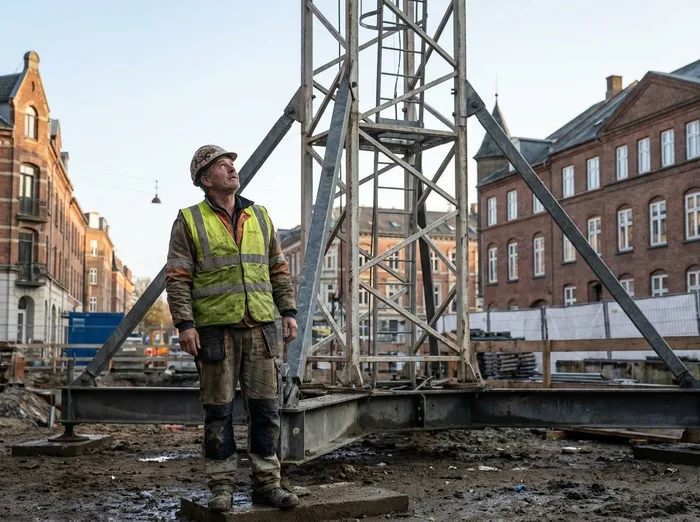
 Estonia
Operating Heavy Equipment in Estonia: The 2026 Market
Estonia is a modern European nation with a fast-growing economy, but it is also a small country of about 1.3 million people. Because of its size, the absolute number of heavy equipment operator jobs here is modest. If you are looking for thousands of open slots right now, larger European markets like Poland or Germany offer a much higher volume of entry-level positions. An honest look at the market will save you time.
However, Estonia is a fantastic destination if you want strong workplace safety, reliable monthly pay, and transparent labor laws. The national market relies heavily on foreign operators from outside the European Union to fill specialized roles in civil infrastructure, forestry, and maritime shipping. Massive long-term projects like Rail Baltica, alongside expansion at major Baltic ports, keep skilled crane and excavator operators in high demand across the country.
Where the Work Is: Key Regions and Industrial Hubs
Job opportunities in Estonia are concentrated in specific economic zones, ports, and development corridors. You will not find heavy machinery work scattered evenly across every town, so targeting these key areas is essential:
- Tallinn and Harju County: As the capital city and surrounding region, Harju County is the heart of Estonian commercial and residential construction. Tower crane operators and mobile crane drivers are constantly needed for high-rise projects, urban roadworks, and commercial parks.
- Muuga Port and Paldiski: These two deep-water port hubs near Tallinn handle heavy freight, container shipping, and bulk logistics. They regularly hire reach stacker operators, gantry crane operators, and heavy forklift drivers for year-round shift work.
- Ida-Viru County (Sillamäe, Narva, Kohtla-Jarve): Located in northeastern Estonia, this region is an industrial engine. It features the Port of Sillamäe, large oil shale mining operations, and heavy industrial plants. Employers here frequently recruit operators for heavy crawler excavators, industrial cranes, and large wheel loaders.
- Rail Baltica Construction Corridors: The high-speed railway construction connecting Tallinn southward through Parnu to the Latvian border requires extensive earthmoving. Excavator operators, bulldozer drivers, and mobile crane specialists work heavily along this stretch.
- Tartu and Southern Estonia: Tartu is Estonia's second city. While smaller than Tallinn, it has ongoing civil engineering projects and active timber and forestry hubs that utilize heavy log loaders and specialized earthmoving machinery.
Required Licences, Certificates, and Language Realities
To operate machinery legally in Estonia, you need the right credentials. Estonian employers care about verified skills and safety compliance above all else.
For mobile cranes driven on public roads, you must hold a valid Category C or Category CE heavy vehicle driver's licence. When you arrive from a non-EU country, you will usually drive under your international driving permit or national licence initially, but you may need to convert it to an Estonian licence through the Estonian Transport Administration (Transpordiamet) if your contract extends beyond six months.
For operating cranes, excavators, or specialized earthmoving plant, you need a qualification certificate (kutsetunnistus). In Estonia, occupational qualifications are recognized through standard professional frameworks overseen by Kutsekoda (the Estonian Qualifications Authority). While many local companies accept equivalent foreign certifications or training records from recognized international bodies, they must perform an in-house safety assessment before letting you operate expensive plant on site.
Language requirements depend entirely on where you work. On construction sites and in ports around Ida-Viru county, Russian is widely spoken on the ground. In Tallinn and on major national infrastructure sites, basic English is common among site managers. Estonian language skills (at an A2 level) are not strictly mandatory to get your initial work permit, but knowing basic safety commands in Estonian will make you far more attractive to local employers.
Work Permits, Processing Times, and Pay Standards
Workers from outside the European Union require official legal authorization to work in Estonia. Your employer acts as your main sponsor and handles the preliminary paperwork with the national authorities.
- Short-Term Employment Registration: For contracts lasting up to 365 days, your employer registers your short-term employment (luhiajalise tootamise registreerimine) directly with the Estonian Police and Border Guard Board (Politsei- ja Piirivalveamet, or PPA). This registration process is relatively quick, typically taking 10 to 15 working days. Once registered, you apply for a D-visa at an Estonian embassy to enter the country.
- Temporary Residence Permit for Work: If you are moving for a multi-year project or permanent role, your employer will apply for a temporary residence permit for working (tahtajaline elamisluba tootamiseks). This process takes between 2 and 3 months.
- Net Monthly Pay Ranges: Wages in Estonia are paid in Euros (€). A standard heavy equipment operator (excavator, loader, backhoe) earns between €1,300 and €1,800 net per month after taxes. Specialized mobile crane operators, tower crane operators, and heavy port machinery drivers earn between €1,800 and €2,400 net per month. High overtime during busy periods can push net pay higher.
- Seasonal Cycles: Earthmoving, road building, and open-air construction peak from April to November. The sub-zero temperatures and frozen ground in winter slow down civil digging work. However, port operations in Muuga and Sillamäe, alongside indoor logistics, maintain consistent 12-month hiring cycles.
Reality Check: Common Misconceptions
Before planning your move, make sure you avoid these common traps that foreign applicants fall into:
- Misconception 1: A basic truck driver's licence is enough. A Category C licence lets you drive a vehicle on the road, but it does not legalise operating a crane boom or heavy hydraulic excavator. You must show machine-specific operational credentials.
- Misconception 2: Winter means zero work in Estonia. While general excavation slows down from December to March, winter maintenance, port loading, quarry extraction, and structural lifting continue throughout the coldest months.
- Misconception 3: You can pay a recruiter to get you an Estonian visa. Legitimate Estonian employers apply directly to the PPA for your work registration. You should never pay an agency money in exchange for a job guarantee or work visa.
- Misconception 4: You must speak fluent Estonian before arriving. English and Russian are practical working languages across Estonian industrial sites. While learning local words is helpful, lack of fluent Estonian is rarely a barrier for skilled machinery operators.
How to Build Your Profile for Estonian Employers
Estonian companies search Workuro when they need qualified, pre-vetted operators from outside the EU. To stand out to hiring managers in Tallinn, Tartu, or Ida-Viru, you must build a clear, accurate, and highly specific profile.
Make sure you list the exact heavy machinery brands and tonnage you have operated, such as Liebherr tower cranes, CAT excavators, or Kalmar port handlers. Clearly state whether you hold a Category C or CE driving licence, and list any valid safety or technical certificates you earned in your home country. Be specific about the job locations in Estonia you are willing to move to, such as Harju County, Sillamae, or the Rail Baltica project zones.
When an Estonian business searches for heavy equipment operators, profiles containing specific credentials, clear machinery experience, and location preferences appear first in search results. Fill out your details today so Estonian employers can find you directly.
Handa ka na bang mahanap?
Gawin ang profile mo sa loob ng 2 minuto. Libre, walang credit card.
Magbasa pa