Tiler and floor layer Jobs in Hungary for Foreign Workers (2026)
 Hungary
Demand for Tilers and Floor Layers in Hungary
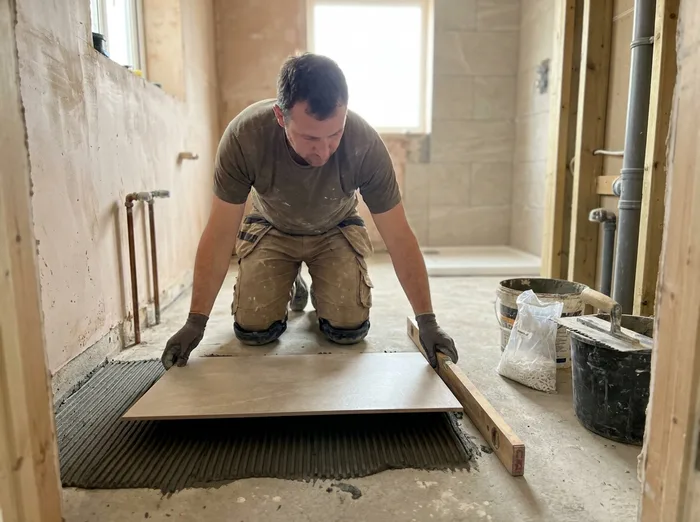
Hungary has a steady, focused demand for skilled construction workers, but it operates differently from Western Europe. If you are looking for massive, unlimited hiring in finishing trades, Germany or Austria might offer higher volumes. However, Hungary is currently undergoing a massive industrial expansion, creating a specific and urgent need for tilers and floor layers (known locally as burkoló workers).
The biggest recruitment is happening in expanding industrial hubs and major urban areas. The ongoing industrial developments in Debrecen (Hajdú-Bihar county), driven by massive foreign direct investments like battery plants and automotive factories, require large teams of finishing workers for commercial facilities, staff accommodation, and sub-contracted housing projects. Budapest constantly needs experienced floor installers for residential renovations and commercial real estate. Industrial nodes like Győr, Kecskemét, and Székesfehérvár also regularly recruit specialized trade workers through registered recruitment agencies.
Employers in Hungary frequently hire third-country nationals from countries outside the European Union to fill shortages in the construction sector. If you have solid experience laying ceramic tiles, large-format porcelain slabs, epoxy flooring, or vinyl and laminate systems, you will find active employers here. However, you must be prepared to work through established legal channels, as Hungary strictly regulates foreign labor entry through specialized work permits.
Monthly Pay and Real Working Conditions in HUF
Earnings in Hungary are paid in Hungarian Forint (HUF). When evaluating job offers, focus on the net monthly pay, which is the exact amount that lands in your bank account after all taxes and social security contributions have been deducted.
- Base net salary: A qualified foreign tiler or floor layer typically earns between 350,000 HUF and 500,000 HUF net per month for standard working hours.
- Experienced specialists: Master tilers skilled in large-format tiles, precision stone cutting, or industrial epoxy application can earn up to 600,000 HUF net per month, especially when working on tight deadlines.
- Overtime and weekend pay: Standard work weeks are 40 hours. Extra hours on commercial sites are common and must be paid at premium rates or agreed upon as bonuses, adding 50,000 HUF to 100,000 HUF extra per month.
- Accommodation benefits: Many construction firms and manpower agencies serving non-EU workers provide free or heavily subsidized shared housing. If accommodation is provided, your living expenses drop significantly, allowing you to save a higher percentage of your wage.
- Tax deductions: Hungary has a flat personal income tax rate of 15 percent, alongside mandatory social security contributions of 18.5 percent. Your gross offer will be reduced by roughly 33.5 percent to arrive at your net pay.
Pay cycles are monthly, usually paid directly into a Hungarian bank account by the 10th day of the following month. Cash payments are illegal under formal employment contracts and should be avoided.
Work Permits and Bureaucracy for Non-EU Workers
As a worker coming from outside the EU, you cannot start working in Hungary on a tourist or short-stay visa. You must secure a valid work permit sponsored by a registered Hungarian employer before you arrive.
The primary legal pathway is the Single Application Procedure (összevont kérelmezési eljárás), which combines your residency permit and work authorization into one card. The permit is issued by the National Directorate-General for Aliens Policing (known as OIF or Országos Idegenrendészeti Főigazgatóság).
- Employer sponsorship: The Hungarian employer or recruitment agency must first file a labor market demand with the local government office (Kormányhivatal) to prove the position cannot be filled by a local or EU citizen.
- Application submission: Once approved, the employer submits the permit paperwork. You will need to visit the Hungarian embassy or consulate in your home country to submit biometrics and your passport.
- Processing time: The entire work permit process usually takes between 60 and 90 days. Do not make travel plans until your entry visa for work purposes (D-visa) is approved.
- Permit validity: Initial permits are generally granted for up to two years and are strictly tied to the specific employer named on the application. If you leave that employer, your permit becomes invalid, and you must reapply through a new sponsor.
Required Qualifications, Trade Recognition, and Language Skills
Hungarian law categorizes floor laying and tiling as skilled trades. While you do not always need a university degree, employers must show that you possess the practical skills to carry out the job safely and effectively.
- Trade certificates: Having a vocational diploma or trade certificate in tiling, masonry, or floor installation from your home country helps your application. These documents should be translated into Hungarian or English by an official translation service such as OFFVI (Országos Fordító és Fordításhitelesítő Iroda).
- Practical experience: Most contractors care more about documented practical experience than formal paperwork. You will often be asked to provide photos, video clips of your previous work, or references from past site managers.
- Language requirements: You do not need to speak fluent Hungarian to get hired, but knowing basic construction terminology is a huge advantage. Site supervisors often speak basic English, German, or rely on foreign team leaders who translate instructions. Learning site words like csempe (tile), ragasztó (adhesive), aljzatkiegyenlítő (screed/self-leveler), and fuga (grout) will make your daily work much easier.
- Safety certifications: Once you arrive at the job site, your employer must put you through mandatory occupational health and safety training (munkavédelmi oktatás) before you touch any tools.
Seasonal Hiring Cycles and Daily Site Realities
The construction sector in Hungary experiences seasonal shifts due to winter weather conditions, though indoor floor layers have a slight advantage over exterior workers.
The main hiring season begins in early spring (March) and runs at full capacity through late autumn (November). During this period, outdoor site preparation, structural work, and major commercial builds operate at maximum speed. Hiring for indoor tilers continues into the winter months because indoor climate control allows floor work, tiling, and interior finishing to proceed without interruption on large projects.
Daily work usually starts early, around 7:00 AM, and finishes by 3:30 PM or 4:30 PM. On commercial sites, you are expected to bring your own basic hand tools, safety boots, and work trousers, though the employer must provide specialized power tools, tile cutters, safety goggles, and respiratory protection when working with dust or chemical adhesives.
Reality Check: Common Mistakes Foreign Tilers Make
To succeed in finding and keeping a tiling job in Hungary, avoid these widespread misconceptions:
- Expecting Western European wages: Hungary does not pay German or Scandinavian hourly rates. Pay ranges are lower, but accommodation costs and daily living expenses are also significantly lower.
- Arriving on a tourist visa to look for work: You cannot legally convert a tourist visa or a short-stay Schengen visa into a Hungarian work permit while inside the country. You must apply through the official process from your residence country.
- Ignoring sub-floor preparation: Hungarian site inspectors pay strict attention to floor leveling (aljzatkiegyenlítés) and waterproofing (vízszigetelés) in wet areas. Sloppy prep work will lead to rejected jobs and unpaid rework time.
- Believing you can switch employers freely: Your work permit is bound to the employer who sponsored your application. Leaving your job without filing a formal permit transfer will make your stay illegal.
- Working without a written contract: Never work based on a verbal agreement. Ensure you receive a formal written employment agreement (munkaszerződés) clearly stating your job title, base salary in HUF, work location, and working hours.
Put Your Specific Details in Your Workuro Profile
To attract Hungarian employers and registered recruitment agencies, your Workuro profile needs to show exact, practical information. Employers searching the registry look for candidates who match their specific job orders, so vague profiles get skipped.
Make sure you explicitly list:
- Your exact trade skills: Mention whether you specialize in ceramic tiling, large-format porcelain, natural stone, vinyl plank (LVT), laminate, or industrial epoxy resin floors.
- Your equipment experience: List the specific tools you can operate, such as wet saws, laser levels, surface grinders, or manual long-cut cutters.
- Your certificates: Detail any vocational diplomas, apprenticeship certificates, or safety training credentials you hold.
- Your language abilities: Indicate your level of English, German, basic Hungarian, or other languages you speak well enough to follow site safety instructions.
- Your preferred regions: State clearly if you are ready to relocate to major Hungarian hiring areas such as Budapest, Debrecen, Győr, or Kecskemét.
A fully detailed profile helps Hungarian employers identify you quickly, verify that you fit their open projects, and start the formal legal process to bring you on board.
Handa ka na bang mahanap?
Gawin ang profile mo sa loob ng 2 minuto. Libre, walang credit card.
Magbasa pa