Security Guard Jobs in Malta for Foreign Workers (2026)
 Malta
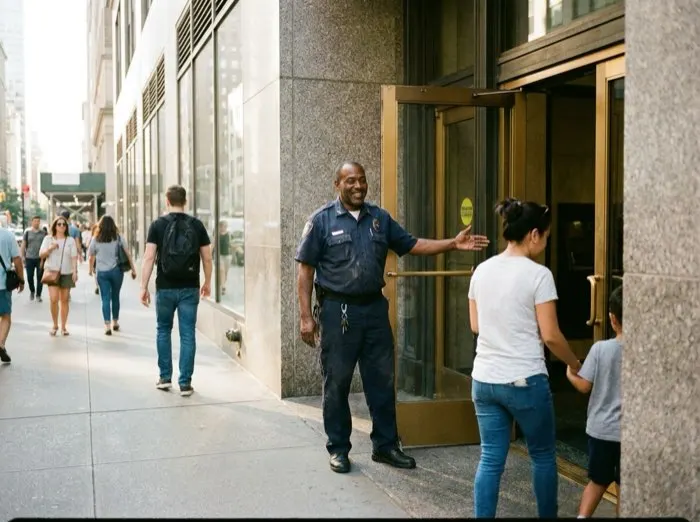
MaltaIf you want to work as a security guard in Europe, Malta is one of the most accessible entry points. It is a small island nation in the Mediterranean Sea with a unique advantage for non-EU job seekers: English is an official language. Almost all business, official documents, and workplace training are conducted in English. This makes Malta popular with workers coming from South Asia, Africa, Central Asia, Latin America, and the Balkans.
Demand for private security personnel in Malta remains steady. Security guards protect hotels, construction sites, shopping centers, night venues, corporate offices, and transport hubs. However, Malta is a small country with a population of around 530,000. While hiring is active, total vacancies are lower than in larger nations like Germany, Poland, or Spain. If you want a massive job market with hundreds of open positions every week, larger EU countries might suit you better. But if you want a warm climate, an English-speaking environment, and a straightforward licensing system, Malta is a solid choice.
Mandatory Licences and Qualifications in Malta
You cannot simply arrive in Malta and start working as a security guard. The industry is strictly regulated by government authorities to ensure public safety. To work legally, you must obtain a Private Security Guard Licence.
This licence is issued by the Police Licensing Unit of the Malta Police Force under the rules of the Private Guards and Local Wardens Act. Without this official approval, no registered security agency in Malta can legally put you on a shift.
- Police Conduct Certificate: You must supply a clean criminal record from your home country. This document must be translated into English and officially legalised or apostilled. Once you arrive in Malta, you will also need a local Maltese Police Conduct report known as Form A.
- Accredited Training Course: You must complete a basic security guard training course approved by the Maltese government. Institutions such as the Malta College of Arts, Science and Technology (MCAST) or accredited private training academies deliver these short courses. The curriculum covers Maltese security regulations, basic law, fire safety, conflict resolution, and emergency procedures.
- First Aid Certification: Most reputable employers require a valid First Aid and CPR certificate. Recognized providers in Malta include St John Ambulance Malta and the Malta Red Cross. Having this certificate before applying makes your application much stronger.
- Language Requirements: You must speak and write English at a functional level (B1 level or higher). You do not need to speak Maltese for most private security roles, but you must be able to write incident reports in English and communicate with the police during emergencies.
The Malta Single Permit Process
Workers from outside the European Union (third-country nationals) need a work visa to live and work in Malta. The legal pathway is called the Single Permit application, managed by the government agency Identità (formerly known as Identity Malta).
You cannot apply for a Single Permit on your own. A licensed Maltese employer must apply on your behalf after offering you a job contract. Here is how the process works:
- Job Offer and Labor Market Test: A security company in Malta offers you a full-time contract. The employer must submit the job offer to Jobsplus (Malta's national employment agency) to prove that no suitable Maltese or EU citizen was available for the role.
- Application Submission: The employer submits your documents to Identità. These include your passport copy, employment contract, police conduct certificate, foreign qualification certificates, and a completed application form.
- Processing Time: Processing usually takes between 8 and 16 weeks. During this time, government officials review your background and conduct security checks.
- Approval in Principle: If approved, Identità issues an Approval in Principle letter. You use this letter to apply for an entry visa at a Maltese embassy or visa application center in your region.
- Final Residence Card: Once you arrive in Malta, you complete your biometric registration (photo and fingerprints) and collect your physical Single Permit residence card.
Top Hiring Locations and Seasonal Cycles
Security guard jobs in Malta are concentrated in specific commercial, industrial, and tourism hubs across the main island. Knowing where the work is helps you target the right employers.
- St. Julian's and Paceville: This area is the center of Malta's nightlife and entertainment. Bars, clubs, casinos, and high-end hotels hire door supervisors and floor security guards. Demand here peaks during the summer months, but year-round roles exist for experienced staff.
- Sliema and Valletta: Sliema is a major retail and commercial hub with shopping malls and corporate offices. Valletta, the capital city, has government buildings, law firms, boutique hotels, and cultural events. Static security guards and access control officers are always needed here.
- Luqa: Home to Malta International Airport and nearby logistics parks. Security agencies recruit guards for perimeter patrols, cargo monitoring, and passenger flow control.
- Hal Far and Marsaxlokk: These southern areas host large industrial estates, factories, and the Malta Freeport container terminal. Guards here handle gate security, vehicle checks, and property protection.
- Bugibba, Qawra, and Mellieha: Located in the north of Malta, these areas are packed with large holiday resorts and hotels. Hiring surges every year between March and May as hotel operators prepare for the busy summer season.
The main hiring cycle follows the tourism calendar. While industrial and corporate sites hire all year long, overall hiring peaks in spring (March through May). Employers hire heavily during these months to build their teams before summer visitors arrive.
Expected Pay, Hours, and Labor Regulations
Pay for private security guards in Malta is regulated by the Private Security Services Wage Regulation Order (WRO). This legal framework sets minimum hourly wages, overtime rules, and holiday pay for the sector.
- Hourly Rates: Starting pay for entry-level security guards typically ranges from €5.50 to €7.20 gross per hour, depending on the shift type and the specific duties involved.
- Net Monthly Income: After income tax and national insurance contributions are deducted, a security guard working a standard 40 to 48 hour week can expect a net take-home pay of €850 to €1,150 per month.
- Shift Hours and Overtime: Security guards in Malta frequently work 12-hour shifts on a rotating schedule (day shift, night shift, off, off). Hours worked beyond the standard weekly limit or on official public holidays must be paid at higher overtime rates.
- Living Expenses: Malta has seen rising housing costs in recent years. Renting a private single apartment can be expensive, so many foreign workers lower their living costs by sharing an apartment with colleagues.
Reality Check: Myths vs Facts
Before applying for security jobs in Malta, make sure you understand the actual conditions on the ground. Here are common mistakes workers make:
- Myth: You can enter Malta as a tourist and start working immediately.
Fact: Working on a tourist visa is strictly illegal. You must hold an official Single Permit issued through Identità before starting any job. - Myth: Employers will pay for your flight and free accommodation.
Fact: Very few security agencies in Malta offer free housing or flight tickets for entry-level positions. You should prepare savings to cover your initial relocation costs. - Myth: A security licence from your home country works automatically in Malta.
Fact: Foreign licences are not valid in Malta. You must complete the approved Maltese training and obtain approval from the Police Licensing Unit. - Myth: You do not need to write or read in English.
Fact: Security guards must fill out logbooks and write official incident reports in English. If your English is too weak to write a basic report, employers will not hire you.
Build Your Workuro Profile to Get Found
Maltese security agencies search for foreign talent constantly to fill seasonal and full-time vacancies. Creating a detailed, clear profile on Workuro makes it easy for employers to find you directly.
To make your Workuro profile stand out to Maltese recruiters, be specific about your skills and readiness:
- Select Malta as your preferred destination country.
- List specific cities or hubs you want to work in, such as St. Julian's, Sliema, Luqa, or Bugibba.
- Detail any relevant security qualifications you hold, including First Aid certificates, CCTV operator training, or fire safety credentials.
- Clearly state your English proficiency level and any previous experience in physical security, access control, or customer service.
- Mention if you already have a valid police conduct certificate ready from your home country.
Employers look for organized candidates who are ready to complete the Malta licensing process. Keep your Workuro profile updated so hiring managers in Malta can connect with you directly.
Готові, щоб вас знайшли?
Створіть профіль за 2 хвилини. Безкоштовно, без картки.
Читати далі