Construction Worker Jobs in Greece for Foreign Workers (2026)
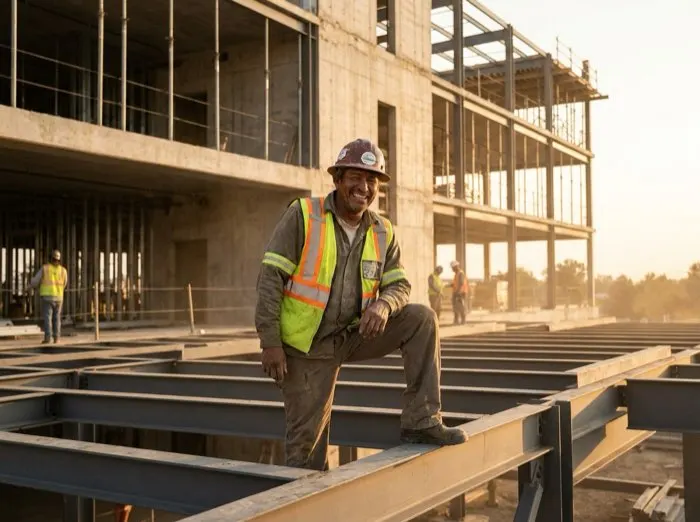
Current construction demand in Greece for non-EU workers
If you are looking for building or civil engineering work in Southern Europe, Greece is seeing its biggest building boom in over fifteen years. Massive public works, airport expansions, and major commercial projects across the country require thousands of extra hands. Because local labor supplies cannot meet this demand, Greek construction firms are actively bringing in workers from outside the European Union.
Demand is especially strong for workers coming from South Asia, Egypt, North Africa, the Balkans, and Central Asia. The Greek government works directly with several non-EU countries through bilateral agreements to organize legal work permits. If you want steady site work in masonry, concrete, steel fixing, or heavy machine operation, Greece is a strong destination in 2026.
However, if you are looking for fast manufacturing or high-tech factory setup, you will find better options in Central Europe. Greece builds mostly in concrete, stone, civil infrastructure, and resort tourism property. The pay rates are lower than in Northern Europe, but lower living costs and long project timelines make it a practical choice for many international tradespeople.
Key hiring regions and major project hubs
Construction work in Greece is not spread evenly across the country. Hiring concentrates heavily in specific urban centers, major transport corridors, and tourist zones.
- Attica and Metropolitan Athens: This is the largest hiring market in the country. The Ellinikon project on the old Athens airport site is currently Europe's largest urban renewal project. It requires thousands of steel fixers, formwork carpenters, site laborers, and equipment operators. Additionally, line 4 of the Athens Metro expansion creates long-term civil tunneling and concrete jobs across the city.
- Crete: The island of Crete has two major infrastructure efforts underway. The new international airport project at Kastelli near Heraklion requires heavy civil construction crews, earthmoving operators, and pavers. The Northern Road Axis of Crete (VOAK) highway project also hires continuously for earthworks and bridge framing.
- The Cyclades and Ionian Islands: On islands like Mykonos, Santorini, Paros, and Rhodes, construction works on a seasonal schedule. Developers build and upgrade luxury hotels, private villas, and dining venues. The hiring season here happens outside the summer months.
- Thessaly and Northern Greece: Port expansion projects in Thessaloniki and regional flood recovery infrastructure in the Thessaly agricultural plain create steady demand for masonry, drainage, and bridge restoration crews.
Visas, Metaklisi, and official work permits
You cannot legally work on a construction site in Greece using a standard tourist visa or short-stay Schengen entry. Working without legal papers risks immediate arrest, fines, and deportation. To work legally, you must go through the Greek entry process called Metaklisi (μετάκληση).
Metaklisi is an official employer-sponsored recruitment route for foreign workers. Here is how the legal process works step by step:
- Employer application: A registered Greek construction company applies to their local Decentralized Administration (Apokentropomeni Dioikisi). They must prove they have an open job slot that cannot be filled by a local worker.
- National Visa Type D: Once the regional authority approves the employer's request, the approval goes to the Greek embassy or consulate in your home country. You then attend an interview to receive a National Visa (Type D) for employment.
- Tax and Social Security numbers: When you arrive in Greece, your employer helps you register for an AFM (Tax Identification Number) with the tax office and an AMKA (Social Security Number).
- Residence Permit (Adeia Diamonis): You submit your biometric data in Greece to receive your official temporary residence card for work.
Pay rates, collective agreements, and work stamps
Pay in the Greek building sector relies on national trade agreements overseen by the Hellenic Federation of Construction Workers. Your earnings depend on your verified experience, trade skill, and location.
Here are realistic net monthly earnings in Greece for 2026, based on a standard 40-hour work week:
- General site laborers: €800 to €1,000 net per month.
- Masons, steel fixers, and formwork carpenters: €1,050 to €1,400 net per month.
- Certified heavy machinery operators and specialized welders: €1,300 to €1,700 net per month.
Understanding Ensima (wage insurance stamps) is vital for every foreign worker in Greece. In the Greek construction sector, social security contributions are tracked as daily work stamps issued through EFKA (the national social security organization). Every day you work on a site, your employer must register and pay for an daily stamp on your record.
Ensima stamps are not optional extra bonuses. They pay for your public healthcare access, protect you in case of site injury, and prove your legal employment history when you apply to renew your work permit. Always check your official digital EFKA account regularly to confirm your employer pays your daily stamps correctly.
Standard working days are eight hours long, five days a week. Overtime work is common on tight commercial deadlines and must be paid at higher hourly rates by law. During hot summer months, labor laws enforce strict mid-day work stops when site temperatures exceed 38 degrees Celsius to protect workers from heat exhaustion.
Languages, trade skills, and site certificates
You do not need a university degree to work on Greek building sites, but practical skills and physical fitness are mandatory. Requirements vary by trade level:
- Language requirements: You do not need to speak fluent Greek before you arrive. On large international project sites in Athens or Crete, site engineers and foremen often give instructions in simple English. However, learning basic Greek site vocabulary for tools, directions, and safety commands helps you gain trust and avoid site accidents.
- Trade certifications: General masonry and earthmoving trades rarely require formal degree verification. However, specialized trades like tower crane operating, high-voltage electrical installation, or high-pressure welding require formal certificates. Vocational certificates issued in non-EU countries often need translation into Greek and basic evaluation through EOPPEP (the national agency for qualifications).
- Site safety standards: Greek law requires site managers to provide Personal Protective Equipment (PPE), including hard hats, high-visibility vests, and steel-toe boots. Showing an understanding of basic site safety protocols makes you much more appealing to reputable hiring managers.
Island building cycles versus urban year-round work
The timing of construction work in Greece varies depending on where the project takes place. You need to align your job search with these local patterns.
On tourist islands like Mykonos, Santorini, and Rhodes, local laws ban heavy building noise, excavation, and large delivery trucks during the main summer tourist season (generally from late May through late September). Therefore, island building happens during an intense winter and spring cycle running from October to April. Employers on islands often provide basic shared housing and food allowances to keep crews on site through these cold-weather builds.
In contrast, major urban infrastructure projects in Athens, Thessaloniki, and mainland road networks run continuously all year long. Winter rain can cause short outdoor delays, but hiring for civil engineering and urban build projects stays active in every season.
Reality check: Common mistakes foreign workers make
- Expecting legal employment on a tourist visa: You cannot convert a short-stay visa into a legal work permit inside Greece. You must complete the embassy process in your home country first.
- Ignoring missing Ensima stamps: Accepting cash under the table without social security stamps leaves you without healthcare access and makes it impossible to renew your residence permit later.
- Looking for island jobs in July: Resort construction pauses during high tourist months. Look for island positions between August and October before the winter build cycle begins.
- Assuming housing is always included: City employers in Athens or Thessaloniki rarely offer free accommodation. Always confirm whether housing is provided before signing a job agreement.
Build your Workuro profile to reach Greek employers
Greek contractors and legal recruitment channels use Workuro to find qualified candidates from non-EU countries. To stand out to employers searching for workers for Greek projects, put specific details in your profile:
- Specify your trade accurately: List exact roles like rebar bender, formwork carpenter, block mason, tile layer, or excavator operator instead of using generic terms like builder.
- Name machinery and equipment: Mention the specific brands or machine types you know how to operate, such as CAT excavators, concrete pumps, or tower cranes.
- State your exact location preferences: Indicate if you are willing to work in Athens, regional infrastructure sites, or remote Greek islands during the winter building season.
- Detail your language capabilities: List your level of spoken English, Greek, or other languages clearly.
- Upload trade certificates: Include clear photos or scans of your heavy machinery permits, vocational diplomas, or trade training certificates.
Filling out these specific details helps your Workuro profile appear directly in targeted searches when Greek employers look for workers ready for Metaklisi sponsorship.
هل أنت مستعد ليجدك أصحاب العمل؟
أنشئ ملفك الشخصي في دقيقتين. مجاني، بدون بطاقة ائتمان.
متابعة القراءة