Farm and Agricultural Worker Jobs in Estonia for Foreign Workers (2026)
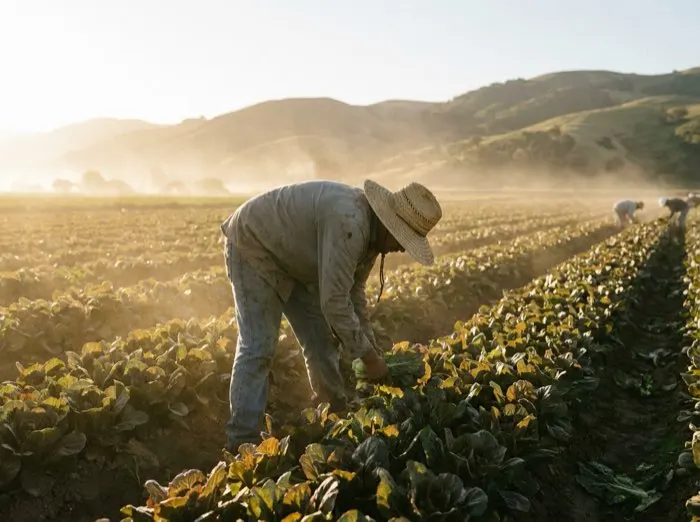
Estonia has a modern, highly mechanized agricultural sector. If you are looking for work in dairy farming, crop cultivation, or seasonal harvest, farms across Estonia regularly look for reliable workers from outside the European Union. However, you should know that Estonia is a smaller nation. Its overall demand for farm labor is lower in volume compared to giant agricultural markets like Poland, Spain, or nearby Finland.
If your main goal is large-scale, short-term fruit picking with high worker turnover, Finland or Poland might offer more immediate openings. But if you want a stable job in tech-driven dairy farming, modern tractor driving, or organized seasonal harvesting, Estonia offers good working conditions, clear legal rules, and digital permit systems. This guide explains how agricultural hiring works in Estonia for non-EU workers in 2026.
Where Agricultural Jobs Are Located in Estonia
Agriculture in Estonia is concentrated in specific central and southern counties where topsoil is deep and land is open. You will rarely find agricultural employment in capital cities like Tallinn. Instead, target these primary regions:
- Järva County (Paide and Türi areas): Known as the dairy heartland of Estonia. This region has large, modern cattle farms utilizing robotic milking machines and computerised feed systems. Dairy operations here run 365 days a year.
- Tartu and Viljandi Counties: Southern hubs for mixed farming, grain production, and commercial berry fields. Many of Estonia's strawberry, raspberry, and apple orchards are located around Tartu and Viljandi.
- Lääne-Viru County (Rakvere area): A major region for cereal crops, wheat, rapeseed, and large-scale pig or cattle farming. Machinery operators and grain dryer technicians are frequently needed here.
- Pärnu County: Home to large peat moss extraction sites, vegetable greenhouses, and local livestock holdings near the western coast.
Work Permits and Legal Pathways for Non-EU Workers
You cannot enter Estonia on a tourist visa or visa-free arrangement and start working on a farm legally. Non-EU workers from South Asia, Africa, Central Asia, Latin America, or the Balkans must follow a clear registration process managed by the Estonian Police and Border Guard Board (Politsei- ja Piirivalveamet or PPA).
- Short-Term Employment Registration (Lühiajaline töötamise registreerimine): This is the standard route for farm work. Your Estonian employer applies directly to the PPA to register your position before you arrive. For general farm work, short-term registration allows you to work up to 365 days within a 455-day period.
- Seasonal Work Rules: If you come strictly for seasonal harvests (such as berry picking or crop gathering), the short-term registration allows work for up to 270 days within a 365-day period.
- D-Visa Application: Once the PPA approves your short-term employment registration, you apply for a long-stay D-visa at the nearest Estonian embassy or visa centre. This visa allows you to enter the country and work legally for the duration of the approval.
- No Shortage List Requirement: Estonia does not use a rigid national shortage-occupation list for farm work. Instead, any legally registered company can hire a foreign worker if they submit the registration and meet minimum pay requirements.
Licenses, Certifications, and Language Requirements
Estonian farms rely heavily on technology and machinery. Having official certificates makes your application far more attractive to employers.
- Tractor Driving Licence (T-kategooria juhiluba): Operating agricultural machinery in Estonia requires a Category T licence. If you hold a valid tractor driving licence from your home country, the Estonian Transport Administration (Transpordiamet) can often evaluate and exchange it, or you may need to pass a practical check. Mention any experience operating brands like John Deere, New Holland, or Claas.
- Plant Protection Certificate (Taimekaitsetunnistus): If your role involves handling, mixing, or spraying agricultural chemicals and fertilizers, you need a plant protection certificate issued or recognized by the Estonian Agriculture and Food Board (Põllumajandus- ja Toiduamet or PTA). Farm owners often help reliable workers take this short training after arrival.
- Language Expectations: You do not need to speak fluent Estonian to land an entry-level farm job. On most rural farms, basic English or Russian is sufficient for day-to-day safety instructions. However, learning simple Estonian phrases for farm tools and basic instructions will help you fit in faster.
Wages, Hours, and Seasonal Cycles
Pay in Estonia is paid in Euros. Employers must pay foreign workers at least the statutory minimum wage, though specialized agricultural roles pay higher.
- Average Net Earnings: General farm workers, hand pickers, and stable attendants usually earn between 900 EUR and 1,200 EUR net per month after taxes. Skilled tractor operators, machinery mechanics, and automated dairy managers earn between 1,200 EUR and 1,600 EUR net per month.
- Pay Structures for Seasonal Work: Berry picking and vegetable harvesting are sometimes paid by weight or volume gathered (piece-rate), but the total earning must meet or exceed the national hourly minimum wage floor.
- Housing and Meals: Many rural farms in regions like Järva or Viljandi provide low-cost or free shared accommodation directly on site. Always confirm with the employer whether housing costs are deducted from your wage.
- Hiring Cycles: Seasonal crop and berry hiring runs from April to September, peaking in June and July. Dairy farming, livestock care, and machinery maintenance hire year-round. Planting and grain harvesting peak during two windows: April to May (spring planting) and August to October (harvest and field preparation).
Reality Check: Common Misconceptions
- Mistake 1: Arriving on a tourist visa expecting a job. Working in Estonia without a PPA short-term registration is illegal. Employers face strict fines, and workers risk deportation and entry bans across the Schengen area.
- Mistake 2: Expecting warm weather all year. Estonian winters are long, dark, and sub-zero from November through March. Outdoor field work stops entirely in winter, leaving only greenhouse and dairy farm work active.
- Mistake 3: Believing manual labor is all you need. Estonian farms use automated feed lines, digital herd tracking, and GPS-guided tractors. Basic digital literacy and willingness to learn machinery are essential.
- Mistake 4: Assuming free transit across Europe to work elsewhere. An Estonian D-visa allows you to visit other Schengen countries for short tourism stays, but it does not give you the legal right to work in Germany, France, or any other EU country.
Put Your Specific Skills into Your Workuro Profile
Employers across Estonia search Workuro when they need dedicated workers for the upcoming farming season or year-round dairy roles. To make your profile stand out to Estonian farm owners, make sure you fill out every detail clearly.
Include the specific regions you are willing to move to, such as Järva, Viljandi, or Tartu. List the exact machinery you can operate, including tractor brands or milking technology. Specify any licences you hold, such as a Category T driver's licence or chemical handling permits, and clearly state your language levels in English, Russian, or Estonian. A complete profile with real details helps European employers find you fast.
هل أنت مستعد ليجدك أصحاب العمل؟
أنشئ ملفك الشخصي في دقيقتين. مجاني، بدون بطاقة ائتمان.
متابعة القراءة