Farm and Agricultural Jobs in Germany for Foreign Workers (2026)
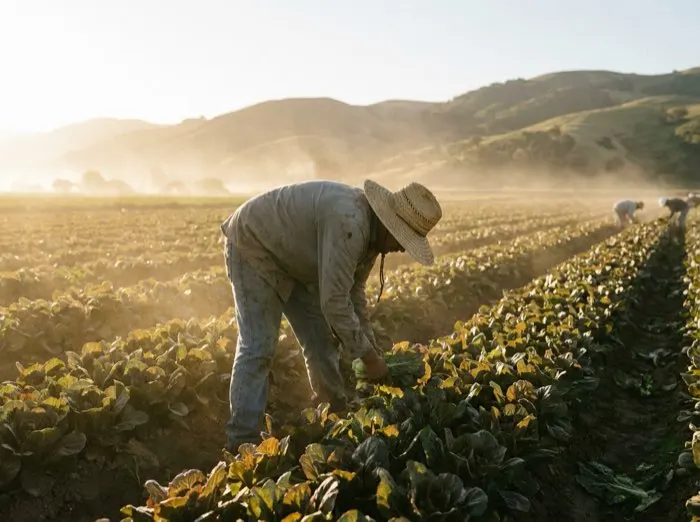
Agricultural work in Germany: Overview and top hiring regions
Germany has one of the largest agricultural markets in Western Europe. From vast grain fields in the north to fruit orchards and vineyards in the south, German farms rely heavily on international workers every year. If you come from outside the European Union, there are clear legal paths to work on German farms, provided you match your skills with the right region and season.
Farm work in Germany is not concentrated in just one area. Different states specialize in specific crops and livestock, which means hiring needs vary across the country:
- Niederrhein (North Rhine-Westphalia): Located near cities like Geldern and Straelen, this area is Europe's major hub for greenhouse vegetables, flowers, and nursery plants. Greenhouse work here runs almost year-round.
- Beelitz and Brandenburg: Located just south of Berlin, Beelitz is world-famous for white asparagus (Spargel). Millions of kilos are harvested here every spring, creating high demand for field harvesters.
- Lower Saxony (Niedersachsen): Areas around Cloppenburg and Vechta form the center of German livestock production, including dairy, poultry, and swine farms. Major grain and potato production also happens across this state.
- Baden-Wuerttemberg and Lake Constance (Bodensee): Surrounding Freiburg and Heilbronn, this warm southern region specializes in wine grapes, apples, berries, and stone fruits.
- Bavaria (Bayern): Famous for hops production in the Hallertau region, as well as dairy farming along the Alpine foothills.
Seasonal cycles: When German farms hire international staff
Agricultural hiring in Germany follows a strict calendar. Understanding these seasons helps you apply at the right time of year, as employers begin searching for workers two to three months before crops mature.
Here is how the hiring calendar breaks down across the German agricultural sector:
- Spring (March to June): This is peak season for white asparagus harvesting (Spargelzeit) and early field crops. Strawberry picking starts in late May. Vegetable planting in open fields happens across all major regions.
- Summer (July to August): Berry picking continues alongside cherry and bush fruit harvests. Open-field cereal harvesting (wheat, barley, rye) requires heavy machinery operators and tractor drivers.
- Autumn (September to November): Grape harvesting (Weinlese) takes place in southern wine regions. Apple orchards around Bodensee hire large picking teams. Sugar beet and potato harvesting requires field crews and sorting staff.
- Year-Round Work: Livestock management (milking, feeding, animal care), greenhouse crop maintenance, packhouse logistics, and farm equipment servicing happen continuously throughout the year.
Pay, unions, and living costs on German farms
Germany enforces a national legal minimum wage (Mindestlohn) that applies to all workers, including foreign and seasonal farm staff. By law, employers cannot pay you less than this official rate, regardless of your nationality or visa type.
In 2026, the gross national minimum wage in Germany is expected to range between 12.80 EUR and 13.50 EUR per hour. For a standard 40-hour workweek, gross monthly earnings generally fall between 2,050 EUR and 2,250 EUR. During peak harvest seasons, longer hours and overtime can increase earnings.
After standard German income tax and social security contributions (such as health insurance and pension deductions), a full-time farm worker typically receives a net monthly pay between 1,400 EUR and 1,850 EUR net. Your exact net pay depends on your tax class (Steuerklasse) and total hours worked.
Farm workers in Germany are represented by the trade union IG BAU (Industriegewerkschaft Bauen-Agrar-Umwelt). Some large agricultural employers follow collective bargaining agreements negotiated by IG BAU, which may offer higher pay rates for skilled machinery operators or supervisors.
Accommodation is often provided on-site by farm owners (Hofunterkunft). German law strictly limits how much an employer can deduct from your salary for room and board under official regulations (Sachbezugsverordnung). Accommodation must meet basic health and hygiene standards set by local authorities.
Visas, permits, and legal routes for non-EU workers
To work legally on a German farm as a citizen from a non-EU country, you must hold a valid work permit or visa. German authorities do not allow foreign workers to start work on a tourist visa or without prior authorization.
The main immigration pathways for agricultural staff include:
- Short-Term Seasonal Work Permit (Saisonbeschaeftigung): Under Section 15e of the Employment Regulation (BeschV), non-EU workers can be hired for seasonal farm work for up to 90 days per calendar year. The employer must apply for approval directly with the Federal Employment Agency (Bundesagentur fuer Arbeit) before you travel.
- Western Balkans Regulation (Westbalkanregelung): Citizens of Albania, Bosnia and Herzegovina, Kosovo, Montenegro, North Macedonia, and Serbia can access work visas for any employment, including agriculture, subject to an annual national quota.
- Skilled Worker Visa (Fachkraefteverfahren): If you hold a formal two-year or three-year vocational degree in agriculture (such as a Landwirt qualification), you can apply for a long-term skilled work visa. Your qualification must be officially recognized by the relevant German Chamber of Agriculture (Landwirtschaftskammer).
Processing times vary by country. Seasonal work permit approvals usually take 4 to 8 weeks, while long-term skilled worker visas can take 2 to 4 months through the local German embassy.
Certificates, tractor licences, and skill requirements
While general harvesting jobs require physical stamina rather than formal qualifications, technical roles on German farms require specific certificates. Having these credentials increases your chances of securing higher-paying, long-term employment.
Key certificates and licences used in German agriculture include:
- Tractor and Machinery Driving Licences: Driving agricultural machinery on public roads or large farm sites requires an official Class T licence (Fuehrerschein Klasse T) or heavy vehicle licence (Class CE). Foreign driving licences must be checked for validity in Germany.
- Plant Protection Certificate (Sachkundenachweis Pflanzenschutz): Required by law if your job involves handling, mixing, or applying pesticides and agricultural chemicals. This certificate is overseen by the state Chamber of Agriculture (Landwirtschaftskammer).
- Food Hygiene Instruction (Infektionsschutzbelehrung - Section 43 IfSG): Mandatory for workers handling unpacked fresh produce, berries, or dairy items. Issued by the local public health office (Gesundheitsamt) after a brief safety instruction session.
- Forklift Licence (Gabelstaplerschein): Essential for farm packhouses, logistics yards, and cold storage centers.
- Language Skills: While supervisors on seasonal farms often speak basic English, German language skills (A1 or A2 level) are highly valued for understanding workplace safety rules and machinery manuals.
Reality check: Common mistakes foreign workers make
To protect yourself and ensure a successful job search, keep these important facts in mind:
- Seasonal visas do not extend automatically: A 90-day seasonal work permit cannot be converted into a permanent residency visa while you are in Germany. You must return home when the permit ends.
- Cash payments are illegal: Genuine German employers pay wages directly into a bank account and provide an official pay slip (Lohnabrechnung) showing tax and health insurance deductions.
- You cannot switch employers freely on a seasonal permit: Seasonal work permits are tied to a specific employer who submitted the application to the Federal Employment Agency.
- On-site housing is not automatically free: Employers may charge a legally regulated fee for accommodation, which is clearly stated in your employment contract.
Build your Workuro profile to reach German farm employers
German farm owners and agricultural recruitment agencies search Workuro to find reliable international staff for upcoming seasons. To make your profile stand out to employers in Germany, make sure to list your specific skills clearly.
Include exact details in your profile, such as your experience with specific crops (like asparagus, berries, wine grapes, or dairy management), any machinery licences you hold (such as Class T tractor or forklift certificates), and your language levels in German or English. Mention the specific regions in Germany where you are willing to work, such as Lower Saxony or Baden-Wuerttemberg. A complete profile makes it easy for German employers to contact you directly when hiring opens for the season.
هل أنت مستعد ليجدك أصحاب العمل؟
أنشئ ملفك الشخصي في دقيقتين. مجاني، بدون بطاقة ائتمان.
متابعة القراءة