Fish & Seafood Processing Jobs in Lithuania for Foreigners (2026)
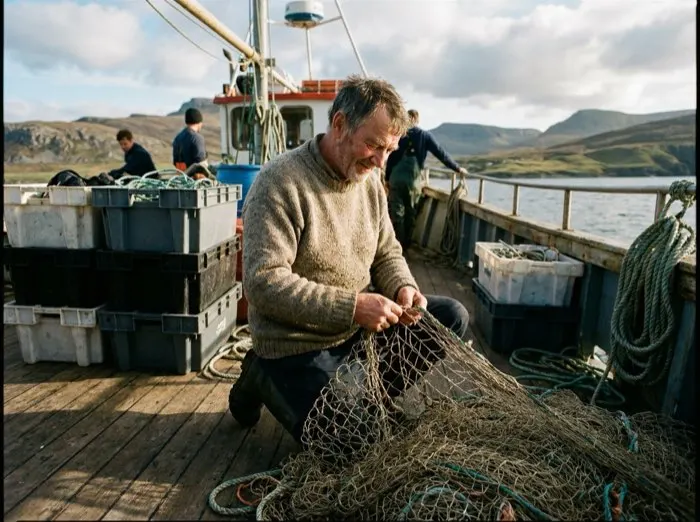
Seafood processing in Lithuania: Where the jobs are located
If you are looking for fish and seafood processing work in Europe, Lithuania is a major hub worth your attention. The country has a very active seafood industry, especially in the western region near the Baltic coast. You do not need to look elsewhere in Europe if you want steady factory work in fish packing, surimi production, and seafood trimming.
Most seafood processing plants in Lithuania operate in specific industrial areas:
- Plungė: This town in western Lithuania is one of the largest surimi and crab stick production centers in Europe. Factories here employ thousands of workers on continuous production lines year-round.
- Klaipėda: As Lithuania's main port city, Klaipėda handles raw fish imports. Processing plants in and around the port handle salmon filleting, herring salting, and frozen seafood packaging.
- Gargždai and Kretinga: Towns located near Klaipėda host several satellite processing units, cold storage logistics hubs, and fish smoking facilities.
- Radviliškis: Located further inland, this rail transport hub hosts frozen food and fish packaging facilities that serve Eastern and Northern Europe.
Work runs throughout the year, but hiring peaks between August and November. Factories prepare huge volumes of packaged seafood for the winter holiday market across Western Europe during these months.
Work permits and visas for non-EU workers in 2026
If you come from outside the European Union, such as Central Asia, South Asia, Africa, or Latin America, you must secure legal authorization before traveling to Lithuania. You cannot enter on a tourist visa and change your status to a work permit after arrival.
The legal hiring process involves two main government bodies:
- Užimtumo tarnyba (UŽT): This is the Lithuanian Employment Service. Your employer must list the vacancy with UŽT first. If no local or EU candidate fills the role within the required waiting period, UŽT issues a work permit or an official decision allowing the company to hire a non-EU worker.
- MIGRIS (Migration Department): You will submit your application for a Temporary Residence Permit (TRP) through the online MIGRIS portal. In many cases, you must attend an appointment at an external service provider in your country to submit fingerprints and original documents.
The entire permit process usually takes between 2 and 4 months. You should never pay an agency for a job offer, as legitimate employers in Lithuania cover the official employment request fees.
Pay, shifts, and daily working conditions
Understanding your earnings and daily environment helps you prepare for life in Lithuania. Pay in Lithuania is officially calculated in Euros (€).
Here is what you can expect regarding income and working hours:
- Monthly net pay: Most entry-level fish processing workers earn between €850 and €1,150 net (after tax) per month.
- Overtime and night pay: Lithuanian labor law requires higher pay for night shifts (between 22:00 and 06:00) and overtime hours. Workers who take extra weekend shifts can reach up to €1,300 net per month during peak autumn months.
- Shift structures: Factories usually run on 8-hour or 12-hour rotating shifts. A common schedule is two day shifts, two night shifts, followed by four days off, or a standard 5-day week with rotating morning and evening hours.
- Working temperature: Seafood plants are chilled to maintain food safety. Expect working temperatures between +2°C and +6°C in cutting and packing halls, and lower temperatures near freezing tunnels. Employers supply thermal clothing, waterproof boots, and heavy aprons.
Health certificates and local requirements
Food safety rules in Lithuania are strict and enforced by national health authorities. Before you can touch a production line, you must pass a medical check-up.
The mandatory requirements include:
- Asmens medicininė knygelė (Form 047/a): This is your personal medical booklet. You receive it after completing a medical examination in Lithuania, which includes a chest X-ray to screen for tuberculosis and basic laboratory tests.
- Hygiene training certificate: You must complete a brief health and hygiene course (sveikatos mokymo pažymėjimas) covering food handling rules, hand washing standards, and cross-contamination prevention. Employers usually organize this training during your first week.
- No formal language certificate required: Employers do not require formal English or Lithuanian language diplomas for basic line roles. However, knowing basic Russian or simple English commands helps on the factory floor, and learning basic Lithuanian words helps build good relationships with team supervisors.
Reality check: Common mistakes foreign workers make
Many foreign workers arrive with false expectations. Avoid these common mistakes:
- Expecting warm factory floors: The working area is cold and damp. If you dislike working in a refrigerator-like environment for 8 hours a day, this work is not suitable for you.
- Believing a tourist visa can be converted: You cannot travel to Lithuania on a Schengen tourist visa and convert it to a work permit inside the country. You must apply for your work permit and TRP before travelling.
- Assuming housing is completely free forever: Some employers provide temporary housing or deduct a low monthly rent (usually €100 to €180) directly from your salary. Check your contract carefully to see if accommodation is included or deducted.
- Underestimating local costs: While net pay of €900 per month covers living costs in smaller towns like Plungė or Gargždai, private apartment rentals in Klaipėda can consume a larger portion of your income if you live alone.
- Expecting heavy language requirements: You do not need to speak fluent Lithuanian to start working, but expecting everyone in the plant to speak your native language is unrealistic.
Step-by-step path from application to factory floor
Here is how the hiring journey works from start to finish:
- Contract offer: An employer reviews your background and sends you a preliminary employment contract stating your gross hourly or monthly wage, job description, and working hours.
- UŽT submission: The employer submits your details to the Employment Service in Lithuania to get approval for foreign recruitment.
- MIGRIS application: You fill out the online TRP application on the MIGRIS portal and book an appointment at an authorized visa center to scan your passport and take biometrics.
- Permit approval: Once MIGRIS approves your application, you receive a Temporary Residence Permit card or a national D visa allowing you to enter Lithuania.
- Arrival and health check: You arrive in Lithuania, complete your Form 047/a medical check, undergo safety orientation, receive your work clothes, and begin your first shift.
Build your Workuro profile to stand out to Lithuanian employers
Lithuanian fish processing companies search Workuro directly when they need foreign candidates for upcoming production cycles. To make sure your profile appears in their search results, you should fill in specific details rather than general summaries.
Include these items in your Workuro profile:
- Target region: Select Lithuania, and specifically highlight Klaipėda County, Plungė, or Gargždai as your preferred locations.
- Relevant skills: List experience in fish filleting, surimi line work, freezing room operations, seafood packaging, or machine operation.
- Certificates: Mention any food safety training, HACCP experience, or medical clearances you hold from past jobs.
- Language skills: List your actual spoken level of English, Russian, or any other language, even if basic.
- Availability: State clearly when you can travel and whether you hold a valid passport ready for visa submission.
When employers search Workuro for processing workers who want to live and work in western Lithuania, a complete profile with precise facts gets noticed first.
هل أنت مستعد ليجدك أصحاب العمل؟
أنشئ ملفك الشخصي في دقيقتين. مجاني، بدون بطاقة ائتمان.
متابعة القراءة