Scaffolder Jobs in Romania for Foreign Workers (2026)
 Romania
Demand Reality: Scaffolding Jobs in Romania vs Other EU Countries
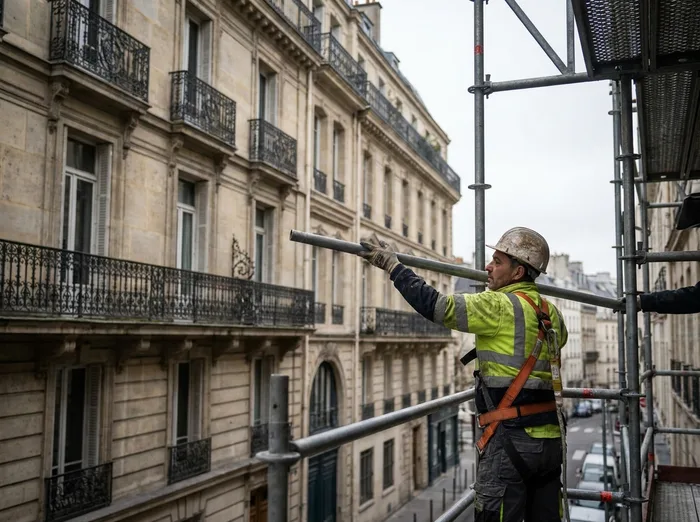
Scaffolding work in Romania is growing, driven by public infrastructure projects, commercial real estate, and major heavy industrial upgrades. However, we want to be honest with you from the start. Romania is a solid entry point into the European Union, but it is not the highest-paying market for scaffolders. If your main goal is earning the absolute highest hourly wage in Europe, markets like Poland, Germany, or the Netherlands have larger, higher-paying industrial scaffolding sectors. But if you want a reliable path into Europe with a high visa approval rate, steady demand for non-EU workers, and affordable living costs, Romania is a great target.
Employers across Romania actively recruit foreign workers from South Asia, Southeast Asia, Central Asia, and Africa to fill critical site shortages. They sponsor work permits and almost always provide housing or daily allowances. Demand for scaffolders runs year-round in industrial maintenance, while civil construction peaks between April and November.
Key Industrial Regions and Cities Hiring Scaffolders in Romania
Scaffolding, known locally as schela and the trade as schelar, is needed in specific hubs across Romania. Where you work determines the type of structures you build and your daily site environment:
- Bucharest and Ilfov County: The capital region has the largest volume of residential towers, office parks, and commercial renovations. Work here is fast-paced and involves modular facade scaffolding.
- Constanta and Navodari: Located on the Black Sea coast, this region is Romania's biggest industrial scaffolding market. The Port of Constanta and the Petromidia Refinery in Navodari regularly hire scaffolders for ship maintenance, oil storage tanks, and refinery overhauls. Jobs here are often longer term and run through the winter.
- Ploiesti and Prahova County: As the center of Romania's oil and gas sector, Ploiesti features heavy chemical plants and refineries. Scaffolding here requires high precision, heavy ringlock systems, and strict safety compliance.
- Galati and Braila: Home to large shipyards along the Danube River. Shipyard scaffolding involves complex geometry, working inside vessel hulls, and building suspended scaffolding over water.
- Cluj-Napoca and Timisoara: Major economic centers in western Romania with constant commercial construction, logistics warehouse builds, and historic building restorations.
Salary, Working Hours, and Local Pay Expectations
Understanding earnings in Romanian Leu (RON) helps you plan your financial goals before moving. Here is what foreign scaffolders realistically earn in 2026:
- Net monthly pay: Most general civil construction scaffolders earn between 3,500 RON and 5,000 RON net per month after taxes. Highly skilled industrial scaffolders working in refineries or shipyards can reach 5,500 RON to 6,500 RON net per month.
- Accommodation benefits: Most Romanian employers hiring from abroad provide free shared housing in worker dormitories or apartments (usually 2 to 4 people per room). If housing is not fully free, a small fixed utility fee is deducted from your earnings.
- Food allowances: Employers in Romania frequently issue daily meal tickets (bonuri de masa) valued between 30 RON and 40 RON per worked day, or they provide catered hot meals directly on site.
- Working hours: A standard schedule is 40 hours per week (8 hours per day, 5 days per week). Overtime is frequently available during peak building months from May to October, allowing you to increase your monthly earnings.
Required Certificates, Skills, and Regulations
To work legally as a scaffolder in Romania, you must meet physical standards and comply with local trade requirements:
- Official trade title: The official Romanian job title is schelar. Trade standards fall under the National Qualifications Authority (Autoritatea Nationala pentru Calificari - ANC). While many companies accept practical site experience, holding an international credential like CISRS or a certified national vocational diploma makes your application stand out.
- Working at heights medical check: Before stepping on a site, you must pass a mandatory occupational medical check (Medicina Muncii) in Romania. This includes vision checks, blood pressure tests, and a psychological evaluation for working at heights (lucru la inaltime).
- Site safety induction (SSM): Romanian law requires every worker to complete Health and Safety training (Securitate si Sanatate in Munca - SSM) before starting work. Your employer conducts this on your first day, often using translators or English instruction.
- Language requirements: You do not need to speak Romanian to get hired. Basic English is useful for talking to site supervisors. Many foreign crews operate in Hindi, Bengali, Nepali, or Arabic with a bilingual team leader on site.
The Visa and Work Permit Process for Romania in 2026
You cannot apply for a Romanian work permit by yourself as an individual. A registered Romanian employer must sponsor you through the official government channels:
- Step 1: Labor market approval: The employer proves to local authorities that no Romanian or EU citizen is available to fill the job opening.
- Step 2: Work authorization (Aviz de munca): Your employer submits your passport copy, police clearance certificate, and trade background to the General Inspectorate for Immigration (Inspectoratul General pentru Imigratii - IGI). Processing usually takes 30 to 60 days.
- Step 3: Visa application (Type D/AM): Once IGI issues your work permit, your employer mails the document to you. You then schedule an appointment at the Romanian embassy or consulate in your country to receive your long-stay work visa.
- Step 4: Arrival and residence card: After arriving in Romania, your employer helps you register at the local IGI office to collect your temporary residence card (Permis de sedere), valid for one year and renewable annually.
Reality Check: Common Misconceptions About Scaffolding in Romania
Avoid these frequent mistakes that foreign workers make when planning a move to Romania:
- Thinking you can transfer to Western Europe immediately: Your work permit is tied strictly to your specific Romanian employer. You cannot legally take your Romanian permit and go work in Germany, France, or the Netherlands. Leaving your employer illegally leads to deportation and a Schengen region ban.
- Expecting warm weather all year: Romania experiences cold winters with snow and freezing temperatures from December to February. Outdoor facade scaffolding slows down during these months, though industrial plant maintenance continues inside.
- Assuming basic frame scaffolding is enough: Romanian industrial sites rely heavily on heavy ringlock, cuplock, and traditional tube and coupler systems. You should be comfortable reading technical layout drawings and handling heavy steel components.
- Ignoring medical fitness requirements: Uncontrolled high blood pressure, poor vision, or severe fear of heights will cause you to fail the mandatory local medical test, preventing you from working on site.
Build Your Workuro Profile to Get Found by Employers
Romanian employers and recruitment agencies actively search Workuro to find reliable foreign workers for upcoming projects. To make sure site managers can find your profile quickly, add these specific details to your Workuro profile:
- List the specific scaffolding systems you know how to build, such as Layher, Ringlock, Cuplock, or Tube and Fitting.
- Include any formal trade certificates, vocational diplomas, or safety credentials you have earned in your home country or abroad.
- State your experience level with industrial sites like refineries, shipyards, or power plants versus general commercial buildings.
- Mention the languages you speak, including your level of English or basic Romanian.
- Select Romania as your target destination, along with preferred industrial hubs like Bucharest, Constanta, Galati, or Ploiesti.
When your profile includes these exact technical details, verified employers looking for scaffolders in Romania can evaluate your experience and contact you directly with job opportunities.
Pronto para ser encontrado?
Crie seu perfil em 2 minutos. Grátis, sem cartão de crédito.
Continue lendo