Farm and Agricultural Worker Jobs in Ireland (2026 Guide)
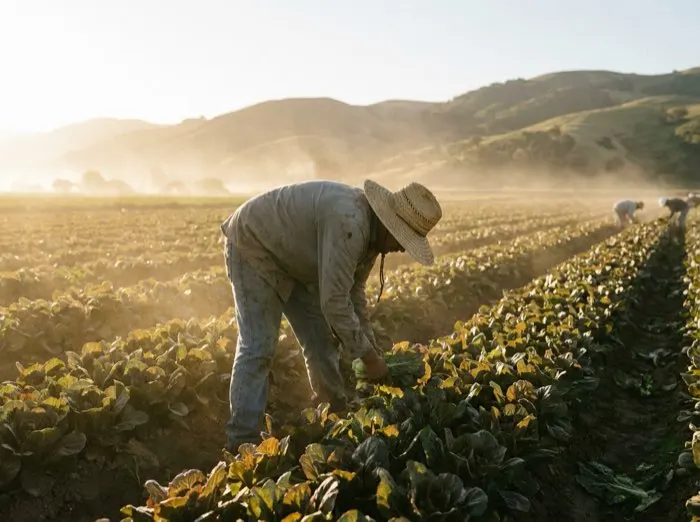
Farm Work in Ireland: The 2026 Reality for Foreign Workers
Ireland has a booming agricultural sector built on pasture-based dairy farming, beef production, and indoor horticulture. If you are coming from outside the European Union, South Asia, Africa, Latin America, Central Asia, or non-EU Balkan states, there are real job opportunities here. However, you need to understand how the recruitment and work permit system functions before you apply.
If your main goal is quick, short-term seasonal work with minimal paperwork, Ireland might not be your best target. Other European destinations like Spain, Italy, or the UK seasonal worker program often process general harvest permits faster. Ireland regulates farm permits carefully. The process requires an official job offer from an Irish employer and formal approval from the government before you can travel.
However, if you have practical experience with livestock, milking systems, tractors, or commercial crop management, Ireland offers high earning potential, strong worker protections, and pathways to long-term residency. Demand is particularly steady for dairy farm assistants, herdspersons, and specialized indoor growers.
Key Agricultural Regions in Ireland
Farming in Ireland is concentrated in specific parts of the country. Knowing where the jobs are located allows you to focus your search on the right employers.
- The Golden Vale (County Cork, County Tipperary, County Limerick): This is the prime dairy region of Ireland. County Cork alone has the largest concentration of dairy herds in the country. Employers in these counties look for workers who understand pasture grazing, animal care, and modern milking equipment.
- County Wexford and County Kilkenny: Situated in the sunny southeast, this area leads in soft fruit production, cereal crops, and dairy. Large commercial fruit farms in Wexford hire specialized harvest and crop maintenance workers.
- County Meath and County Dublin: The east region hosts large indoor farming operations, particularly mushroom production facilities and commercial glasshouses for field vegetables. Mushroom farms operate continuously indoors and recruit year-round.
- County Monaghan and County Cavan: Known for intensive indoor farming, including poultry, pig production, and commercial mushroom units. These operations require steady, full-time staff throughout the calendar year.
Work Permits, Rules, and Visa Routes
To work legally on an Irish farm as a non-EU citizen, you must secure a General Employment Permit issued by the Department of Enterprise, Trade and Employment (DETE). You cannot work on a tourist visa or enter the country before your permit is approved.
- Ineligible list exceptions and quotas: Many standard low-skilled agricultural roles are listed on Ireland's Ineligible List of Occupations. However, the Irish government opens dedicated permit quotas for critical agricultural roles, including Dairy Farm Assistants and Horticultural Workers.
- Minimum wage and salary thresholds: To get a General Employment Permit in 2026, your employment contract must meet national salary regulations. Standard permit contracts generally require a minimum annual gross salary of at least €30,000, or the current statutory minimum set for specific agricultural permit quotas.
- Processing timeframes: Work permit applications usually take between 8 and 16 weeks to process once submitted by your employer. After the permit is granted, you must apply for an entry visa if your nationality requires one.
- Residency pathway: General Employment Permits are usually granted for 2 years initially. After 5 years of legal work on this permit, you can apply for long-term residency (Stamp 4), allowing you to work without needing permit renewals.
Pay Rates, Taxes, and Hiring Cycles
Ireland protects agricultural workers through standard employment laws. Your employer must pay you at or above the national minimum wage, which sits around €13.50 to €14.00 per hour in 2026, though specialized skills command higher rates.
- Dairy Farm Assistants: Gross hourly pay ranges from €14.00 to €17.00 depending on experience. This equals a gross yearly salary of €30,000 to €36,000.
- Experienced Herdspersons and Machinery Operators: Experienced workers who manage herds or operate modern machinery earn between €16.50 and €20.00 per hour gross.
- General Crop Hands and Pickers: Entry roles start around €13.50 to €15.00 per hour gross.
- Net monthly pay: After statutory tax deductions, including Pay As You Earn (PAYE), Universal Social Charge (USC), and Pay Related Social Insurance (PRSI), a general farm worker earning €30,000 gross takes home around €1,900 to €2,200 net per month. Higher skilled workers can expect €2,300 to €2,700 net per month.
- The hiring cycle: Dairy farming follows Ireland's grass growth season. Peak hiring happens between October and December for the intense spring calving season that runs from January through April. Horticulture hires heavily from March to May for the summer season, while indoor mushroom and poultry farms hire continuously.
Licences, Certifications, and Language Expectations
You do not need a university degree to land a farm job in Ireland, but having practical certificates speeds up employer interest.
- Agricultural qualifications: Ireland uses the Teagasc (Irish Agriculture and Food Development Authority) Green Certificate system for local education. If you hold a diploma or certificate in animal husbandry, agriculture, or veterinary support from your home country, highlight it. Quality and Qualifications Ireland (QQI) levels can be cross-referenced for equivalence.
- Pesticide and spray licences: If your job involves spraying crops, employers prefer candidates with recognised professional user certification under Sustainable Use Directive (SUD) standards registered with the Department of Agriculture, Food and the Marine (DAFM).
- Tractor driving and machinery: A valid driving licence from your home country that covers heavy vehicles or tractors is a huge benefit. Employers in rural areas will want to know if you can drive a tractor, operate a telehandler, or maneuver machinery safely.
- English language level: You do not need formal academic tests like IELTS for farm work permits, but you must have functional conversational English (around B1 level). You must be able to read chemical labels, follow farm safety rules, and communicate easily with the farm owner.
Reality Check: Common Misconceptions About Irish Farm Jobs
Avoid these common mistakes when planning your job search in Ireland:
- Arriving on a visit visa to look for work: You cannot switch from a tourist visa to a work permit inside Ireland. You must apply and wait in your home country.
- Expecting free housing automatically: Some dairy farms provide on-site accommodation, but it is not guaranteed. If housing is provided, employers may legally deduct a standard accommodation allowance from your pay, or you may need to rent locally.
- Assuming farm work is purely manual labor: Irish farms are highly modernized. Dairy farms use computerized milking parlors and drafting gates. You need to be comfortable using technology.
- Underestimating the weather: Ireland experiences rain and wind throughout the year. Winter temperatures drop close to freezing. You must be prepared to work outside in cold, wet conditions.
Build Your Workuro Profile to Target Irish Employers
Irish employers search the Workuro registry when they need qualified non-EU candidates for employment permit sponsorship. To make sure farm owners in Ireland find you, complete your profile with precise facts instead of general statements.
Be sure to add the following details to your Workuro profile:
- Your target regions: List specific Irish farming counties like County Cork, County Tipperary, County Wexford, or County Meath as your preferred locations.
- Your exact practical skills: Specify if you know how to operate milking parlors (such as herring-bone or rotary units), handle newborn calves, drive specific tractor brands, or manage greenhouse irrigation systems.
- Your licences and education: Include tractor driving licences, pesticide application certificates, or animal husbandry diplomas issued in your home country.
- Your English level: State clearly that you can speak and understand practical workplace English.
When an Irish agricultural employer sees a complete profile with your specific skills and certifications clearly listed, they can make direct hiring decisions faster. Keep your profile updated and accurate today.
নিয়োগকর্তাদের নজরে আসতে প্রস্তুত?
২ মিনিটে আপনার প্রোফাইল তৈরি করুন। ফ্রি, কোনো ক্রেডিট কার্ড লাগবে না।
আরও পড়ুন