Farm & Agricultural Worker Jobs in Greece for Foreigners (2026)
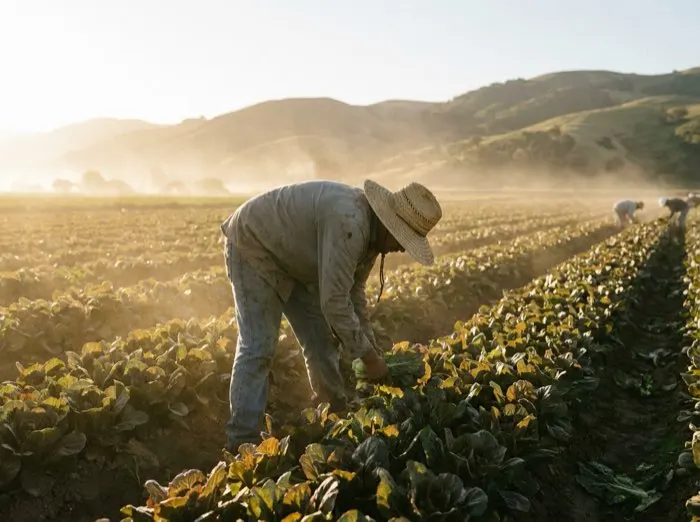
Agricultural Work in Greece: What You Need to Know
Greece relies heavily on foreign agricultural workers to keep its farms running. Every year, tens of thousands of farm hands come from outside the European Union to plant, prune, pick, and pack crops. If you are coming from South Asia, Africa, Central Asia, the Balkans, or Latin America, Greece offers a well-established legal route for agricultural work.
Unlike many countries in northern Europe where farming is heavily mechanized, Greek agriculture relies on direct physical labor. Harvesting delicate fruits like strawberries, peaches, and grapes requires careful hands. Because of this, Greek farm owners actively look for foreign workers who are physical, reliable, and ready to work outdoors.
You do not need a college degree or formal qualifications for general farm work in Greece. The main requirement is legal authorization through the national agricultural recruitment framework. Employers in Greece handle the official paperwork on your behalf before you enter the country. Your primary task is understanding where the jobs are, when hiring happens, and how to get noticed by farm owners.
Where the Jobs Are: Key Agricultural Regions in Greece
Farm hiring in Greece is tied to specific geographic regions. Each area specializes in certain crops and operates on its own calendar. Knowing which region grows what crop allows you to target the right employers at the right time.
- Ilia and Manolada (Peloponnese): This region in the western Peloponnese is famous across Europe for strawberry production. Large farms here employ thousands of foreign workers from late autumn through late spring. The work involves planting strawberry runners, maintaining poly-tunnel greenhouses, picking, and sorting.
- Crete (Ierapetra, Irakleio, and Chania): Crete is an agricultural power center. Ierapetra, on the southern coast, has the highest density of commercial greenhouses in Greece. Workers here grow tomatoes, cucumbers, peppers, and eggplant year-round. Outside the greenhouses, Crete has millions of olive trees that require seasonal harvesters every winter.
- Imathia and Pella (Central Macedonia): Located in northern Greece around cities like Veria, Naousa, and Edessa, this area is known as the fruit bowl of Greece. It produces massive harvests of peaches, nectarines, cherries, apples, and plums. The busiest period is late spring through early autumn.
- Argolis and Lakonia (Peloponnese): These southern regions are dominated by citrus orchards and olive groves. Towns like Nafplio, Argos, and Sparta see heavy hiring for orange, lemon, and olive pickers during the late autumn and winter months.
- Thessaly (Larissa and Karditsa): Thessaly contains vast flat plains dedicated to industrial crops like cotton, processing tomatoes, wheat, and corn, alongside large livestock operations. Livestock farms and machinery operators are needed year-round, while field crops peak in summer.
Seasons, Work Hours, and Pay in Greek Agriculture
Farm pay in Greece is based on national daily minimums for manual workers, called daily wage rates or hemeromischio. Your final earnings depend on the type of crop, the region, the season, and whether your employer provides basic food or lodging.
- Typical Monthly Net Pay: Most general farm workers in Greece earn between 700 EUR and 950 EUR net per month after local payroll deductions. Daily cash rates usually range from 35 EUR to 45 EUR net per day. Experienced workers or those who operate machinery can earn more.
- Housing and Accommodations: Many agricultural employers provide housing on or near the farm. In places like Manolada or rural Crete, accommodation may consist of shared farm housing or worker lodgings. Some employers cover housing costs fully, while others deduct a small, pre-agreed amount from monthly pay. Always confirm housing details before traveling.
- Working Hours and Overtime: Standard agricultural shifts run 7 to 8 hours per day, 6 days a week. During peak harvest windows, such as peach picking in June or olive picking in December, shifts can stretch longer. Extra hours mean higher weekly pay.
- Hiring Cycles: Summer (May to September) focuses on stone fruits, grapes, tomatoes, and cotton. Winter (October to February) focuses on olives, citrus fruits, and greenhouse maintenance. Spring (March to May) centers on strawberries and early vegetable crops.
Visas, Work Permits, and Legal Requirements
To work legally on a Greek farm as a non-EU citizen, you must follow the official entry process set by Greek immigration law under the national migration code. You cannot start working on a standard tourist visa.
- The Metaklisi System: This is the official seasonal hiring system in Greece. A Greek farm owner submits an application to their local Decentralized Administration (Apokentromeni Dioikisi) requesting a specific number of foreign workers. Once approved, the official authorization is sent to the Greek embassy or consulate in your home country.
- National Type D Visa: Once the approval is issued, you visit the Greek embassy in your country to collect your National Type D Visa for seasonal work. Seasonal permits generally allow you to work in Greece for up to 9 months in any 12-month period.
- Tax and Social Insurance Numbers: When you land in Greece, your employer helps you secure a Tax Identification Number (AFM) from the AADE tax agency and a Social Security Number (AMKA) through EFKA. These numbers allow your employer to pay you legally and ensure you are covered by basic state medical insurance for work injury risks.
- Licences for Farm Machinery: General pickers do not need formal certificates. However, if you drive agricultural tractors or heavy machinery, you must hold a valid tractor driving permit. In Greece, tractor permits are overseen by the Regional Directorate of Agricultural Economy and Veterinary Medicine.
- Language Demands: Greek employers do not expect foreign farm workers to speak fluent Greek. Basic English is helpful, but many farm supervisors speak conversational South Asian languages, Arabic, or Balkan languages. What matters most is learning basic Greek workplace safety terms once you arrive.
Reality Check: Common Myths About Farm Work in Greece
Many jobseekers get false information about how farm hiring works in Greece. Here are the clear facts:
- Myth: You can arrive on a tourist visa and convert it to a farm permit. Reality: You must secure your seasonal permit approval before you travel to Greece. Working on a tourist visa is illegal and leads to deportation.
- Myth: Agricultural work in Greece stops during winter. Reality: Winter is one of the busiest farm seasons in Greece due to the massive national olive harvest and citrus picking in Crete and the Peloponnese.
- Myth: You need formal agricultural diplomas to get hired. Reality: Greek farm owners value physical endurance, crop familiarity, and reliability far more than formal certificates.
- Myth: A Greek seasonal visa allows you to move and work in France or Germany. Reality: A Greek seasonal work permit grants legal working rights only inside Greece. It does not permit employment in other European countries.
- Myth: Seasonal visas take years to get. Reality: Seasonal agricultural permits are processed faster than year-round office permits, often taking just a few weeks to a couple of months after the employer files the application.
How to Stand Out and Get Found by Employers on Workuro
Greek farm owners and legal recruitment representatives use Workuro to search for ready non-EU workers when harvest seasons approach. To make sure your profile appears in their search results, you must include specific details about your skills and availability.
Start by listing the exact Greek regions you are prepared to work in, such as Ilia, Crete, Imathia, Thessaly, or Argolis. Specify the exact agricultural tasks you have done before, whether that is harvesting olives, picking strawberries, working in vegetable greenhouses, or pruning fruit orchards. If you have experience operating farm machinery or hold a tractor driver license, highlight that prominently.
List every language you speak, including English, Hindi, Punjabi, Bengali, Urdu, Tagalog, Arabic, or French. Complete profiles that state your physical readiness, specific crop experience, and regional preferences appear first when Greek employers search the platform. Fill out your Workuro profile today so Greek agricultural employers can connect with you directly for the upcoming harvest.
নিয়োগকর্তাদের নজরে আসতে প্রস্তুত?
২ মিনিটে আপনার প্রোফাইল তৈরি করুন। ফ্রি, কোনো ক্রেডিট কার্ড লাগবে না।
আরও পড়ুন