Working in Malta from Algeria: Visa, Permit, Costs (2026)

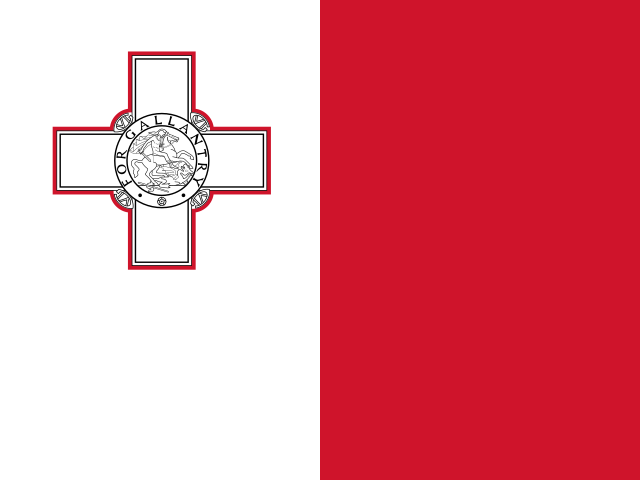 Malta
The permit route that actually applies to you
Malta's main door for non-EU workers is the single permit, applied for through Identita, the Maltese government agency that now handles both the employment and residence sides of the process together. For an Algerian going into construction, hospitality, warehouse or caregiving work, this is your route - there is no separate seasonal scheme that fits better. The employer in Malta applies first. They register the vacancy, usually have to show it was open to EU and Maltese candidates first, and then submit the single permit application naming you specifically once you're the chosen candidate. You, as the worker, cannot apply on your own without an employer already behind you.
Malta is genuinely a reasonable target for Algerians in these trades compared with many EU countries - it's small, English is an official language alongside Maltese, and the construction and tourism sectors have been hiring non-EU staff steadily. The catch is size: Malta is a small island, its annual intake of non-EU workers is limited relative to bigger EU states, and competition for visible vacancies can be real. If a specific Maltese employer isn't yet in the picture, keep an eye on France too, given the shared language and longer-established Algerian community there for construction and logistics work.
Where and how you apply
Malta does not maintain a large diplomatic network across North Africa, so apply for your entry visa at the nearest Malta embassy or visa centre serving Algeria - confirm which mission currently covers Algerian applicants, since Malta's visa processing for some countries is handled through another Schengen state's consulate rather than a Maltese one directly. Once Identita approves your employer's single permit application, you use that approval to apply for the entry visa at whichever mission is designated. After arrival in Malta, you complete biometrics and collect the physical single permit card locally.
Documents, costs and timelines
Expect to need: your signed employment contract, a passport valid well beyond the planned stay, a police clearance certificate from Algeria, proof of your trade qualification or relevant experience, and health insurance for the period before your Maltese cover kicks in. Algeria is not part of the Hague Apostille Convention, so your police clearance and other official documents will need full consular legalisation rather than a simple apostille - this usually means a stop at the Algerian Ministry of Foreign Affairs and then the relevant foreign consulate, which takes more time than an apostille does, so start this early.
Official Identita and visa fees and processing times are set by the Maltese government and do change, so confirm the current figures directly with Identita or the visa mission rather than relying on secondhand numbers. On your side, budget for the police clearance, legalisation fees at each stage, certified translation into English where needed, and your flight - costs vary enough by document and route that it's worth getting a written quote from a translator and checking current consular fees before you commit any money.
In Malta, as across most of the EU, the employer is expected to bear the cost of recruiting and hiring you - a worker should not be charged a fee for the job itself. Be wary of anyone in Algeria advertising 'guaranteed Malta jobs' through social media for an upfront payment, especially ones vague about the actual employer's name. Ask for the Maltese company's registration details and check them against Malta's official business registry yourself before sending any money for 'processing,' translation bundling, or travel arrangements tied to a job offer that hasn't been confirmed by Identita.
Malta's single permit is generally tied to your employment contract and issued for a set period, commonly up to a year, with renewal possible as long as the job continues or you move to another approved employer. If your contract ends or you're let go, there is usually a limited window to find new approved work before your permission to stay runs out, so keep every document Identita issues you and track your expiry date carefully.
Jobs Malta is actually hiring foreigners for
Construction remains one of the steadiest sources of non-EU hiring in Malta, driven by ongoing building projects across the island. Hospitality and tourism - kitchens, housekeeping, front-of-house roles - take on foreign staff heavily, especially during the busier months. Warehousing and logistics roles have also grown as Malta's import-dependent economy keeps expanding its distribution capacity. Manufacturing, including light industry and food production, also brings in non-EU staff, often alongside the hospitality roles that pick up heavily in the busy summer season.
Myths vs facts
Myth: Speaking French in Malta will get you by at work.
Fact: Maltese workplaces run mostly in English, so basic English matters far more day to day than French does.
Myth: You can land in Malta on a tourist visa and sort the work permit out once there.
Fact: the single permit and entry visa have to be arranged before travel, with the employer's application approved first.
Myth: Because Malta is small, non-EU hiring must be rare.
Fact: Malta actually relies heavily on foreign labour relative to its population, especially in construction and tourism.
Myth: Algerian documents just need an apostille like most countries now.
Fact: Algeria is not in the Apostille Convention, so full consular legalisation is required instead, which takes longer.
Before you sign
Malta's cost of living, especially rent, has risen sharply in recent years and can surprise workers who expect a small island to be cheap. Shared accommodation is common among foreign workers and often arranged or part-funded by the employer, so ask specifically what your net pay looks like after any housing deduction before you accept. Keep enough savings behind you to cover your first few weeks in case your first salary payment is delayed.
- Confirm Identita has actually received the employer's single permit application, not just a verbal job offer.
- Start document legalisation early - Algeria's non-Apostille status adds real time to the process.
- Get your contract in writing, with salary, hours and job title, before paying for translations or legalisation.
- Check the Maltese company's registration independently rather than taking an agency's word for it.
- Ask who is paying the recruitment and permit costs - it should be the employer, not you.
- Confirm which embassy or visa centre currently handles Algerian applications before booking any travel to lodge documents.
Put this on your Workuro profile
Once you have a realistic plan, put it on your Workuro profile in plain terms: the single permit as your target route, that your legalisation process is underway given Algeria's status outside the Apostille Convention, and your actual trade background in construction, hospitality or warehousing. A profile that shows you understand the Maltese process stands out to an employer who has seen plenty of vague applications. Workuro is free for workers - employers pay to search the register, and nobody may charge you for a job.
¿Listo para que te encuentren?
Crea tu perfil en 2 minutos. Gratis, sin tarjeta de crédito.
Sigue leyendo
