Farm and Agricultural Worker Jobs in Iceland for Foreign Workers (2026)
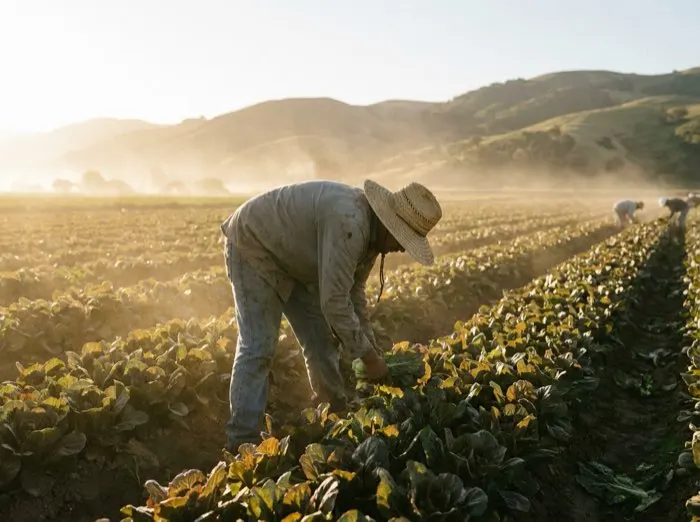
Agriculture in Iceland: A small market with specialized roles
If you are looking for massive open-field crop harvests, thousands of seasonal fruit-picking roles, or vast grain operations, Iceland is not the ideal destination. The country has a very small agricultural sector due to its volcanic landscape, cold soil, and limited daylight in winter. If your primary goal is finding large volume seasonal farm labor in Europe, larger agricultural producers such as Norway, Denmark, or Germany offer significantly more job openings for foreign workers.
However, Iceland does hire non-EU agricultural workers for very specific types of farming. The market relies heavily on high-tech greenhouses heated by geothermal energy and livestock farming focused on sheep and dairy cattle. Because the local population is small, farm owners frequently look abroad to fill long-term and seasonal positions. To work here legally as a non-EU citizen, you must secure a job offer first so your employer can apply for a work permit on your behalf before you travel to Iceland.
Key regions and what agricultural work looks like
Icelandic farming is concentrated in specific geographic regions where geothermal water is abundant or where flat land supports grazing and silage production. Knowing where these farm clusters are located helps you target your job search effectively.
- Suðurland (South Iceland): This is the heart of Icelandic greenhouse production. Towns like Flúðir and Hveragerði are famous for geothermal greenhouses growing tomatoes, cucumbers, bell peppers, strawberries, and mushrooms. Jobs here involve indoor crop maintenance, pruning, harvesting, and packaging year-round.
- Borgarfjörður (West Iceland): A major center for dairy cattle and sheep farming. Work here involves milking routines, animal care, feed management, and farm maintenance.
- Eyjafjörður (North Iceland): Known for broad valley landscapes, dairy production, and summer hay harvesting. Farmhands in this area operate tractors, manage livestock, and prepare silage for winter feed.
Greenhouse farming is physical but sheltered from Iceland's severe weather. Livestock farming, on the other hand, requires working outdoors in wet, windy, and cold conditions. On small family farms, your duties will be varied, ranging from tractor operation to fixing fences and feeding cattle.
Work permits, regulations, and tractor licenses
As a worker from outside the EU or European Economic Area (EEA), you cannot simply move to Iceland and look for work. You need a formal employment contract signed by an Icelandic farm owner. The hiring process involves two main government agencies: Vinnumálastofnun (the Directorate of Labour) and Útlendingastofnun (the Directorate of Immigration).
Before Vinnumálastofnun approves a work permit, the employer must demonstrate that they attempted to hire an Icelandic or EU/EEA citizen first. For temporary or specialized agricultural labor, employers can obtain work permits when local labor is unavailable. Once the work permit is approved by Vinnumálastofnun, Útlendingastofnun issues the residence permit. You must wait for final approval before traveling to Iceland.
- Tractor driving credentials: Operating agricultural machinery requires a valid driver's license. In Iceland, operating a tractor requires a standard B-class driver's license or a specialized tractor license (Dráttarvélapróf), regulated by Samgöngustofa (the Icelandic Transport Authority). Having an international driving permit or a category B license from your home country is a major asset.
- Health and safety standards: Chemical handling for crop protection is strictly monitored by Matvælastofnun (MAST - the Icelandic Food and Veterinary Authority). Greenhouse operations prioritize biological pest control over chemical pesticides, so formal pesticide certificates are rarely required for general farmhands.
Pay rates, union contracts, and net monthly income in ISK
Iceland has no statutory minimum wage set by the government. Instead, wages are set by collective bargaining agreements (kjarasamningar) negotiated by labor unions. Every worker in Iceland, including foreign farm laborers, must be paid according to these union wage scales.
Agricultural workers are typically represented by Starfsgreinasamband Íslands (SGS) or local unions such as Efling in the south. These agreements establish mandatory pay floors based on your age, experience, and working hours.
- Gross monthly pay: For a full-time general farm or greenhouse worker, standard gross monthly wages range between 420,000 ISK and 500,000 ISK for standard daylight hours.
- Overtime and shift differentials: Work done outside regular hours, on weekends, or during holidays receives compulsory overtime pay boosts ranging from 33 percent to 80 percent above base hourly rates.
- Net monthly pay (after tax): Income tax in Iceland uses a tiered system, offset by a individual tax credit called persónuafsláttur. After income tax and mandatory pension contributions (4 percent worker contribution), your typical net take-home pay ranges between 320,000 ISK and 390,000 ISK per month (approximately 2,150 to 2,600 EUR depending on exchange rates).
- Accommodation: Because many farms are in remote rural areas, farm owners often offer staff housing on or near the property. Employers may deduct a reasonable, pre-agreed rental fee from your paycheck, which is often much cheaper than renting in urban areas like Reykjavík.
Seasons, hiring cycles, and English requirements
The agricultural hiring cycle in Iceland depends on whether the job is indoors or outdoors. Greenhouses run continuously, while outdoor livestock farms experience sharp peaks during specific months.
- Greenhouse hiring (Year-round): Geothermal heating and high-intensity LED lighting allow greenhouses in Flúðir and Hveragerði to produce crops 12 months a year. Hiring occurs constantly as production cycles reset.
- Spring lambing season (April to May): Sheep farms require short-term extra hands to help with lambing, newborn care, and night watches.
- Summer haymaking (June to August): Livestock farms need workers for grass cutting, baling, and wrapping silage to prepare animal feed for the long winter.
- Autumn sheep roundups (September): Known locally as réttir, the traditional autumn gathering of sheep from highland pastures requires extra farmhands and drivers.
Language requirements on Icelandic farms are straightforward. You do not need to speak fluent Icelandic to land an entry-level farm job. However, functional English is essential for safety, following instructions, and communicating with farm managers. Learning basic Icelandic farming terminology once you arrive is appreciated and helps you integrate faster.
Reality check: Common myths about farming in Iceland
- Myth: You can enter as a tourist and convert to a work permit later. Reality: Icelandic immigration rules are strict. Working on a tourist visa is illegal, and work permits must be fully processed and approved before you arrive in the country.
- Myth: Greenhouse work is freezing cold in winter. Reality: Icelandic greenhouses are powered by hot geothermal water and remain warm (20 to 24 degrees Celsius) even during winter snowstorms.
- Myth: Farm wages are open to individual bargaining. Reality: Employers cannot pay below the union minimums established by SGS or Efling. Pay scales are set by law and union contracts.
- Myth: Public transport will get you to work every day. Reality: Rural transport in Iceland is extremely limited. If you work on a traditional farm outside major towns, having a driver's license is almost mandatory.
Build a complete Workuro profile to reach Icelandic employers
Icelandic agricultural employers facing local staffing shortages actively search candidate databases to find qualified international workers who already meet their requirements. To make your profile stand out to farm managers in Suðurland, Borgarfjörður, or Eyjafjörður, make sure to add specific, detailed credentials to your Workuro profile.
Be explicit about your practical background. Highlight experience in greenhouse crop maintenance, tomato picking, dairy production, or livestock handling. Specify if you hold a valid category B driver's license or have experience operating tractors and farm machinery. Clearly state your level of spoken English, your availability for seasonal or year-round contracts, and your readiness to relocate once a work permit is approved.
By presenting accurate qualifications and clear details on your profile, you make it easy for Icelandic employers to verify your skills, contact you directly, and initiate the work permit application process.
काम खोजने के लिए तैयार हैं?
2 मिनट में अपनी प्रोफाइल बनाएं। बिल्कुल मुफ्त, क्रेडिट कार्ड की ज़रूरत नहीं।
आगे भी पढ़ें