Farm and Agricultural Worker Jobs in Poland for Foreign Workers (2026)
Agricultural Demand and Key Regions in Poland
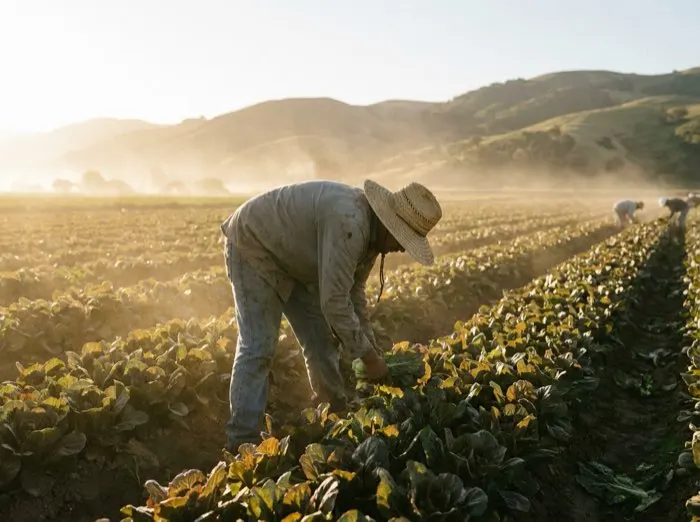
Poland is one of the largest agricultural producers in the European Union. Every year, farms across the country require thousands of foreign workers to plant, tend, harvest, and package crops. If you are coming from outside the EU - such as South Asia, Central Asia, Africa, or Latin America - Poland offers direct, legal routes for agricultural work. Demand is strong for both short-term seasonal harvesters and full-time, year-round farm staff.
Agricultural work in Poland is concentrated in specific regions depending on the crop. Knowing where these hubs are helps you target the right employers:
- Grójec and Warka (Mazowieckie region): Located just south of Warsaw, this area is known as the apple capital of Europe. Millions of fruit trees require pickers, sorters, and tractor drivers every autumn.
- Wielkopolska (around Poznań): A major center for large arable farms, modern greenhouse complexes growing tomatoes and cucumbers, and livestock facilities (dairy and poultry).
- Lubelskie (Eastern Poland): Famous for soft fruit cultivation, including strawberries, raspberries, and blackcurrants, as well as hop plantations.
- Siedlce and Łódzkie: Famous for large-scale mushroom farming (pieczarkarnie). Mushroom cultivation happens indoors and runs continuously throughout the entire year.
Seasonal Schedules vs Year-Round Farm Roles
Farm work in Poland follows two clear operational patterns: outdoor seasonal harvesting and climate-controlled indoor production.
Seasonal outdoor work relies on weather cycles. The primary picking schedule runs from late spring through late autumn:
- May to July: Soft fruits such as strawberries, cherries, and raspberries.
- July to August: Blueberries, plums, and grain harvesting.
- September to November: Apple harvest peak, followed by cabbage, root vegetables, and sugar beets.
If you prefer stable employment that lasts all year, target indoor agricultural sectors. Mushroom houses and automated greenhouses operate 12 months a year. Dairy farms, cattle ranches, and poultry farms also require ongoing care, animal feeding, and facility maintenance regardless of the season.
Work Permits and Mandatory Certificates in 2026
To work legally on a Polish farm, you must have an official work permit secured by your employer before you apply for your visa. Work permits for agriculture fall under specific legal categories in Poland:
- Type S Seasonal Work Permit (Zezwolenie na pracę sezonową): Issued by the local labor office (Powiatowy Urząd Pracy or PUP) at the request of the farmer. It allows non-EU citizens to work in agriculture or horticulture for up to 9 months in a calendar year.
- Type A Work Permit (Zezwolenie na pracę typ A): Used for full-time, long-term employment exceeding 9 months. This permit is granted by the regional government office (Urząd Wojewódzki) and is typical for year-round positions in greenhouses or livestock farms.
- Sanitary-Epidemiological Booklet (Książeczka sanepidowska): Required for anyone handling food products, including fresh fruit and vegetables. You must take a simple medical test after arriving in Poland to get this health certificate.
- Machinery Certifications (UDT or Category T Driver License): General crop picking does not require previous qualifications. However, if you can drive a tractor (Category T or B+E) or operate a forklift certified by the Office of Technical Inspection (Urząd Dozoru Technicznego - UDT), your value to employers increases significantly.
Realistic Pay Rates and Net Monthly Income
Pay on Polish farms is regulated by national minimum wage standards, though structure varies by the type of work you do. In 2026, general field labor pays an hourly rate, while seasonal fruit picking often pays by weight or volume (piece-rate or na akord).
Here is what you can expect regarding income and expenses:
- Hourly net pay: Standard agricultural roles pay between 22 PLN and 28 PLN net per hour. Specialized roles, like machinery operators, can earn 28 PLN to 35 PLN net per hour.
- Typical monthly net income: For a standard 180 to 220 hour month, realistic net earnings range from 3,800 PLN to 5,500 PLN (roughly 880 EUR to 1,280 EUR) after taxes and social security (ZUS) deductions. Peak seasonal pickers working on piece-rate can sometimes earn more.
- Accommodation provided by employers: Many Polish farm owners provide workers with shared housing on or near the farm. Some cover housing completely, while others deduct a small monthly fee (typically 200 PLN to 400 PLN) from your pay to cover utilities and maintenance. Always confirm housing terms before accepting an offer.
Language Expectations on Polish Farms
You do not need to speak fluent Polish to work in basic agricultural roles. On large farms, supervisors often communicate using basic commands or simple international terms. Workers from various countries frequently share practical task instructions in Ukrainian, Russian, or English.
However, learning basic work-related Polish will make your stay much easier and safer. Focus on learning words for numbers, tools, directions, safety rules, and farm equipment. If you want to move up into a group leader role, farm manager position, or tractor operator job, basic conversational Polish becomes essential.
Reality Check: What Workers Get Wrong
To protect yourself from scams and avoid difficult situations, keep these facts in mind when looking for farm work in Poland:
- Seasonal permits do not allow work in other countries: A Polish Type S seasonal work permit allows you to work legally only in Poland for the specific employer named on the document. It does not give you the right to work in Germany, France, or any other Schengen country.
- Permits are tied to a specific employer: If you leave your farm without registering a new work permit with the local labor office, your stay becomes illegal. You cannot simply switch farms without updating your legal paperwork.
- Physical demands are high: Harvesting crops outdoors involves long hours in hot sun or cold autumn rain, constant bending, lifting heavy crates, and repetitive physical labor. It is demanding work that requires good physical health.
- Processing times require patience: Obtaining a Type S permit from the local PUP office usually takes 2 to 6 weeks, while a Type A permit from the Wojewoda can take several months depending on the region. Start your job search early.
Put These Specifics into Your Workuro Profile
Employers in Poland look for clear, practical details when searching for agricultural staff. When you set up or update your Workuro profile, make sure you include the exact technical details mentioned in this article to stand out to employers searching for reliable workers:
- Highlight specific machinery skills: List any experience driving tractors, operating forklifts, or using automated sorting equipment. Mention if you hold a Category T or B license.
- Specify your crop experience: State clearly if you have experience with soft fruits, apple orchards, greenhouse crops (tomatoes, cucumbers), indoor mushroom growing, or livestock handling.
- State your target regions: Mention if you are open to working in fruit hubs like Grójec and Lubelskie, or greenhouse and farming zones like Wielkopolska.
- List your language skills: Clearly state your English level and any basic Polish, Ukrainian, or Russian you know.
- Indicate your availability: State whether you are seeking short-term seasonal work (3 to 9 months) or long-term year-round positions.
By keeping your profile complete and accurate, Polish employers can review your qualifications quickly and match you directly with legitimate farm jobs.
काम खोजने के लिए तैयार हैं?
2 मिनट में अपनी प्रोफाइल बनाएं। बिल्कुल मुफ्त, क्रेडिट कार्ड की ज़रूरत नहीं।
आगे भी पढ़ें