Farm and Agricultural Worker Jobs in Portugal for Foreign Workers (2026)
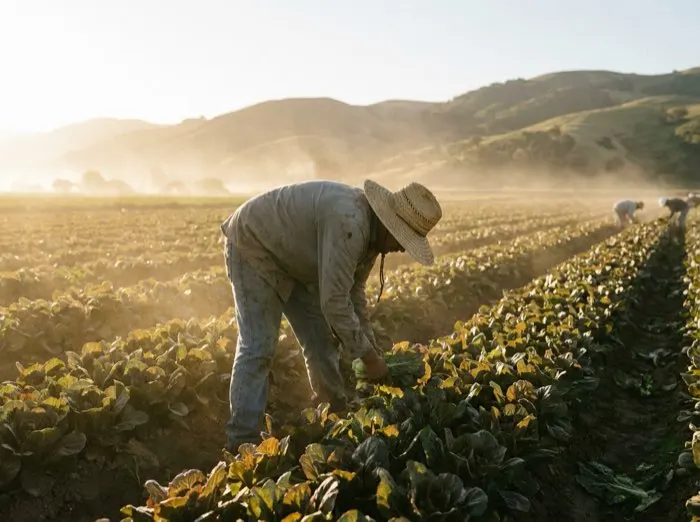
Where Agricultural Jobs Are Located in Portugal
Portugal relies heavily on workers from outside the European Union to keep its agricultural sector moving. Unlike some northern European countries where farm work takes place only in mid-summer, Portugal has a mild climate that allows year-round farming in modern greenhouse networks alongside large seasonal open-field harvests.
Demand for foreign agricultural labor in Portugal is high. You do not need to look elsewhere in Europe if you want to work on a farm, but you must target the specific regions where large farms and agricultural companies recruit heavy numbers of foreign workers.
- Alentejo and Odemira: The southwestern coast around Odemira, Mira, and Zambujeira do Mar is famous for soft fruit production, including raspberries, blueberries, and strawberries in large greenhouse complexes. Further inland, around Ferreira do Alentejo, Beja, and Serpa, large irrigation projects support massive olive groves and almond orchards.
- The Oeste Region: Areas surrounding Torres Vedras, Bombarral, Cadaval, and Lourinhã form the agricultural heartland of central coastal Portugal. This region focuses on pear orchards (specifically the famous Rocha pear), apple orchards, and intensive vegetable farming.
- Cova da Beira and Fundão: Situated in central-eastern Portugal, the valley around Fundão and Covilhã is Portugal's primary cherry-growing region, requiring thousands of seasonal harvesters every spring.
- Douro Valley and Alentejo Wine Zones: Wine production is a major employer across the Douro region (around Peso da Régua and Pinhão) and throughout the interior Alentejo region (around Évora, Borba, and Reguengos de Monsaraz).
- The Algarve: The southern coastal strip around Silves, Tavira, and Faro features extensive citrus groves (oranges and lemons), avocado plantations, and soft-fruit production.
The hiring calendar in Portugal follows distinct agricultural cycles depending on the crop:
- Soft fruits (berries): High demand runs from February to July inside greenhouses and open fields.
- Cherries and stone fruits: Peak harvesting occurs from late April through July.
- Grape harvest (Vindima): Grape picking runs from late August through October.
- Olive harvest: Major harvesting runs from late October through January.
- Citrus and vegetables: Harvesting and field maintenance occur almost year-round across southern and coastal farms.
Pay Ranges and Working Conditions in Portuguese Agriculture
Farm pay in Portugal is calculated on a monthly base rate, which is governed by the national minimum wage and sector-specific collective bargaining agreements (Contrato Coletivo de Trabalho de Trabalho Agrícola).
- Base monthly pay: The national minimum wage in Portugal is projected to reach between 870 Euros and 920 Euros gross per month in 2026. Entry-level general farm workers usually start at this legal baseline for a standard 40-hour workweek.
- Typical net monthly income: After social security contributions (11 percent) and income tax deductions, a full-time farm worker earns a net monthly salary between 720 Euros and 850 Euros.
- Overtime and harvest bonuses: During peak harvest seasons, farm workers often work up to 48 or 50 hours per week. With legal overtime payments, net monthly earnings can rise to between 900 Euros and 1,100 Euros.
- Housing and food: Some large farm operations offer free or subsidized staff accommodation near the fields. If an employer provides housing, statutory rules dictate that payroll deductions for lodging must remain fair and cannot drop your net salary below legal survival limits. Always confirm whether housing is included before accepting an offer.
Visas, Work Permits, and Legal Routes to Portugal
To work legally in Portugal as a non-EU citizen, you must secure legal entry and work authorization. Portugal's national immigration agency, AIMA (Agência para a Integração, Migrações e Asilo), handles residence permits and legal stay processing inside the country.
- Subordinated Work Visa (D1 Visa): This is the standard long-term work visa. To get a D1 visa, an agricultural employer in Portugal must issue you a formal employment contract or a formal job offer. You take this contract to the Portuguese embassy or consulate in your home country to get your entry visa before traveling.
- Job Seeker Visa (Visto para Procura de Trabalho): Portugal offers a specific visa allowing foreign nationals to enter the country for 120 days (renewable by 60 days) to look for work in person. If you secure a farm contract during this period, you can apply for a formal residence permit directly at AIMA without leaving Portugal.
- CPLP Mobility Agreement: Citizens of Portuguese-speaking nations (such as Brazil, Angola, Mozambique, Cape Verde, Guinea-Bissau, and São Tomé and Príncipe) benefit from a streamlined visa route under the Community of Portuguese Language Countries treaty, making job mobility faster.
- Shortage status: General farm hands, tractor operators, and fruit pickers are recognized as high-demand roles across Portugal. Employers face few administrative barriers when trying to prove they need foreign workers for these positions.
- Tax and Social Security Registration: Before starting work, your employer will help you obtain a tax identification number (NIF - Número de Identificação Fiscal) and a social security number (NISS - Número de Identificação da Segurança Social).
Required Skills, Licences, and Languages
While manual picking roles require no formal university qualifications, having verified agricultural skills or technical licences allows you to earn higher pay rates and secure year-round employment.
- Tractor driving certification: To operate tractors on Portuguese farms and public rural roads, you must hold a valid driver's licence with a category for agricultural vehicles, or complete a recognized certification course (Operador de Tratores Agrícolas).
- Pesticide applicator certificate: Workers who apply crop protection products or handle agricultural chemicals must hold an official certificate (Aplicação de Produtos Fitofarmacêuticos) overseen by DGADR (Direção-Geral de Agricultura e Desenvolvimento Rural).
- Language requirements: You do not need to speak fluent Portuguese to work as a general field hand. Field crews often communicate in basic English, Hindi, Bengali, Nepali, or Spanish. However, if you want to become a crew supervisor, tractor driver, or farm manager, having basic conversational Portuguese (A2 level) is extremely valuable.
- Physical health: Harvesting work requires physical endurance, bend-over labor, and the ability to work in warm greenhouse conditions during Mediterranean summers.
Reality Check: What Workers Often Get Wrong
- Expecting free housing in every job: Some recruitment ads promise free housing, but many rural employers expect you to rent a bed in shared worker accommodations in local towns. Always clarify housing terms in writing.
- Working on a tourist visa: Working on a standard Schengen tourist visa is illegal in Portugal. You must enter on a valid D1 visa, a Job Seeker visa, or a CPLP mobility visa to work lawfully.
- Assuming seasonal work is year-round in one place: Berry or cherry seasons last a few months. Unless you work for a large diversified agricultural company or a continuous greenhouse operation, you may need to move to different regions in Portugal as crop seasons change.
- Paying middlemen for job offers: You should never pay money to an agency or employer to secure a job contract in Portugal. Genuine agricultural businesses cover their own hiring costs.
- Underestimating summer heat: Summer temperatures in interior regions like Alentejo can reach over 38 degrees Celsius. Farm work requires hydration, proper gear, and physical stamina.
Build Your Workuro Profile to Get Found by Portuguese Employers
Agricultural employers and registered labor recruiters in Portugal regularly search Workuro when they need to hire field crews, tractor drivers, and harvest workers for upcoming crop seasons.
To make sure Portuguese farms can find your details when searching the registry, build a complete profile that includes all of your real experience:
- Specify your crop experience: Clearly list whether you have worked with berries, olives, apples, pears, grapes, or greenhouse vegetables.
- Add your machinery licences: State clearly if you hold a tractor driver's licence or certifications for operating heavy farm machinery.
- Select your preferred regions: Mention if you are willing to work in Alentejo, the Algarve, the Oeste region, or central Portugal.
- Declare your languages: List your level in English, Portuguese, Spanish, or any other languages you speak.
- Keep contact information current: Ensure your email address and WhatsApp contact number are accurate so employers can reach out directly with contract proposals.
काम खोजने के लिए तैयार हैं?
2 मिनट में अपनी प्रोफाइल बनाएं। बिल्कुल मुफ्त, क्रेडिट कार्ड की ज़रूरत नहीं।
आगे भी पढ़ें