Hotel & Hospitality Jobs in Malta for Foreign Workers (2026)

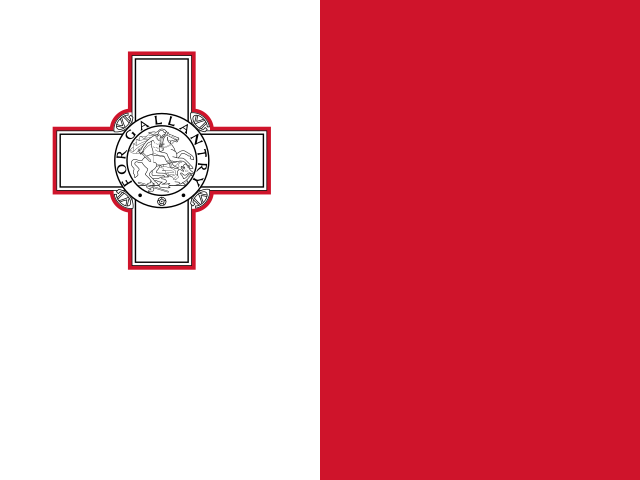 Malta
MaltaHospitality Demand in Malta: Where the Jobs Are
Malta is one of the top holiday destinations in the Mediterranean. Every year, millions of travelers visit this sunny island nation for its beaches, historic towns, and warm weather. Because the local Maltese population is small, the hotel and restaurant industry depends heavily on workers from outside the European Union. If you are looking for hotel and hospitality jobs in Malta, there are real opportunities for housekeepers, waiters, cooks, and front desk staff.
The Maltese hospitality sector is concentrated in specific geographic hubs across the main island of Malta and its smaller sister island, Gozo. Knowing where employers operate helps you target your job search effectively.
- St. Julian's and Sliema: This is the major commercial and nightlife center located on the central-eastern coast. St. Julian's includes Paceville, the heart of Malta's entertainment district, alongside large luxury hotels like the Hilton, Westin, and InterContinental. Sliema features boutique hotels, seaside restaurants, and cafes. Demand here continues year-round, though peak activity occurs in summer.
- Valletta: Malta's capital city is a UNESCO World Heritage site filled with historic boutique hotels, high-end dining establishments, and wine bars. Hotels in Valletta operate continuously to serve business travelers and cultural tourists. Employers here value professional customer service experience.
- Buġibba, Qawra, and Saint Paul's Bay: Located in the northern region, these coastal areas feature large resort hotels, beach clubs, and holiday apartments. These regions conduct massive recruitment drives for seasonal staff, including room attendants, pool attendants, and buffet line cooks.
- Mellieħa: Known for long sandy beaches and large family resorts around Għadira Bay. Recruitment here peaks sharply between spring and autumn.
- Gozo (Marsalforn and Xlendi): Gozo offers a quieter setting focused on boutique farmhouses, eco-resorts, and coastal seafood restaurants in villages like Marsalforn and Xlendi. Employers in Gozo often seek flexible staff capable of handling multiple duties in smaller teams.
Positions with the highest volume of openings for non-EU applicants include:
- Housekeepers and room attendants: Essential for keeping hotels running smoothly during high guest turnover.
- Commis chefs and line cooks: Needed across hotel buffets, Italian restaurants, and resort kitchens.
- Food and beverage servers: Waiters and waitresses for hotel dining rooms, outdoor terraces, and cafes.
- Kitchen porters: Entry-level positions handling dishwashing, basic food prep, and kitchen cleaning.
The Single Permit Route and Key Regulations
To work legally in Malta as a non-EU citizen, you need a Single Permit. This document combines your work permit and residence permit into a single identity card. The authorization process is managed by Identità, the official government agency responsible for residence and identity management in Malta.
- Employer Sponsorship: You cannot apply for a Single Permit on your own. A registered employer in Malta must initiate and submit the application on your behalf through the Identità online portal.
- Processing Timeline: Approval usually takes between 2 to 4 months. During this period, official background checks and contract reviews take place.
- Labour Market Testing: Employers must demonstrate to Jobsplus, Malta's national employment agency, that they tried to recruit Maltese or EU candidates first. Because hospitality is a high-demand sector, this authorization step moves quickly for roles like cooks and room attendants.
- The Tourism Skills Pass: Malta requires foreign hospitality workers to obtain a Tourism Skills Pass before visa processing is finalized. Administered through the Institute of Tourism Studies (ITS), this online process assesses your basic English language fluency, customer care standards, and understanding of local tourism guidelines.
Required Licences, Certifications, and Language Skills
Maltese employers and health inspectors enforce workplace rules strictly. Holding the correct credentials makes your job application much stronger.
- Food Handler License (Category B): If your job involves touching food or drink, you must hold a valid Food Handler License. Issued under the authority of the Directorate for Environmental Health, this requires completing a brief training course on food safety, hygiene, and cross-contamination. Category B is the standard requirement for kitchen staff and food servers.
- English Language Proficiency: English is an official language in Malta and the primary language used in hospitality businesses. Customer-facing staff, such as waiters, bartenders, and receptionists, must demonstrate spoken English at a B1 or B2 level. For back-of-house roles like housekeepers or dishwashers, basic conversational English (A2 level) is necessary to follow safety directions and daily work instructions.
- Additional Languages: Italian is widely spoken across the islands. Fluency in Italian, German, or French is a major advantage for front desk positions at high-end hotels in Valletta and St. Julian's.
- Formal Qualifications: Diplomas from vocational culinary or hotel schools in your home country are valuable, especially for kitchen roles. However, proven practical experience and passing the Tourism Skills Pass assessment are often the main requirements for general hospitality jobs.
Pay Expectations and Monthly Living Realities
Understanding realistic income and expenses helps you plan your relocation successfully.
- Net Monthly Wages: Most entry-level hospitality positions, such as room attendants, commis chefs, and waiters, earn between €800 and €1,100 net per month after taxes and national insurance deductions.
- Mid-Level Roles: Experienced line cooks, shift supervisors, and head waiters earn between €1,100 and €1,500 net per month.
- Tips: In busy tourist areas like St. Julian's, Sliema, or Valletta, servers and bartenders can earn an additional €100 to €300 per month in cash tips during peak summer months. Tip earnings drop during the winter season.
- Housing Costs: Rent in Malta can be high relative to base salaries. Single apartments in central areas like Sliema or St. Julian's often cost €700 to €1,000 per month, which is too high for a single income. Most foreign hospitality workers share multi-bedroom apartments with colleagues or friends, paying between €250 and €450 per month for a private room in nearby towns like Msida, Gżira, or Saint Paul's Bay.
Hiring Cycles and Seasonal Planning
Timing your application correctly is important due to Malta's tourist calendar and permit processing schedules.
- Peak Season (May to October): Summer brings maximum hotel occupancy across the islands. Restaurants, beach clubs, and resorts operate at full capacity.
- Recruitment Window (January to March): Maltese employers actively recruit early in the year. Applying during these months allows Identità enough time to process your Single Permit so you can arrive in time for the spring start.
- Winter Season (November to April): Tourism slows down in coastal resort towns like Buġibba and Mellieħa, where seasonal venues may close. However, luxury year-round hotels in Valletta, St. Julian's, and Sliema keep permanent staff and replace departing team members throughout the winter.
Reality Check: Common Misconceptions About Malta
- Myth: You can travel to Malta on a tourist visa and start working immediately. Reality: Working on a tourist visa is strictly illegal. You must wait for your Identità approval letter and work authorization before starting any job. Working illegally can result in deportation and a Schengen region entry ban.
- Myth: You do not need English if you work in the kitchen or housekeeping. Reality: Hospitality teams in Malta are international. English is the common language used for daily communication, safety training, and passing the mandatory Tourism Skills Pass.
- Myth: You can easily switch employers as soon as you arrive. Reality: Your Single Permit is linked directly to the specific employer who sponsored you. If you leave that employer, your permit is canceled, and a new employer must submit a full new application.
- Myth: Tips will double your base earnings every month. Reality: Tips fluctuate based on season and venue location. You should plan your monthly budget based strictly on your contract wage.
Build Your Workuro Profile to Get Found by Maltese Employers
Maltese hotel managers and recruitment agencies search Workuro to find reliable workers for upcoming tourist seasons. Having a complete, specific profile ensures that employers can easily verify your background and contact you directly.
To make your Workuro profile stand out to recruiters in Malta, make sure to add these key details:
- Your exact job trade: Clearly state your primary role, such as Room Attendant, Commis Chef, Food and Beverage Server, or Kitchen Porter.
- Language abilities: List your English fluency level clearly (for example, Conversational B1 or Fluent B2), and mention any knowledge of Italian, French, or German.
- Maltese certifications: Indicate if you have completed or prepared for the Tourism Skills Pass or if you hold a Category B Food Handler License.
- Preferred work regions: List the specific towns in Malta you want to work in, such as St. Julian's, Sliema, Valletta, Buġibba, or Gozo.
- Practical workplace experience: Include concrete details about your past duties, such as the number of hotel rooms cleaned per day, table service experience, or kitchen station responsibilities.
When your profile highlights these detailed facts, Maltese employers can review your profile quickly and initiate the process to bring you to Malta.
Chcesz dać się znaleźć pracodawcom?
Stwórz profil w 2 minuty. Za darmo, bez karty.
Czytaj dalej