Chef and Kitchen Worker Jobs in Malta for Foreign Workers (2026)

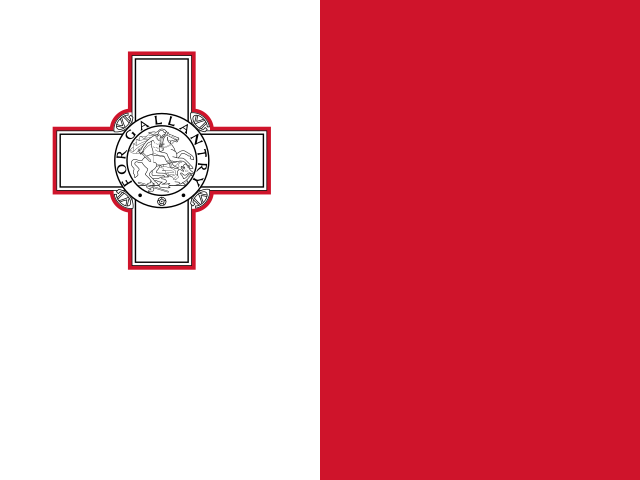 Malta
MaltaWhy Malta Needs Chefs and Kitchen Staff in 2026
Malta is a small Mediterranean island nation with a massive tourism and restaurant industry. Every year, millions of visitors flood into the country. Because the local workforce is relatively small, Maltese hotels, beach clubs, and restaurants rely heavily on workers coming from outside the European Union. You will find workers from India, Nepal, the Philippines, Kenya, Colombia, Serbia, and many other non-EU countries in almost every commercial kitchen on the island.
Demand for kitchen workers remains strong throughout 2026. High-end fine dining spots in Valletta, busy seafront establishments in Sliema and St. Julian's, nightlife venues in Paceville, and large family resorts in Buġibba, Qawra, and Mellieħa constantly hire chefs, line cooks, and kitchen porters. The quieter sister island of Gozo also sees huge demand, especially in tourist spots like Victoria and Marsalforn during the warmer months.
If you are looking for a job as a commis chef, pastry cook, line chef, or kitchen helper, Malta offers a direct path into the European culinary sector. However, the country has specific rules, permits, and quality controls that you must understand before applying for jobs.
Mandatory Qualifications: MTA Skills Pass and Food Handling License
Malta has strict regulations for healthcare, hygiene, and service standards in hospitality. Before you can legally work in a Maltese kitchen, you must meet two main credential requirements set by local authorities.
- MTA Skills Pass: The Malta Tourism Authority (MTA) mandates a mandatory Skills Pass for non-EU hospitality workers. This program checks your English language communication, basic customer service understanding, and industry skills. You must complete online training modules and pass an online verification assessment before your work visa application can proceed.
- Food Handling License (Category A or B): Anyone working near food in Malta must hold a registered Food Handling Card. The course covers food safety, temperature control, cross-contamination, and hygiene regulations. It is overseen by the Food Safety Commission and delivered by approved training providers or the Institute of Tourism Studies (ITS). Category A is generally required for basic kitchen helpers, while Category B is required for chefs and supervisors who handle high-risk unprepared food.
- Language Level: While Maltese is an official language, English is widely spoken and serves as the main language in commercial kitchens across Malta. You do not need to speak Maltese, but you must have a practical working level of spoken English (B1 or higher) to follow orders safely in a fast-paced environment.
The Identita Single Permit Route for Kitchen Workers
As a worker from outside the European Union, you cannot simply travel to Malta on a tourist visa to start working. You need a legally binding work permit approved by Identita, the Maltese government agency responsible for residence and employment documentation.
The standard route is the Single Permit process. This combined work and residence permit is tied directly to one specific employer. Your Maltese employer must start the application on your behalf by proving they could not find a local or EU worker to fill the position. Here is how the process works:
- Job Offer First: You secure a written employment contract with a registered Maltese restaurant, hotel, or catering company.
- Approval in Principle: Your employer submits your application, MTA Skills Pass certificate, food handling credential, passport copy, and CV to Identita. Processing usually takes between 2 and 4 months.
- Entry Visa: Once Identita issues an Approval in Principle letter, you apply for an entry visa (Type D national visa) at the nearest Maltese embassy or official VFS Global visa centre in your home country.
- Final Residence Card: After arriving in Malta, you complete a medical check, present your original documents to Identita, and receive your official Single Permit plastic card.
Salaries, Working Hours, and Seasonal Cycles
Pay rates in Malta are governed by national minimum wage regulations and industry standards. Hospitality workers are usually paid hourly or on a monthly salary. Here is what you can realistically expect in net monthly pay after taxes and social security contributions are deducted:
- Kitchen Helpers and Kitchen Porters: €850 to €1,050 net per month for a standard 40-hour work week.
- Commis Chefs and Line Cooks: €1,000 to €1,300 net per month, depending on previous professional experience.
- Demi Chefs and Chef de Partie: €1,300 to €1,650 net per month.
- Head Chefs and Sous Chefs: €1,700 to €2,400+ net per month in high-volume or luxury hotel kitchens.
The hiring season in Malta follows a predictable pattern. The summer tourist season runs from April to October. Major hotels and beachfront restaurants begin recruiting heavily between January and March so that workers can obtain their visas before the spring rush. However, urban entertainment centers like Paceville, Sliema, and central Valletta operate year-round, offering steady employment even during the winter months from November to February.
Reality Check: Common Mistakes Kitchen Workers Make in Malta
To avoid spending money on bad advice or facing illegal situations, keep these common missteps in mind before starting your application:
- Arriving on a Tourist Visa to Work: Working without a valid Identita Single Permit is illegal in Malta. Doing so can lead to immediate deportation and a multi-year entry ban across the entire Schengen area.
- Underestimating Housing Costs: Accommodation in high-demand areas like Sliema, St. Julian's, and Valletta is expensive. Many foreign workers share an apartment or rent a private room to save money. Gozo offers significantly lower rent costs, but fewer overall winter jobs.
- Skipping the MTA Skills Pass: Employers cannot complete your Identita work permit application without your MTA Skills Pass approval. Putting off this test will delay your visa by months.
- Paying Illegal Job Placement Fees: You should never pay an agency or recruiter a fortune for a job contract. Under Maltese law, registered employers pay the official visa and processing fees, not the worker.
- Expecting 40-Hour Weeks Year-Round: Kitchen work during the peak summer months often involves longer shifts and overtime. Make sure your contract clearly states overtime pay rates or time-off compensation.
Key Regions for Culinary Jobs in Malta
Understanding where hospitality businesses are located helps you target your applications more effectively:
- Valletta: The capital city is filled with boutique hotels, wine bars, and fine dining establishments. These places prefer skilled line cooks and chefs with experience in Mediterranean or modern international cuisine.
- Sliema, St. Julian's, and Paceville: The main commercial and nightlife core. This area has the highest density of restaurants, sports bars, and large hotel chains. Demand for kitchen helpers and fast-paced line chefs is very high here year-round.
- Buġibba, Qawra, and Mellieħa: Located in the north of the main island, these areas feature large seaside resorts and holiday apartments. They hire large kitchen teams for the busy summer season.
- Gozo (Victoria, Marsalforn, Xlendi): Gozo offers a relaxed lifestyle and lower living costs. Seasonal seafood restaurants and rustic taverns hire kitchen staff from spring through autumn.
Put These Malta Specifics Into Your Workuro Profile
Employers in Malta actively search the Workuro registry when they need reliable chefs, line cooks, and kitchen helpers from outside the EU. Because workers never pay to use Workuro, your profile is your main tool to showcase your readiness to Maltese recruiters.
When you fill out your Workuro profile, do not just write general job descriptions. Include the exact details Maltese employers look for:
- Mention Key Credentials: Explicitly state if you hold a Food Handling License (Category A or B) or if you have completed your MTA Skills Pass evaluation.
- Specify Target Locations: List specific regions in Malta where you want to work, such as Valletta, Sliema, St. Julian's, Northern Malta, or Gozo.
- Highlight Culinary Skills: List your main specialties, such as grill handling, pizza preparation, seafood prep, pastry, cold station setup, or commercial dishwashing.
- State Your English Proficiency: Confirm your English speaking and listening level so employers know you can work safely in an English-speaking kitchen.
- Indicate Availability: Specify when you are ready to start, especially if you are targeting the January to March peak recruitment window for the summer season.
A complete profile with accurate credentials and locations helps European employers find you quickly, putting your international culinary career on the fast track.
Ești gata să fii găsit?
Creează-ți profilul în 2 minute. Gratuit, fără card bancar.
Continuă lectura
