Painter and Decorator Jobs in Croatia for Foreign Workers (2026)
 Croatia
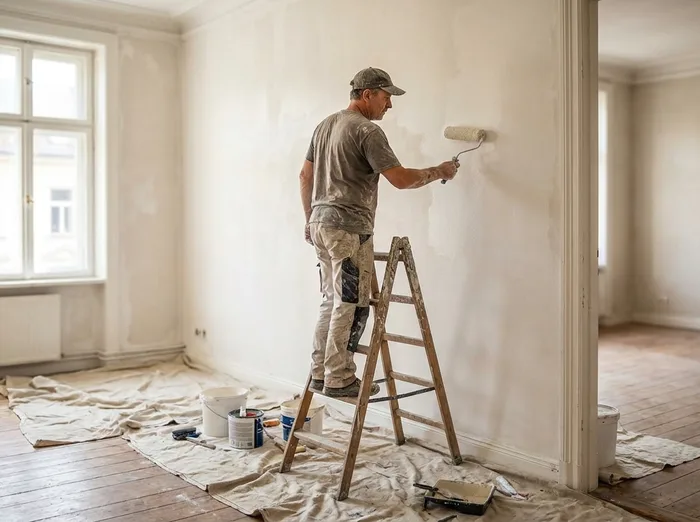
If you are a painter and decorator from outside the European Union, Croatia is one of the most active hiring markets in Southern Europe right now. The country relies heavily on international craftspeople to maintain its massive tourism infrastructure and support a fast-growing domestic building sector. From residential apartment developments in Zagreb to seaside hotel renewals along the Adriatic coast, skilled painters are needed across the country.
This guide explains how the Croatian market works for foreign workers in 2026. You will learn where the work is concentrated, what you can expect to earn, how the visa process functions, and how to position yourself so Croatian construction companies find you.
Demand for Painters in Croatia in 2026
The demand for skilled painters and decorators in Croatia is high and steady. The trade is officially categorized as a shortage occupation across almost all Croatian counties. This shortage is caused by two main factors: young Croatian tradespeople moving to higher-wage countries like Germany or Austria, and a booming local economy that requires constant renovation work.
Construction in Croatia is driven by major urban rebuilding projects following past earthquakes in the Zagreb and Sisak-Moslavina areas, as well as endless cycles of coastal property updates. Hotels, rental villas, and private holiday homes must be repainted regularly to stay competitive for the tourist season. Because local sub-contractors cannot find enough Croatian workers to meet deadlines, companies look directly to foreign tradespeople from South Asia, Central Asia, Africa, Latin America, and non-EU Balkan states.
You do not need an advanced engineering degree to land a job, but you do need proven practical experience. Croatian employers want painters who can walk onto a job site, handle surface preparation quickly, use modern equipment, and work cleanly without constant supervision.
Where the Work Is: Regions and Hiring Seasons
Where you work in Croatia depends heavily on the time of year and the type of project. The country has distinct economic zones with different hiring patterns for painters.
- Zagreb and Central Croatia: The capital city offers year-round employment. Work here involves interior apartment fit-outs, commercial renovations, high-rise residential construction, and historical building restorations. Weather rarely stops interior work in Zagreb, making it the most stable region for consistent annual hours.
- Istria (Pula, Poreč, Rovinj, Umag): Istria has a dense concentration of resort properties and luxury hotels. Hiring here peaks sharply in the early months of the year as hotel groups scramble to refresh rooms, corridors, and exterior facades before guests arrive.
- Dalmatia (Split, Zadar, Dubrovnik, Šibenik): The southern coastal strip experiences high seasonal demand. Jobs range from commercial hotel touch-ups to painting private stone villas and working in coastal boatyards on boat and yacht interiors.
- Slavonia (Osijek, Slavonski Brod): Located in the northeast, this region has lower overall volume than the coast or capital, but industrial painting contracts for warehouses and factory facilities happen here throughout the year.
The hiring cycle follows a predictable seasonal rhythm:
- Spring rush (February to May): Coastal employers hire heavily during these months. Work is fast-paced because hotels and rental properties have strict opening deadlines in May and June.
- Autumn wave (September to November): After the summer tourist crowd leaves, property owners start large-scale exterior and interior overhauls that could not be done while guests were present.
- Winter period (December to January): Exterior work along the coast slows down due to rain and strong winds like the coastal bura. Work shifts almost entirely indoors or moves toward year-round urban sites in Zagreb.
Pay Ranges, Housing, and Working Hours
Croatia uses the Euro (EUR). Pay for foreign painters is calculated as a monthly net wage, which is the exact amount landed in your bank account after income taxes and national social security contributions are deducted.
- Basic painter pay: Standard site painters with basic experience earn between 850 EUR and 1,100 EUR net per month.
- Skilled painter pay: Experienced craftspeople who can handle plaster skimming, airless spray systems, and decorative finishes earn between 1,100 EUR and 1,400 EUR net per month.
- Overtime rates: Under Croatian labor law (Zakon o radu), overtime, weekend work, and night shifts carry a mandatory pay increase, usually 30 percent to 50 percent above your base hourly rate.
- Free accommodation: Most Croatian employers hiring foreign workers under official permits provide free shared accommodation (smještaj osiguran). This is usually a shared apartment or worker lodge near the job site. Free housing saves you 200 EUR to 400 EUR per month in living costs.
- Meals and transport: Employers typically provide one warm meal per working day or give a monthly meal allowance (topli obrok), along with organized transport from worker accommodation to the job site.
Permits, Shortage Lists, and Trade Qualifications
To work legally in Croatia as a non-EU citizen, you must secure a work and residence permit (dozvola za boravak i rad). You cannot work on a tourist visa or enter the country before your permit is issued.
- The permit process: Your Croatian employer starts the permit application on your behalf inside Croatia. They apply through the Croatian Employment Service (Hrvatski zavod za zapošljavanje - HZZ) and the Ministry of Interior (Ministarstvo unutarnjih poslova - MUP).
- Labor market test exemption: Because painter and decorator (soboslikar-ličilac) is listed on the national shortage list in most counties, HZZ skips the requirement to look for local Croatian candidates first. This shortens the approval process significantly.
- Processing timeline: It generally takes between two and four months for MUP to approve the permit. Once approved, you visit the Croatian embassy or visa application center in your home region to collect your entry visa (Type D visa) to travel to Croatia.
- Trade qualifications: Formal recognition of trade diplomas through the Croatian Chamber of Trades and Crafts (Hrvatska obrtnička komora - HOK) or the Agency for Vocational Education (ASOO) is generally not required for basic painting roles. However, holding an official trade certificate or diploma from your home country speeds up permit processing and helps your employer place you in a higher pay bracket.
Language Requirements and Practical On-Site Skills
Language requirements on Croatian jobsites depend on the scale of the company and the site leadership.
- English on site: On large commercial sites run by main contractors, site supervisors usually speak functional English. Instructions, safety briefings, and blueprints are often communicated in basic English.
- Croatian language: On smaller renovation sites and residential projects, site managers speak Croatian. You do not need to be fluent before arriving, but learning trade terms in Croatian (osnovni hrvatski) quickly makes you valuable. Key terms include gletanje (skim coating), boja (paint), kist (brush), valjak (roller), skela (scaffolding), and brusni papir (sandpaper).
- Core technical skills: Croatian employers value preparation over speed. The most essential technical skill expected on Croatian sites is smooth surface prep, specifically gletanje (applying skim coat plaster over drywall or rough walls to create a perfectly flat finish before painting). Employers also look for experience with airless sprayers, exterior thermal facade systems (stiropor fasade), and neat caulking around door frames and baseboards.
Reality Check: What Foreign Painters Get Wrong
To ensure a smooth transition to working in Croatia, keep these realities in mind:
- Coastal work is not a beach holiday: Painting hotel complexes in Istria or Dalmatia during February and March means working outdoors in rainy weather and cold winds. Deadlines are tight before season opening dates.
- Painting involves heavy prep work: You will spend more than half your work week scraping old plaster, sanding walls, filling cracks, masking windows, and setting up scaffolding. Painting with a roller is only the final step.
- You cannot switch employers instantly: Your work permit is bound directly to the specific Croatian company that sponsored you. If you leave that employer, your permit becomes invalid, and your new employer must apply for a brand-new permit through MUP before you can work again.
- Pay attention to contract details: Always confirm in writing whether your offered salary figure is gross (bruto) or net (neto), and confirm that housing and site transport are guaranteed in your written agreement.
How to Build Your Workuro Profile for Croatian Employers
Croatian construction companies search the Workuro registry directly to find foreign painters when they have new project contracts. To make sure your profile appears in employer searches for Croatian jobs, fill out your profile with specific details.
Include specific technical skill terms in your profile description. Mention if you have experience with gletanje (skim coating), drywall taping, exterior facade painting, or airless spray machines. List the practical tools and equipment you know how to operate.
Under trade qualifications, upload photos of any vocational certificates, apprenticeships, or licenses issued by your national training boards. If you have worked abroad previously, list the countries and project types clearly.
Select Croatia as your target destination, and state clearly whether you are available for immediate seasonal start dates along the coast or prefer year-round work in Zagreb. Keep your profile updated so Croatian companies searching for painters can contact you directly.
Ești gata să fii găsit?
Creează-ți profilul în 2 minute. Gratuit, fără card bancar.
Continuă lectura