Caregiver and Elderly Care Worker Jobs in Lithuania (2026 Guide)
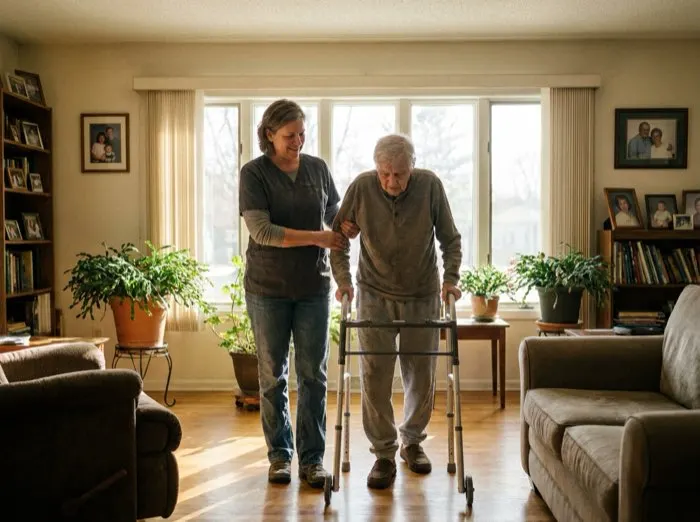
If you want to work as an elderly care worker or caregiver in Lithuania, you need a realistic view of the market in 2026. Lithuania faces an aging population and a growing need for long-term care staff. However, direct hiring from outside the European Union for care roles comes with strict language rules and specific certification checks. If you speak only English and have no background in care, finding a job here can be challenging compared to other European destinations like Germany or Poland, where large-scale care recruitment corridors operate with broader language support.
That said, Lithuania is an excellent choice if you are willing to learn basic Lithuanian, hold a nursing or care qualification from your home country, or want to work in private residential care homes. The country offers a clean, peaceful environment, affordable living outside the capital, and a clear legal path to a European residence permit. This guide breaks down exactly how the Lithuanian system works for workers coming from Central Asia, South Asia, Africa, Latin America, and the Balkans.
Where the Caregiver Jobs Are in Lithuania
Care worker vacancies in Lithuania are concentrated in major urban areas and regional healthcare hubs. While rural areas also need staff, urban centers have the infrastructure and budget to process work permits for foreign workers.
- Vilnius and surrounding districts: The capital city has the largest concentration of private care facilities, specialized nursing institutions, and home care agencies. Locations like Antaviliai, Naujininkai, and Santariškės host private senior care homes that frequently recruit extra support staff.
- Kaunas: As the second largest city and a major medical education hub, Kaunas offers numerous municipal and private elder care centers in areas like Panemunė and Petrašiūnai. Facilities here often look for dedicated assistants to manage daily resident routines.
- Klaipėda: The coastal port region has a higher proportion of elderly residents and several specialized long-term care facilities. Language barriers can sometimes be slightly lower here in private care homes that cater to Russian-speaking or international residents.
- Regional centers (Panevėžys, Šiauliai, Utena): Many young Lithuanians move from smaller cities to Western Europe. As a result, municipal social care centers (*socialinės globos namai*) in regional hubs face staffing shortages and increasingly accept international applicants who hold basic local language skills.
Certificates, Licences, and Skill Classifications
Lithuania makes a clear legal distinction between medical care staff and general social care support workers. Your job title determines which certificate you need and who issues it.
- Individual Care Worker (Individualios priežiūros darbuotojas): This role focuses on daily living assistance, personal hygiene, feeding, and companionship. To work in this role, you must complete an introductory course (typically 40 to 160 hours) approved by the Ministry of Social Security and Labour (*Socialinės apsaugos ir darbo ministerija*) or show equivalent vocational training from home.
- Healthcare Assistant (Slaugytojo padėjėjas): This is a formal medical support position working directly under licensed nurses. It requires a formal state-recognized vocational diploma. If you completed nursing or healthcare assistant training outside the EU, your credentials must be recognized by the Centre for Quality Assessment in Higher Education (*Studijų kokybės vertinimo centras* or SKVC).
- First Aid and Hygiene Certificates: All care staff must pass basic mandatory health checks, a chest X-ray for tuberculosis, and hold valid certificates in first aid (*pirmosios pagalbos pažymėjimas*) and hygiene skills, which employers usually arrange upon your arrival.
Language Requirements: What Employers Really Look For
Language rules in Lithuania depend heavily on whether you work in state-funded healthcare or private home care.
- State facilities and public nursing homes: State law requires healthcare workers who deal directly with patients to hold official Lithuanian language certification at the Category I or Category II level. State facilities rarely hire non-EU workers who speak no Lithuanian.
- Private residential homes and agencies: Private employers are more flexible. They often hire non-EU workers who commit to studying basic Lithuanian during their probationary period. Having basic Russian language skills is also useful, as many elderly Lithuanians born before 1990 speak Russian fluently.
- English language usage: English is common among younger administrators and management, but very few elderly residents in public care speak English. Relying solely on English will limit your job choices to a small handful of private international agencies in Vilnius.
Work Permits and Visa Routes for Non-EU Workers
To work legally in Lithuania, foreign workers from outside the EU must secure a formal job offer before arriving. The entire immigration workflow goes through the digital portal run by the Migration Department (*Migracijos departamentas*), known as MIGRIS.
- Shortage Occupation List: The Employment Services (*Užimtumo tarnyba*) maintains a list of shortage occupations (*Trūkstamų profesijų sąrašas*). Nursing assistants and specialized care staff are frequently listed, which shortens the labor market test requirement for your prospective employer.
- Employer sponsorship: Your Lithuanian employer must register the vacancy with Užimtumo tarnyba. Once approved, the employer submits an application on MIGRIS to issue an official decision allowing your employment.
- National Visa D and Temporary Residence Permit (TRP): Most care workers apply for a Temporary Residence Permit (TRP) based on employment. This permit is usually granted for one to two years and can be renewed. Processing times generally range between 2 and 4 months.
- Document legalization: Your police clearance certificate, birth certificate, and educational diplomas must be legalised or apostilled in your home country and translated into Lithuanian by an official sworn translator.
Pay Ranges, Work Hours, and Living Costs
Salaries in Lithuania are paid in Euros (€). Care work pay levels are regulated by national minimum wage standards and official collective agreements for public sector social workers.
- Typical net monthly salary: Caregivers and individual care workers generally earn between €750 and €1,150 net (after tax) per month. Specialized healthcare assistants working night shifts or overtime in major cities can earn between €1,000 and €1,300 net.
- Working hours and shifts: Standard full-time work is 40 hours per week. Shift work is very common in residential care homes, often structured as 12-hour day shifts, 12-hour night shifts, or 24-hour rotations followed by rest days.
- Living costs: Outside Vilnius, renting a room or a modest apartment costs between €200 and €400 per month. Some private care employers provide subsidized staff housing or shared accommodation near the facility, which significantly lowers your monthly expenses.
Reality Check: Common Misconceptions About Care Work in Lithuania
- Misconception: You can work legally on a tourist visa. Fact: Working on a Schengen tourist visa is strictly illegal in Lithuania. You must hold a valid National Visa D or TRP linked to your specific employer.
- Misconception: You can freely switch employers as soon as you arrive. Fact: Your residence permit is tied to the employer who sponsored you. Changing jobs requires applying for a permit modification through MIGRIS before starting new employment.
- Misconception: Lithuanian care homes accept English-only resumes without training certificates. Fact: Every care worker must have verified training or formal nursing experience. Employers cannot register your contract without basic proof of your qualifications.
- Misconception: Caregiver salaries in Lithuania are the same as in Western Europe. Fact: Lithuania offers lower monthly net salaries than Germany, Norway, or the UK, but local living costs, rent, and basic expenses are also lower.
Build Your Workuro Profile to Get Found by Employers
Lithuanian care agencies and private care facility managers search candidate registries to fill vacancies before opening expensive public recruitment campaigns. Creating a thorough, accurate profile on Workuro gives employers the exact information they need to evaluate your candidacy quickly.
Make sure your Workuro profile highlights the specific details mentioned in this guide:
- Upload your qualifications: Clearly list any nursing degrees, caregiver certificates, or medical assistant diplomas you hold from your home country. State clearly if you have started credentials evaluation with SKVC.
- Detail your language levels: Specify your exact proficiency in English, Russian, or Lithuanian. Even basic A1 or A2 skills in Lithuanian or Russian make your profile stand out to recruiters in Vilnius and Kaunas.
- Select target locations: Indicate your willingness to work in specific regions like Vilnius, Kaunas, Klaipėda, or smaller municipalities where demand for care staff is urgent.
- List practical care skills: Highlight hands-on experience in patient mobility support, dementia care, hygiene assistance, or post-surgery recovery.
By keeping your profile accurate and complete, you make it easy for verified European employers to match your skills with open care roles and guide you through the official hiring process.
Handa ka na bang mahanap?
Gawin ang profile mo sa loob ng 2 minuto. Libre, walang credit card.
Magbasa pa