Farm and Agricultural Worker Jobs in Lithuania for Foreign Workers (2026)
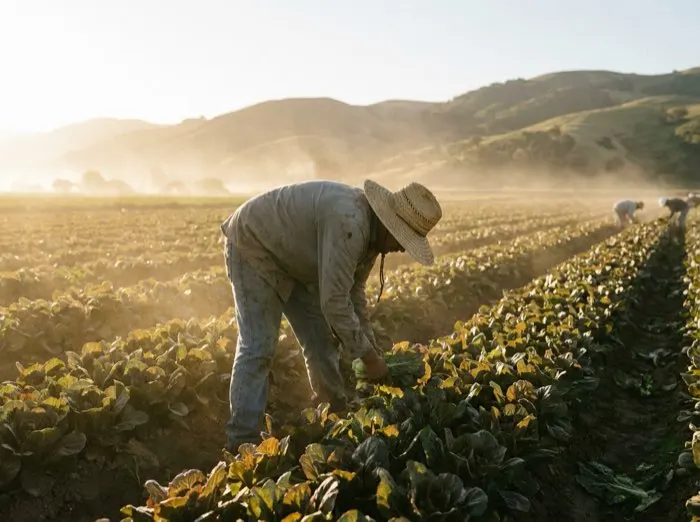
Agricultural Work in Lithuania: What Non-EU Workers Should Expect
If you are looking for agricultural work in Europe, Lithuania is a steady destination with a growing demand for foreign labor. The country relies heavily on modern farming, particularly grain production, dairy, and greenhouse crops. However, it is important to understand the size of the market before you start your search.
Lithuania is not a massive agricultural employer on the scale of neighboring Poland or Western European countries like Germany. If your main goal is quick field-picking work in massive numbers, Poland is often an easier target with higher visa quotas. But if you have practical skills, such as driving tractors, managing farm machinery, or working on automated dairy farms, Lithuania offers reliable, legal routes for non-EU workers. Employers across the country actively recruit workers from Central Asia, South Asia, Africa, and the Balkans to fill labor gaps.
Where the Farm Jobs Are: Key Agricultural Regions in Lithuania
Farming in Lithuania is concentrated in specific districts where soil quality and agricultural infrastructure are strongest. When looking for employers, keep an eye out for job postings based in these areas:
- Kėdainiai and Radviliškis: Located in central Lithuania, this is the country's vegetable and greenhouse center. Kėdainiai is famous for cucumber and tomato cultivation, while Radviliškis has large grain storage facilities and commercial farms.
- Pasvalys, Biržai, and Panevėžys: The northern grain belt. These regions feature vast fields of wheat, barley, and rapeseed. Employers here hire heavily for combined harvester operators, tractor drivers, and grain silo technicians.
- Marijampolė and Vilkaviškis: Located in the southwest, this area is known for sugar beet cultivation, crop farming, and livestock operations.
- Šiauliai District: Home to several of Lithuania's largest industrial dairy complexes, requiring year-round barn workers and automated milking system operators.
Work Permits, Shortage Lists, and Legal Requirements
To work legally on a Lithuanian farm, non-EU citizens need a work permit or an official approval letter, followed by a visa or temporary residence permit. You cannot work legally on a tourist visa or standard short-stay Schengen visa.
Here is how the official process works in Lithuania:
- The Labor Market Test: Before hiring a non-EU worker, a Lithuanian employer must register the vacancy with the Employment Service (Užimtumo tarnyba). If no local or EU candidate applies within a set timeframe, the employer receives permission to hire from abroad.
- Shortage Occupation List: Lithuania maintains a national list of short-supply professions (Trūkstamų profesijų sąrašas). Tractor drivers, agricultural machinery operators, and specialized livestock technicians frequently appear on regional shortage lists. When a job is on this list, the work permit process moves faster because the labor market test is simplified or waived.
- Permit Processing Time: Work permit applications submitted to Užimtumo tarnyba generally take between 3 and 6 weeks to process. After that, you must apply for your visa or Temporary Residence Permit (TRP) through the official MIGRIS system and present your documents at an accredited VFS Global center in your region.
- Machinery Licenses: If you plan to drive farm machinery, standard car licences are not enough. Lithuania categorizes tractor driver licences into specific codes (such as TR1, TR2, or SZ). These are regulated under rules aligned with the Ministry of Agriculture. You will usually need to prove your foreign driving experience and show certified translations of your heavy equipment certificates.
- Language Expectations: Lithuanian language skills are rarely required for practical field or tractor work. Most supervisors on larger farms communicate using basic English or Russian. However, understanding basic English workplace terms is a huge advantage for safety training.
Pay, Working Hours, and Accommodation Realities
Wages in Lithuanian agriculture are paid in Euros (€). Your actual take-home pay depends heavily on your skill level and whether you work regular hours or long seasonal shifts.
- General Farm Laborers and Pickers: Unskilled jobs in crop harvesting or basic greenhouse maintenance typically offer a net monthly pay range of €800 to €1,000 after taxes.
- Tractor Drivers and Machinery Operators: Skilled drivers operating modern equipment (like Claas, John Deere, or New Holland harvesters) earn significantly higher wages. Net monthly pay generally ranges from €1,100 to €1,600, with higher earnings during peak harvest due to overtime.
- Dairy Farm Assistants: Livestock and milking positions are year-round and usually pay between €900 and €1,200 net per month, depending on shift structures and responsibilities.
- Working Hours: Agriculture is seasonal. From late autumn to early spring, work is often standard (40 hours per week). During the harvest season, work days can stretch to 10 or 12 hours per day, 6 days a week, with overtime pay included in your final earnings.
- Accommodation: Because many Lithuanian farms are located in rural villages away from major towns, employers usually arrange housing. This is typically a shared farmhouse, worker hostel, or renovated facility on farm grounds. Employers either provide housing for free or charge a minimal monthly deduction (usually €50 to €150) from your salary to cover basic utilities.
The Agricultural Hiring Cycle: When to Apply
Understanding the Lithuanian climate helps you time your job search correctly:
- January to March (Preparation Phase): Employers calculate their seasonal needs and submit work permit requests to Užimtumo tarnyba. This is the ideal time to apply and update your online profile, giving employers time to process your visa paperwork.
- April to May (Spring Seeding): Field preparation, planting, and early crop maintenance begin. Machinery operators are brought in during this window.
- July to October (Peak Harvest): The busiest period of the year. Grain, rapeseed, sugar beets, and autumn crops are harvested. Farms run at full capacity, and demand for all labor types reaches its highest point.
- November to December (Winter Wind-down): Fieldwork closes down as winter freezing sets in. Employment drops back to maintenance staff, greenhouse workers, and indoor livestock farming.
Reality Check: Common Misconceptions About Farm Work in Lithuania
- Misconception: You can arrive first and find a farm job later. Reality: You must have a confirmed job offer and formal permit documentation before arriving. Working on a tourist visa is illegal and leads to deportation.
- Misconception: A standard car driving licence lets you drive a harvester. Reality: Lithuanian law strictly regulates heavy farm machinery. You must hold valid heavy equipment driving credentials that can be officially verified.
- Misconception: Outdoor field work runs continuously all year. Reality: Winters in Lithuania bring freezing temperatures and snow. Field crop work stops completely in winter, leaving year-round opportunities mostly in dairy and specialized greenhouses.
- Misconception: Lithuanian farm wages equal Western European rates. Reality: Salaries match the local cost of living in rural Lithuania. While lower than rates in Scandinavia or Germany, living expenses in rural Lithuania are also significantly lower.
Build Your Workuro Profile to Target Lithuanian Employers
Lithuanian farm owners and HR teams search foreign databases to find workers who meet their exact operational needs. To make sure your profile gets noticed, include specific, practical details in your Workuro registration.
Make sure you list:
- Exact machinery categories: Mention specific tractor brands, harvester models, or heavy equipment types you know how to operate.
- Driving licenses: Specify the exact classes of driving licenses you hold from your home country.
- Specific farming experience: Clear distinctions matter. State whether your experience is in crop harvesting, greenhouse cultivation, dairy management, or machinery repair.
- Language capabilities: Mention your actual working level in English, Russian, or any other languages.
- Preferred regions: If you are open to living in rural agricultural zones like Kėdainiai, Pasvalys, or Radviliškis, state that directly on your profile.
When an employer in Lithuania searches for qualified candidates, a complete, factual profile helps them select you quickly and begin the work permit process.
Handa ka na bang mahanap?
Gawin ang profile mo sa loob ng 2 minuto. Libre, walang credit card.
Magbasa pa