Farm and Agricultural Worker Jobs in Croatia for Foreign Workers (2026)
 Croatia
The Agricultural Job Market in Croatia for 2026
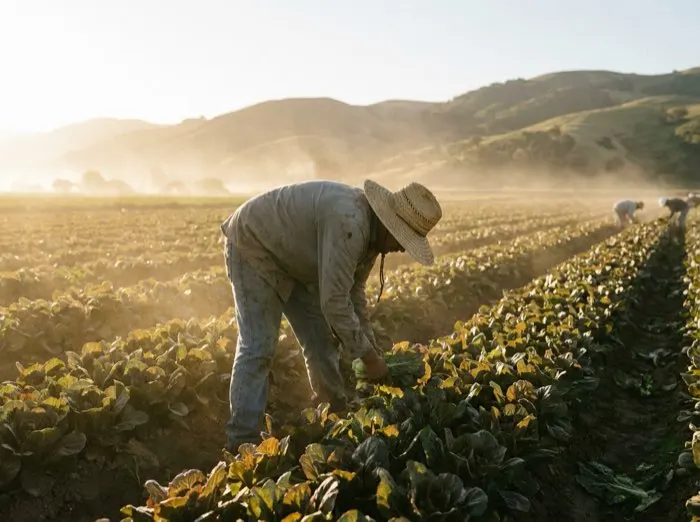
Croatia has a growing need for farm and agricultural labor. Many local workers have moved to urban centers or other European nations, creating clear hiring needs across eastern, central, and coastal agricultural regions. In 2026, Croatian farm owners depend on foreign workers from outside the European Union to plant, tend, harvest, and process crops.
The agricultural cycle in Croatia runs strongly from early spring through late autumn. However, year-round positions also exist in greenhouse farming, livestock facilities, and food processing operations. If you want a job where accommodation is often provided along with your net monthly salary, Croatia is a direct and stable entry point into European farm work.
Key Regions and What Crops You Will Work With
Agricultural work in Croatia changes depending on geography. Each region specializes in different crops, machinery, and seasonal cycles. Knowing where the work happens helps you choose the right place to apply.
- Slavonia (Osijek, Vukovar, Virovitica): The flat eastern plains form the agricultural heartland of Croatia. Major crops include wheat, corn, sunflowers, sugar beets, and large fruit orchards (apples, plums, and cherries). Farms in Slavonia regularly hire field hands and heavy tractor operators from April to October.
- Neretva Valley (Opuzen, Metković, Ploče): Located along the southern coast, this area is famous for citrus fruit. Hiring peaks sharply from September through December for the mandarin and orange harvest. Workers pick, sort, and box fresh fruit along the river delta.
- Istria and Dalmatia (Poreč, Umag, Zadar, Imotski): Coastal and peninsula regions specialize in olive groves and vineyards. Grape harvesting takes place from late August through September. The olive harvest follows from October through December. Wineries and olive oil estates rely heavily on manual harvesting teams.
- Central Croatia (Zagreb County, Bjelovar, Varaždin): Central regions feature large greenhouse complexes growing tomatoes, cucumbers, and peppers year-round. Cabbage harvesting in Varaždin and dairy or poultry farming across Central Croatia offer consistent, non-seasonal work.
Work Permits, Rules, and Required Documentation
To work legally on a Croatian farm as a non-EU worker, your employer must apply for a Residence and Work Permit, known locally as a Dozvola za boravak i rad. You cannot work legally on a tourist status or an informal agreement. The application process passes through two key state organizations.
- Hrvatski zavod za zapošljavanje (HZZ): The Croatian Employment Service carries out a labor market test to confirm that no qualified local or EU candidate is available for the role. For many field hand and harvester positions on official shortage lists, this test is simplified or expedited.
- Ministarstvo unutarnjih poslova (MUP): The Ministry of the Interior conducts background checks and issues the final work and residence card once HZZ approves the request.
- OIB (Tax Identification Number): Once you arrive, your employer registers you with the tax administration (Porezna uprava) to issue your OIB. This number is required to sign your formal work contract and open a local bank account.
- Licenses and Certificates: General picking roles do not require formal diplomas. However, operating agricultural machinery requires a valid Category F driving license for tractors. Employers also look for pesticide handling certificates or health clearances (liječnički pregled) issued by an authorized occupational medicine doctor in Croatia.
Pay, Working Hours, and Accommodation
Agricultural compensation in Croatia is typically calculated as a net monthly wage, paid directly into your Croatian bank account. Here is what you can expect regarding income and working conditions in 2026.
- Monthly Net Pay: General seasonal farm workers and harvesters earn between 700 EUR and 900 EUR net per month for standard hours. Experienced tractor operators, greenhouse technicians, and team leaders can earn between 900 EUR and 1,200 EUR net per month.
- Free or Subsidized Housing: Unlike urban jobs where workers pay high city rent, most Croatian agricultural employers provide free or low-cost shared housing on or near the farm. Housing typically includes basic kitchen facilities, shared bathrooms, and utilities.
- Meals and Food Allowances: During heavy harvest periods, farm owners frequently provide one warm daily meal (topli obrok) or a small daily food allowance on top of your wage.
- Working Hours and Overtime: Standard contracts cover 40 hours per week. During peak harvest months, hours can increase to 50 or 60 hours per week. Croatian labor law requires employers to pay extra for overtime or balance those hours with additional rest days.
Language and Everyday Farm Requirements
You do not need to speak fluent Croatian to start working on a farm. However, basic communication skills will help you work safely and adjust quickly to your surroundings.
- English and Croatian Language Use: Farm managers and supervisors often speak basic English, German, or Italian. Learning basic Croatian words for tools, safety instructions, numbers, and directions makes daily tasks easier and earns respect from your team.
- Physical Demands: Harvesting, pruning, and sorting require physical stamina. You should be prepared to work outdoors in summer heat or cool autumn weather, stand for long hours, and lift crop crates up to 15 or 20 kilograms.
- Safety Practices: Employers are legally required to provide protective gear, such as gloves, high-visibility vests, and sun protection when necessary. Always insist on proper equipment safety training before operating motorized harvesters or heavy farm tools.
Reality Check: What Workers Get Wrong About Farm Work in Croatia
Avoid common misunderstandings before you plan your move to Croatia for agricultural work.
- A Croatian work permit lets you work anywhere in Europe: False. Your permit is tied directly to your specific Croatian employer and national territory. Working in another EU country like Germany or Austria on a Croatian permit is illegal.
- Field harvest jobs run all year round: False. Open-field harvesting ends around November. Unless you are hired for a year-round greenhouse, dairy farm, or processing facility, seasonal contracts finish in late autumn.
- You can enter Croatia first and then look for farm work: False. Your employer must complete the permit paperwork through HZZ and MUP before you start working. Entering on a tourist visa to work illegally risks fines and deportation.
- Pay rates match Western European salaries: False. Wages reflect local Croatian economic standards. However, because accommodation is usually provided by farm owners, your monthly living expenses remain very low.
Build Your Workuro Profile to Get Found by Croatian Employers
Croatian farm owners and recruitment representatives search Workuro to find reliable non-EU workers for upcoming harvest seasons and full-year agricultural roles. You do not pay anything to create your profile.
To make your profile stand out in employer searches, include the specific details mentioned in this article:
- Specify Preferred Regions: List regions like Slavonia, the Neretva Valley, Istria, or Central Croatia where you want to work.
- Detail Your Crop Experience: Mention if you have worked with fruit orchards, vineyards, open-field vegetables, grain crops, or greenhouse systems.
- List Licenses and Qualifications: Include driving licenses (especially Category F for tractors), machinery safety credentials, or pesticide handling cards.
- State Your Exact Availability: Note the exact month you are ready to begin, and specify whether you are seeking a seasonal harvest contract or a year-round role.
- Add Spoken Languages: Note your proficiency in English, basic Croatian, or any other languages that help in workplace communication.
Handa ka na bang mahanap?
Gawin ang profile mo sa loob ng 2 minuto. Libre, walang credit card.
Magbasa pa