Farm and Agricultural Worker Jobs in Bulgaria for Foreign Workers (2026)
 Bulgaria
The reality of farm work in Bulgaria for foreign workers
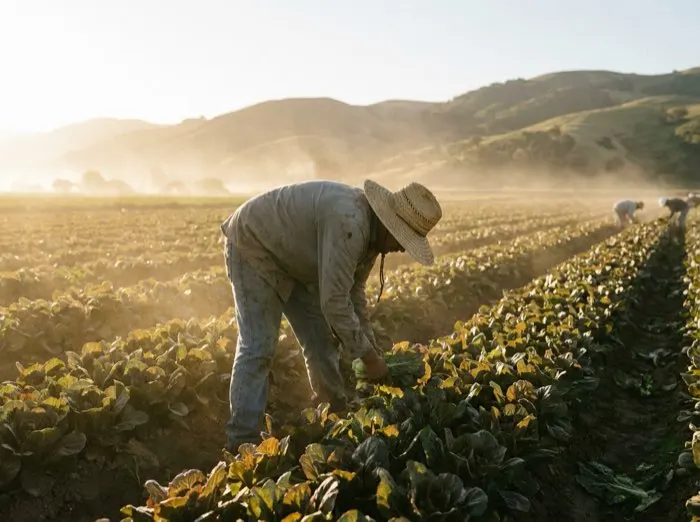
Bulgaria is one of Europe's major agricultural producers, especially for grain, oilseeds, fruits, and vegetables. However, thousands of Bulgarian farm hands leave every year to work in Western Europe. This creates a large shortage of agricultural labor inside Bulgaria every spring, summer, and autumn.
If you are from a non-EU country in South Asia, Africa, Central Asia, or the Western Balkans, Bulgaria offers direct opportunities to work legally on farms. Farm owners actively recruit workers from outside the European Union to plant crops, harvest fruits, maintain greenhouses, and drive machinery.
Demand for foreign agricultural labor in Bulgaria is strong and growing each year. However, you must understand the financial reality before you apply. Net pay in Bulgaria is lower than in Western European countries like Germany or the Netherlands. If your main goal is earning the absolute highest hourly wage in Europe, places like Italy or Spain might offer higher numbers, though living costs there are also higher. Bulgaria works best for workers who want a simple legal entry point into the European Union, lower stress, provided accommodation, and steady seasonal work.
Key agricultural regions and seasonal hiring cycles
Farm work in Bulgaria is spread across specific agricultural regions, each specializing in different crops. Knowing where the work happens helps you pick the right employers.
- The Upper Thracian Plain (Plovdiv, Stara Zagora, and Pazardzhik): This is the heart of Bulgaria's fruit and vegetable production. Plovdiv is the primary hub. You will find large orchards growing cherries, peaches, apples, and plums, along with fields of tomatoes, peppers, and grapes.
- Dobrudzha Region (Dobrich and Silistra): Located in the northeast, Dobrudzha is known as the granary of Bulgaria. The focus here is vast arable land dedicated to wheat, sunflower, corn, and rapeseed. Hiring here targets experienced tractor drivers, combine operators, and machinery mechanics rather than manual fruit pickers.
- The Rose Valley (Kazanlak and Karlovo): Famous for essential oils. The oil-rose harvest is brief, intensive, and requires a large workforce for manual picking every year.
- Blagoevgrad and Petrich (Southwest): Known for milder weather, extensive greenhouse networks, and tobacco production. Greenhouses here operate for extended periods outside the main summer season.
The Bulgarian agricultural season follows a clear calendar:
- March to April: Pruning trees, field preparation, and planting early greenhouse crops.
- May to June: Harvesting strawberries, cherries, and oil-bearing roses.
- June to July: Main grain harvest (wheat and barley) in Dobrich and the north, alongside summer vegetable picking in Plovdiv.
- August to October: Peak harvest for apples, peaches, grapes (for wine and table use), sunflowers, corn, and late vegetables.
- November to February: Off-peak season. Work is mostly limited to maintenance, livestock care, and indoor greenhouse management.
Work permits and legal requirements for non-EU workers
To work legally on a Bulgarian farm, you cannot travel on a tourist visa. Your employer in Bulgaria must submit an application on your behalf to the Bulgarian Employment Agency (Azatnostta Agency) before you arrive in the country.
There are two primary legal pathways for non-EU farm workers:
- Seasonal Work Permit (up to 90 days): This is a short-term registration process. The employer registers you directly with the Employment Agency. It requires less paperwork and is processed quickly, making it popular for short summer harvest contracts.
- Seasonal Work Permit (90 days up to 9 months): For longer contracts, the employer applies for a permit approved by the Employment Agency and issued by the Migration Directorate. Once approved, you apply for a Type D Long-Stay Visa at the Bulgarian embassy in your home country. This permit allows you to work for up to nine months in a 12-month period.
- Single Permit for Residence and Work: Used primarily for year-round agricultural jobs, such as permanent livestock handling, greenhouse management, or senior machinery maintenance. This permit is renewable annually.
Bulgaria does not require general manual farm pickers to undergo complex formal qualification recognition. However, your employer must prove to the labor office that they attempted to hire a local worker before bringing in an overseas candidate.
Certificates, language, and skill requirements
Requirements vary depending on whether you apply for general manual work or technical farm roles.
- General Pickers and Field Handlers: No formal degrees or certificates are needed. Physical stamina, good health, and the ability to work long hours outdoors in heat are the main requirements. Bulgarian employers rarely require English or Bulgarian fluency for basic field work, though knowing basic Bulgarian farm vocabulary helps you follow safety instructions.
- Tractor Drivers and Machinery Operators: Employers require a valid driving license equivalent to Bulgarian Category Tkt (Ткт), which covers agricultural and forestry tractors. If you hold a heavy vehicle license from outside the EU, your employer may need to assist you in getting your qualification validated locally or converting it through the Ministry of Transport.
- Pesticide and Plant Protection Handlers: Workers who apply chemical sprays or handle hazardous fertilizers need a specialized certificate for plant protection products, overseen by the Bulgarian Food Safety Agency (BFSA). If you hold equivalent certified training in your home country, highlight it to employers.
Wages, working conditions, and daily life
Wages in Bulgaria are paid in Bulgarian Lev (BGN). The official currency is BGN, which is pegged to the Euro (1 EUR is approximately 1.95 BGN).
Here is what you can expect regarding pay and conditions:
- Net Monthly Pay for General Field Workers: Typical take-home pay ranges between 1,000 BGN and 1,400 BGN net per month for standard hours. During peak harvest months, overtime or piece-rate pay (where you are paid per kilogram of fruit picked) can raise earnings to 1,600 BGN net or higher.
- Net Monthly Pay for Machine Operators: Skilled tractor drivers and equipment operators usually earn between 1,500 BGN and 2,200 BGN net per month, depending on experience and working hours during the heavy grain season.
- Accommodation: Under Bulgarian seasonal labor regulations, employers who bring in foreign seasonal workers are legally required to provide suitable housing or ensure adequate accommodation is arranged. Many farm owners provide shared housing on or near the farm at no cost to the worker, or deduct a small, fixed amount from monthly pay. Always confirm accommodation details in your contract before signing.
- Working Hours: Summer days in Bulgaria can be hot, especially in the Upper Thracian Plain where temperatures exceed 35 degrees Celsius in July and August. Shifts often start early in the morning (around 6:00 AM) to complete field work before the midday heat.
Reality check: Common misconceptions about farm jobs in Bulgaria
Before moving forward, make sure your expectations align with reality. Here are the facts behind common misunderstandings:
- Misconception: You can come to Bulgaria on a tourist visa and start working.
Fact: Working without a formal seasonal work permit and a Type D visa is illegal. You risk deportation, fines, and a entry ban covering the entire Schengen area. - Misconception: Seasonal farm permits allow you to work anywhere in Europe.
Fact: A Bulgarian seasonal work permit ties you directly to the specific employer who sponsored you in Bulgaria. It does not give you the right to move to Germany, France, or Sweden to work. - Misconception: Piece-rate picking guarantees high earnings every day.
Fact: Piece-rate pay depends entirely on crop yield, weather, and your personal speed. Rain or hail can halt field operations, reducing working hours for that week. - Misconception: Farm employers expect you to speak fluent Bulgarian.
Fact: Most employers hire supervisors or team leaders who speak basic English or Russian to direct foreign crews. However, learning basic Bulgarian commands makes your day-to-day life much easier.
Build your Workuro profile to connect with Bulgarian employers
Bulgarian farm owners and recruitment agencies use Workuro to search for reliable candidates from outside the EU. To make your profile stand out to agricultural employers in regions like Plovdiv, Dobrich, or Stara Zagora, keep your details specific and accurate.
When updating your Workuro profile, make sure to include:
- Your exact licenses: State if you hold a Category Tkt license, heavy machinery permit, or standard driver's license.
- Specific farm skills: Mention exact experience, such as cherry picking, vineyard pruning, greenhouse drip irrigation, or tractor maintenance.
- Target regions: List key agricultural hubs in Bulgaria like Plovdiv, Dobrich, or Blagoevgrad if you have a preference.
- Language abilities: List your spoken languages clearly, including English, Russian, or any basic Bulgarian you know.
- Availability dates: State clearly when you are ready to start, matching the Bulgarian hiring season (such as early April or May).
Complete profiles with verified experience and clear details appear higher in employer searches, making it easier for registered Bulgarian companies to find and contact you directly.
Handa ka na bang mahanap?
Gawin ang profile mo sa loob ng 2 minuto. Libre, walang credit card.
Magbasa pa