Fish Processing Jobs in Iceland for Foreign Workers (2026)
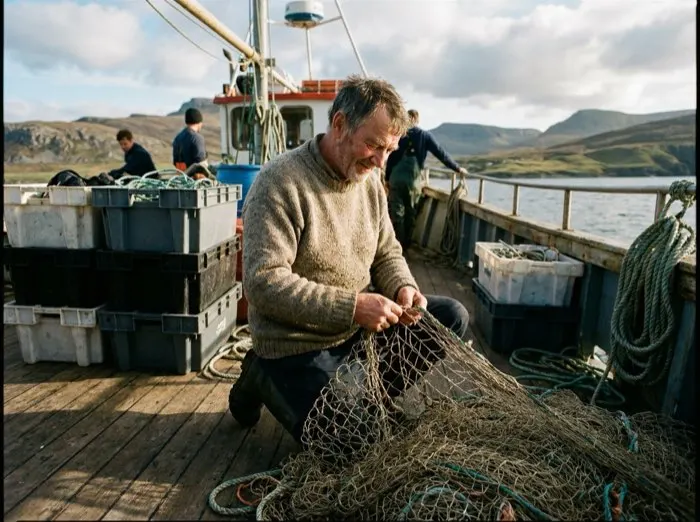
The Reality of Fish Processing Work in Iceland
Iceland is a global leader in modern seafood processing. From cod and haddock to farmed salmon and seasonal capelin, the country relies heavily on foreign workers to keep its processing plants running. If you come from outside the European Union (EU) or European Economic Area (EEA), securing a job in an Icelandic fish processing plant is possible, but you must follow a strict legal application path.
Demand for seafood workers in Iceland remains high throughout the year, with major spikes during specific fishing seasons. However, Icelandic labor regulations are strict. You cannot move to Iceland on a tourist visa and look for factory work. Icelandic authorities require a signed contract and an approved work permit before you fly to the country.
Where Processing Jobs Are Located in Iceland
Seafood processing facilities operate in harbour towns all along the Icelandic coast. Job availability and living conditions vary depending on the region and the species processed there.
- Reykjavík and Capital Region: The Grandagarður harbour district in Reykjavík houses large fish processing facilities and corporate exporters. Housing costs in the capital are high, but public services and local transport are more readily available.
- The Westfjords (Ísafjörður and Bolungarvík): This northwestern region specializes in high-quality cod and haddock processing. Factories in remote Westfjords towns face permanent local staffing shortages and often provide low-cost staff housing to incoming international workers.
- North Iceland (Akureyri, Dalvík, and Siglufjörður): Northern ports feature some of the most technologically advanced automated plants in Europe. Processing plants in Dalvík and Siglufjörður focus on whitefish and pelagic species, requiring workers who can operate computer-guided trimming and sorting lines.
- East Fjords (Neskaupstaður and Seyðisfjörður): Known for massive pelagic processing factories that handle large volumes of capelin, herring, and blue whiting. Labour demand in these towns surges during seasonal runs.
- Vestmannaeyjar (Westman Islands): Located off the south coast, this island community processes massive quantities of whitefish and pelagic fish. Shift schedules here are intensive during the winter capelin run and summer herring season.
Work Permits and Legal Rules for Non-EU Workers
If you hold a passport from a non-EU country (such as Nepal, India, Nigeria, Colombia, the Philippines, or Bosnia), your employer must apply for your work permit before you travel. Two state agencies oversee this process: the Directorate of Labour (Vinnumálastofnun) and the Directorate of Immigration (Útlendingsastofnun).
- Shortage and Specialised Work Permits: General seafood workers apply under temporary permits for jobs requiring specific skills or shortage classifications. Your prospective employer must prove to Vinnumálastofnun that they advertised the position locally and across the EEA for at least two weeks before hiring outside Europe.
- Seasonal Work Permits: For short-term catch seasons, employers can request seasonal work permits valid for up to six months. These permits allow you to work for the duration of the catch but do not directly lead to permanent residency.
- Processing Timeline: Expect work permit processing to take between 8 and 16 weeks. You must wait for final approval in your home country. Entering Iceland as a tourist while your work application is pending can result in permit refusal and deportation.
- Employer Binding: Your work permit is bound to the specific employer named on your application. Switching employers requires applying for a new work permit approval through Vinnumálastofnun.
Pay Rates, Union Agreements, and Net Income
Iceland does not have a statutory national minimum wage set by parliament. Instead, base wages are legally determined by collective bargaining agreements (kjarasamningar) negotiated by labor unions. In the seafood industry, standard rates are defined by Starfsgreinasamband Íslands (SGS) or regional unions like Efling in the Reykjavík area.
Employers are legally required to pay union-negotiated minimum rates. It is illegal to pay foreign workers less than local workers doing the same job.
- Gross Pay Rates: Basic hourly wages for entry-level fish processing workers in 2026 typically range between 2,700 ISK and 3,200 ISK (Icelandic Króna) for daytime shifts. Standard monthly gross income for a 40-hour workweek ranges from 450,000 ISK to 520,000 ISK.
- Shift Supplements and Overtime: Working outside regular daytime hours adds mandatory shift bonuses ranging from 33 percent to 45 percent. During peak seasons, overtime hours can raise total gross monthly pay above 650,000 ISK.
- Performance Bonuses (Bónus): Many whitefish plants run piece-rate bonus systems based on trimming speed, fillet yield, and bone removal quality. Fast workers can earn significant bonus supplements on top of their base rate.
- Taxes and Deductions: Iceland uses a progressive income tax system. Mandatory deductions include municipal tax, state income tax, union dues (around 1 percent), and compulsory pension contributions (4 percent worker contribution matched by employer). Total tax and contribution deductions average 22 percent to 30 percent.
- Net Monthly Income: A foreign worker earning 480,000 ISK gross will clear roughly 350,000 ISK to 380,000 ISK net per month.
- Cost of Living: Iceland is expensive. Renting a room on the private market costs between 80,000 ISK and 140,000 ISK per month. Securing employer-sponsored housing in smaller regional towns is essential for saving money.
Seasons, Production Lines, and Workplace Requirements
Working in Icelandic seafood plants involves high automated efficiency and strict quality standards.
- Capelin Season (January to March): A high-intensity pelagic season lasting 6 to 10 weeks. Work involves continuous sorting, freezing, and roe extraction under 24-hour factory shift rotation.
- Cod and Whitefish Season: Operates year-round with maximum catches during winter and spring. Duties include mechanical gutting, precision filleting, manual trimming, skinning, and packaging.
- Salmon Processing: Aquaculture plants along the Westfjords and East Fjords process farmed salmon year-round, offering consistent daily work routines.
- Equipment and Automation: Icelandic factories rely heavily on automated machinery, including Baader filleting systems, Marel grading and water-jet cutting units, and automated weigh-check stations. Experience operating these machines is highly valued.
- Health and Hygiene Rules: Seafood plants are regulated by Matvælastofnun (MAST), the food safety authority. Employees must follow hygiene standards, wear required protective thermal gear and boots, and complete basic health screenings.
- Language Requirements: English is the primary language used in multi-ethnic factory teams. Fluent Icelandic is not mandatory for entry-level roles, but basic English is required for safety protocols.
Reality Check: Common Misconceptions
- Misconception 1: You can arrive as a tourist and convert to a work visa.
Reality: Icelandic law strictly forbids changing from tourist status to a work permit while inside the country. You must complete the application process from abroad. - Misconception 2: Fish processing work takes place outside in harsh weather.
Reality: Processing takes place indoors in climate-controlled, hygienic, modern factories. However, the work environment is cold and damp, requiring proper thermal gear. - Misconception 3: You keep almost all your earnings as net savings.
Reality: High prices for food, housing, and goods mean daily expenses absorb a large share of your income unless your employer provides subsidized accommodation. - Misconception 4: Seasonal contracts guarantee permanent residence.
Reality: Seasonal work permits do not count toward long-term residency requirements in Iceland. - Misconception 5: Job seekers must pay fees to recruiters.
Reality: Authentic Icelandic employers and authorized agencies never charge applicants for employment contracts or work permit filings.
Set Up Your Workuro Profile to Target Icelandic Employers
Icelandic processing plants regularly check global worker databases to build recruit lists before major catch seasons begin. To ensure your Workuro profile stands out in employer searches, include the exact details Icelandic hiring managers look for:
- Target Specific Locations: List target areas such as the Westfjords (Ísafjörður), North Iceland (Dalvík, Akureyri), or the East Fjords in your preferred work locations.
- Detail Machinery Experience: Name specific processing equipment you have operated, such as Baader filleting machines, Marel computer sorters, or flow-line trimming tables.
- Highlight Technical Skills: Specify your experience levels in manual filleting, pin-bone removal, roe processing, or packaging operations.
- Specify Language Levels: State your English proficiency level clearly, along with any other languages you speak.
- List Safety Certifications: Include any background in HACCP, food hygiene standards, or industrial workplace safety training.
Keeping your profile detailed and accurate allows verified employers in Iceland to review your qualifications directly and reach out with employment offers.
Handa ka na bang mahanap?
Gawin ang profile mo sa loob ng 2 minuto. Libre, walang credit card.
Magbasa pa