Scaffolder Jobs in Austria for Foreign Workers (2026)
 Austria
If you are an experienced scaffolder from outside the European Union, Austria offers clean job sites, strong safety laws, and reliable wages. However, you should know the market size before you start your search. Austria is a smaller country than neighboring Germany. While Germany hires thousands of foreign scaffolders every year to fill massive industrial gaps, Austria hires in smaller, more specialized waves.
That does not mean you cannot find a job in Austria. It means Austrian employers are selective. They look for skilled workers who know system scaffolding, follow strict safety codes, and can commit to learning basic German. If you want high pay floors, strict working hours, and excellent healthcare, Austria is one of the best places in Europe to build your career. This guide explains how the market works, what you will earn, and how to get your work permit in 2026.
The Scaffolding Market in Austria: Where the Demand Is
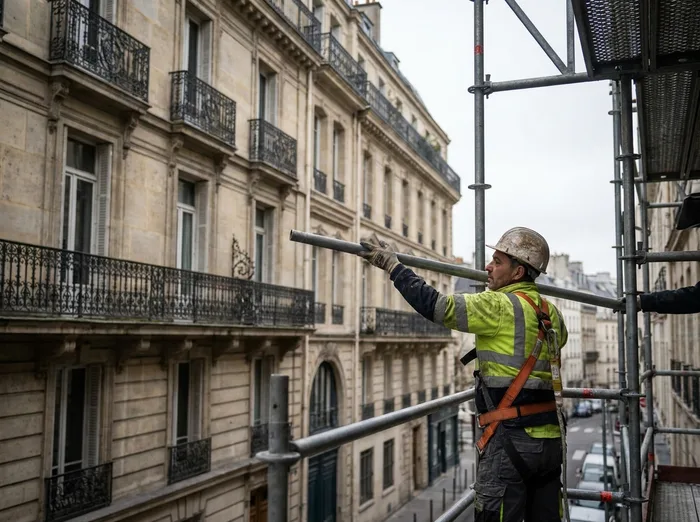
Scaffolding work in Austria splits into two main areas: civil building construction and heavy industrial maintenance. Knowing where these jobs are located helps you target your applications effectively.
The largest volume of facade scaffolding (known locally as Fassadengerüst) is centered in major urban construction hubs:
- Vienna (Wien): The capital has ongoing residential projects, urban expansion in districts like Seestadt Aspern, and continuous restoration work on historical buildings (Altbau renovation).
- Graz and Linz: Graz has a expanding residential build-out, while Linz in Upper Austria (Oberösterreich) is Austria's industrial engine.
- Tyrol (Tirol) and Salzburg: These Alpine regions need skilled scaffolders for seasonal hotel renovations, mountain infrastructure, and civil engineering projects, mostly between April and November.
For industrial scaffolding (Industriegerüst), the heavy demand sits in industrial zones. The central hub is Upper Austria, particularly around Linz and Wels. The massive Voestalpine steel complex and chemical processing plants in this area require specialized scaffolding crews year-round for plant maintenance, shutdowns, and retrofits. Industrial scaffolding in these areas often pays higher rates because of the complex pipe-structure builds and strict chemical plant safety rules.
Red-White-Red Card: Visas and Work Permits for Non-EU Scaffolders
If you come from outside the EU, UK, or EEA, you cannot enter Austria on a tourist visa and start working. You need an official work and residence permit. In Austria, this permit is called the Red-White-Red Card (Rot-Weiß-Rot Karte).
The application process relies on a point-based system managed by the Austrian Public Employment Service (Arbeitsmarktservice or AMS) together with the Federal Ministry for Labour and Economy (BMAW). To qualify, you must score points based on specific criteria:
- Professional Qualification: Documented training as a scaffolder (Gerüstbauer) or a recognized trade diploma in construction.
- Work Experience: Verifiable references from previous employers showing your hands-on experience with system scaffolding like Layher, Peri, or Alfix.
- Language Skills: Points are awarded for German language certificates (A1, A2, or B1 level) or English proficiency.
- Age: Applicants under 35 years old receive higher point values in the official grid.
- Job Offer: You must have a binding job offer from an employer registered in Austria that meets the minimum legal wage requirements.
Austria updates its official Shortage Occupation List (Mangelberufsliste) every year. Scaffolding specialists and qualified structural assembly workers frequently appear on either the nationwide shortage list or the regional lists for Upper Austria and Lower Austria. When a job is on the regional shortage list, the AMS processes the work permit faster because local companies have already proven they cannot find enough local workers.
Pay, Collective Agreements, and Seasonal Work Cycles
In Austria, wages are not decided by individual bargaining alone. They are protected by national collective bargaining agreements called a Kollektivvertrag (KV). For scaffolders, pay is governed by the Construction Industry Collective Agreement (Kollektivvertrag für das Baugewerbe und die Bauindustrie).
Pay rates depend on your skill classification, experience, and certifications:
- Entry-Level / Unqualified Helpers (Bauhilfsarbeiter): Gross hourly wages start around €14.50 to €16.00. This equals a monthly net income of roughly €1,700 to €1,900 for standard full-time hours.
- Skilled Scaffolders / Assemblers (Facharbeiter / Gerüstmonteur): Gross hourly wages range from €16.50 to €20.50. This translates to a monthly net income of roughly €2,000 to €2,500 after tax and social insurance deductions.
- 13th and 14th Month Salary: Austria has a mandatory 14-month pay system. You receive your standard monthly pay 12 times a year, plus two full extra payments: a summer holiday bonus (Urlaubsgeld) in June and a Christmas bonus (Weihnachtsgeld) in November. These extra payments are taxed at a much lower rate.
The hiring season follows a clear cycle. The peak hiring period runs from **March to November**. During the winter months (December through February), outdoor facade scaffolding slows down in mountainous areas due to snow, ice, and sub-zero temperatures. However, industrial scaffolding in factory complexes remains active through the winter months.
Certificates, Safety Standards, and Language Requirements
Austrian worksites operate under strict safety laws enforced by the Labour Inspectorate (Arbeitsinspektorat) and the Austrian Workers' Compensation Board (AUVA). Employers look for candidates who already understand standard European safety rules.
Key standards and qualifications include:
- ÖNORM B 4007: This is the official Austrian standard for scaffolding assembly, erection, and safety inspections. Knowing these assembly rules gives you an advantage during interviews.
- Fall Protection & Working at Heights: Certificates showing formal training in personal protective equipment against falls (PSA gegen Absturz) are highly valued by site supervisors.
- Heavy Goods Vehicle (HGV) Driving License: A Class C or C1 driving license is a huge advantage. Scaffold companies often need crew members who can drive the transport trucks (LKW) from the depot to the construction site.
- Language Level: You do not need fluent German to start, but you need at least basic German (A2 level) to understand daily safety instructions, site signs, and supervisor commands. English is spoken in some large international firms, but local crew chiefs communicate in German.
Reality Check: Common Misconceptions About Scaffolding in Austria
Before you commit time and effort to applying for jobs in Austria, keep these facts in mind:
- You cannot convert a tourist visa inside Austria: You must wait for your Red-White-Red Card approval while residing outside Austria, or submit your application through the Austrian embassy in your home country.
- Safety rules are non-negotiable: Working without a safety harness or failing to install safety railings will get you removed from an Austrian job site immediately.
- German language skills directly control your income: Workers who speak conversational German get promoted to foreman (Vorarbeiter) roles, which come with higher hourly rates and year-round job security.
- Housing is rarely free: Some temporary recruitment agencies (Leiharbeitsfirmen) provide organized housing near the site, but the cost is usually deducted from your monthly wages or arranged directly with your employer.
Build Your Workuro Profile to Catch the Eye of Austrian Employers
Austrian employers and recruitment agencies actively search the Workuro registry when they need skilled tradespeople from outside the European Union. Because hiring a foreign worker involves visa paperwork, employers choose candidates whose profiles show complete, verifiable details from the start.
To give yourself the best chance of being selected for a scaffolding role in Austria, make sure your Workuro profile includes:
- Specific System Experience: Clearly state which scaffolding systems you have assembled (for example: Layher Allround, Layher Blitz, Peri UP, or tube and coupler systems).
- Your Current German Level: Be realistic about your German ability (A1, A2, B1, or beginner). If you are currently taking a German course, list it on your profile.
- Safety Certifications: Upload any valid height safety, rigging, or site safety cards you hold, along with driving licenses (especially Class C/C1).
- Preferred Regions: Mention your willingness to work in top hiring areas like Upper Austria (Linz/Wels), Vienna, or Styria.
Keep your profile updated, maintain accurate contact details, and highlight your hands-on construction experience so Austrian companies can find you directly.
Handa ka na bang mahanap?
Gawin ang profile mo sa loob ng 2 minuto. Libre, walang credit card.
Magbasa pa