Fish and Seafood Processing Jobs in Malta for Foreign Workers (2026)
 Malta
MaltaFish and seafood processing in Malta: What the market really looks like
If you are looking for massive fish factories with thousands of conveyor belts, Malta is probably not your best target. Countries like Norway, Scotland, or Spain process huge volumes of wild salmon and whitefish, employing vast numbers of international workers year-round. Malta is a small Mediterranean island nation with a compact, highly specialized seafood market. If your main goal is sheer job volume in cold-water species, you should consider applying for roles in Northern Europe instead.
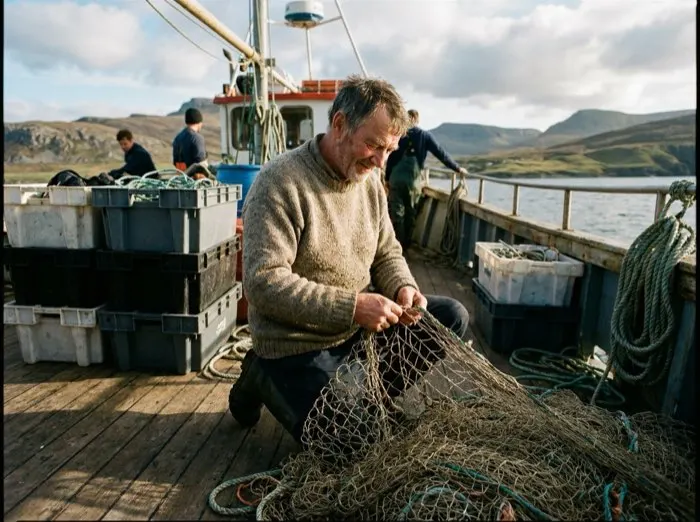
However, Malta has a thriving niche in aquaculture, particularly Atlantic bluefin tuna, sea bass, and sea bream. The island is one of the Mediterranean leaders in tuna farming, where fish are caught, fed in offshore cages, and harvested for global export. Malta also maintains an active local fishing fleet operating out of coastal ports. Processing operations here center on gutting, filleting, grading, flash-freezing, and vacuum-packing fish for local hospitality and foreign export. Work opportunities exist for non-EU workers, but they are concentrated in specific zones and follow specific harvest schedules.
Where the work is located: Ports and industrial zones in Malta
Fish processing and seafood handling jobs in Malta are not spread randomly across the island. They are linked directly to fishing ports, packaging factories, and logistics parks. When you look for work or list your preferred locations, focus on these specific places:
- Marsaxlokk: Located in the southeast, this is Malta's main traditional fishing harbor. While much of the catch goes straight to local markets, several landing facilities and small scale processing workshops operate along the bay.
- Marsa Industrial Estate: Situated near the Grand Harbour, Marsa is the central hub for wholesale seafood distribution, cold storage warehouses, and large processing facilities that prepare fish for hotels, supermarkets, and export.
- Hal Far Industrial Estate: Positioned near the Malta Freeport in the south, Hal Far hosts modern food processing plants, logistics providers, and temperature controlled facilities where seafood is packaged and frozen.
- Xemxija and St. Paul's Bay: Located along the northern coast, these areas serve as operational shore bases for the offshore aquaculture companies that manage tuna, sea bass, and sea bream cages.
Permits, licences, and paper requirements for foreign workers
Workers coming from outside the European Union (South Asia, Africa, Latin America, the Balkans, or Central Asia) must have a valid work permit before starting work in Malta. You cannot arrive on a tourist visa and start working legally on a factory floor. Here is how the legal process works for seafood processing roles:
- Identitá Single Permit: This is the official combined work and residence permit for Malta. Your employer must initiate this process by submitting an application on your behalf to Identitá, the national government agency.
- Jobsplus Labour Market Test: Jobsplus is Malta's national employment agency. Before your work permit is approved, Jobsplus verifies that your employer tried to recruit a Maltese or EU citizen first.
- Food Handling Licence Category B: Under Maltese public health law, anyone who handles, guts, cuts, or packages unpackaged food must hold a Category B Food Handling Licence. This licence is issued by the Environmental Health Directorate under the Ministry for Health. You can obtain this licence by completing an approved food hygiene course online or in person upon arrival.
- Medical Clearance and Chest X-ray: Because seafood processing involves food safety, all foreign applicants must pass a medical examination and chest X-ray to screen for tuberculosis and other infectious diseases before Identitá issues the final residence card.
Wages, working hours, and net monthly income in 2026
Pay in Malta's seafood sector follows national statutory minimum wage rules, supplemented by overtime pay during peak harvest periods. Money in Malta is paid in Euros (EUR). Understanding your expected net income helps you plan your relocation costs accurately.
- Basic Gross Salary: An entry level fish processor or factory hand typically earns between 950 EUR and 1,200 EUR gross per month for a standard 40-hour work week.
- Net Monthly Income: After deductions for income tax and social security (National Insurance), your take-home net pay generally ranges between 850 EUR and 1,050 EUR per month for basic hours.
- Overtime and Shift Premiums: During the intense tuna harvest season, working hours increase significantly. Overtime is paid at standard legal rates (usually 1.5 times the hourly rate), which can raise your net monthly earnings to between 1,100 EUR and 1,350 EUR.
- Living Expenses: Rent in Malta can be high. Foreign workers frequently share multi-bedroom apartments in nearby towns like Birzebbuga, Paola, or Fgura to keep monthly living costs manageable.
Shift patterns and working conditions on the factory floor
Working in seafood processing is physical, repetitive, and demands high attention to hygiene. Knowing what to expect on a daily basis ensures you are prepared for the reality of the floor.
- Cold Temperature Environments: Processing plants are kept chilled at temperatures between 4 and 8 degrees Celsius to preserve fish freshness. Working in cold rooms or walk-in freezers requires thermal undergarments and sturdy waterproof boots provided by the employer.
- Seasonal Hiring Cycles: The busiest time for seafood processing in Malta occurs between October and December during the tuna harvest. A secondary demand peak occurs from May to September, driven by tourist consumption in local restaurants.
- Physical Requirements: Duties include standing for long hours, lifting heavy fish crates (often 15 to 25 kilograms), using filleting knives, operating scale equipment, and operating vacuum sealing machinery.
- Language Requirements: While Maltese is the national language, English is widely spoken in business and industry. Employers require at least basic conversational English so you can understand health and safety rules, equipment instructions, and supervisor feedback.
Reality check: Common myths about seafood jobs in Malta
Many jobseekers get wrong information from informal forums or unreliable online sources. Here are the facts you need to know:
- Myth: You can get hired without speaking any English. Reality: You must be able to read safety warnings and communicate basic instructions in English to pass the required food safety training.
- Myth: Processing plants hire workers on arrival. Reality: Malta enforces strict rules against illegal work. You must wait for your Identitá approval letter before entering the workforce.
- Myth: Fish processing jobs in Malta run at full peak all year round. Reality: The sector relies heavily on seasonal harvests and tourist demand, meaning hours fluctuate between seasons.
- Myth: You do not need formal certificates for knife work. Reality: You cannot touch unpackaged food without a recognized Category B Food Handling Licence issued under Maltese health regulations.
Put your Malta seafood skills on your Workuro profile
When Maltese employers search Workuro for foreign candidates, they look for specific qualifications, practical experience, and readiness to move. Having a generic profile means you might get passed over for candidates who provide precise information.
Make sure your Workuro profile highlights these key details clearly:
- Food Handling Licences: State clearly if you hold a Category B Food Handling Licence or equivalent food hygiene certificates from your home country.
- Specific Processing Skills: List your exact practical skills, such as gutting, filleting specific fish species, knife handling speed, machine packaging, or cold storage forklift operation.
- Language Proficiency: Mention your actual level of spoken and written English clearly.
- Preferred Locations in Malta: Add target areas like Marsa, Marsaxlokk, Hal Far, or St. Paul's Bay so employers hiring in those zones can easily match with your profile.
By keeping your Workuro profile complete and focused on real Maltese requirements, you make it easy for employers to find you when hiring for the next processing season.
Готові, щоб вас знайшли?
Створіть профіль за 2 хвилини. Безкоштовно, без картки.
Читати далі