Working in Slovakia from Colombia: Visa, Permit, Costs (2026)

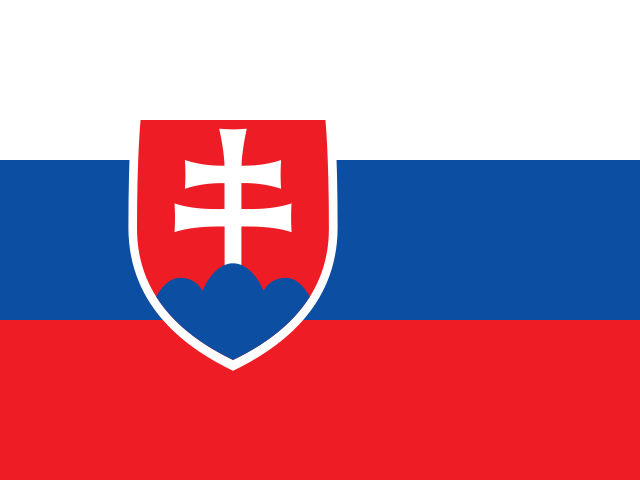 Slovakia
 is far from the usual conversation among Colombian workers looking at Europe, and the distance and language gap are real, but its manufacturing, construction and transport sectors have genuine, ongoing demand for foreign labour, run through an active legal process rather than a theoretical one.
Which permit applies to you
Slovakia uses a combined work and residence authorisation known as the single permit (prechodný pobyt na účel zamestnania). The employer first confirms the vacancy with the local District Labour, Social Affairs and Family Office (úrad práce), which tests whether a Slovak or EU citizen could fill the role - this test can be skipped for occupations on Slovakia's current shortage list, which has included manufacturing and construction trades, so ask the employer directly whether that applies to your role. Once confirmed, you apply for the single permit at the Slovak embassy or consulate covering Colombia, combining work authorisation and residence into one application.
Where to apply and what to bring
Check whether Slovakia maintains its own embassy in Bogota or whether applications are routed through a regional visa centre or another EU state's mission acting on Slovakia's behalf - if no dedicated Slovak presence is confirmed, use the nearest Slovak embassy or visa centre serving Colombia and verify the exact submission point before travelling. Colombia is part of the Hague Apostille Convention, so your police clearance certificate (antecedentes judiciales), educational and trade documents only need an apostille from the competent Colombian authority rather than full legalisation, a real time saver. You will also need your passport, the signed employment contract, proof of the labour office confirmation, proof of your trade qualifications, and confirmation of accommodation arranged in Slovakia.
Whichever mission in or near Bogota handles your file, expect a biometrics appointment - fingerprints and a photo - and ask directly whether a short interview about your contract and planned Slovak address is also required, since this differs between missions.
What it actually costs
Slovakia sets its single permit and visa fees nationally and they do change, so confirm the current figure with the embassy directly rather than an old post online - as a general reference, national visa and permit fees across the EU commonly sit around 80 to 150 EUR combined, worth verifying before you budget. On the Colombian side, budget roughly 50,000 to 150,000 COP (very roughly 10 to 30 EUR) for the police clearance certificate, a smaller cost for the apostille, and translation costs into Slovak or English that can add 200,000 to 500,000 COP depending on the number of documents. A flight from Bogota to Bratislava or Vienna, the nearest major airport, is a long route with at least one, usually two, connections, and can run from roughly 700 to 1,200 EUR depending on season and booking window. Under Slovak and EU rules, recruitment costs sit with the employer, not with you - a legitimate job offer never comes with a bill for the paperwork. Treat any 'visa agency' in Colombia offering a guaranteed Slovak work permit for an upfront payment with suspicion if they can't show you a real named employer; advance-fee job scams targeting Colombians chasing work in Europe have used exactly this shape before.
Where the real jobs are
Slovakia's automotive manufacturing plants and their supplier networks hire foreign workers for production and warehouse roles in meaningful numbers. Construction firms recruit tradespeople for concrete, formwork and finishing work, especially around Bratislava and other expanding cities. Road freight companies hire non-EU drivers holding a recognised heavy-goods licence category and the EU's Driver CPC qualification. Check any wage figure against Slovakia's actual minimum wage directly rather than taking a recruiter's claim at face value.
Build real time into your plan, especially given the distance. Between the employer's District Labour Office confirmation, your document apostille, and the single permit decision, four to seven months from a confirmed job offer to departure is a realistic range, and the long flight routing from Bogota makes early booking worthwhile.
Myths vs facts
Myth: Slovakia is too far and unfamiliar with Latin American workers to consider them. Fact: nationality is not the barrier - a real registered job offer and a passing labour test or shortage-list match are what decide it.
Myth: I can apply for the single permit on my own before securing a job. Fact: the employer has to confirm the vacancy with the labour office first - there's no path to apply speculatively.
Myth: Since Colombia has apostille access, no further document prep is needed. Fact: you still need the exact documents Slovakia requires, properly apostilled and translated into the right language.
Myth: A Slovak work permit covers the whole EU. Fact: it only authorises work in Slovakia - any other EU country needs its own separate permit.
Myth: Colombian driving or trade qualifications need a formal EU equivalence certificate before Slovakia will consider you. Fact: for most manual trades, the employer and the labour office look at your contract, experience and documents directly rather than requiring a formal equivalence process.
Before you sign
- Ask whether your trade currently sits on Slovakia's shortage occupation list
- Confirm the employer has actually registered the vacancy with the District Labour Office
- Have the full contract translated and read it before you sign anything
- Apostille your Colombian documents early so translation and travel timing don't slip
- Get written confirmation of who pays for your flight and first weeks of housing
- Verify the correct Slovak mission or visa centre handling Colombian applications
- Confirm the exact mission or visa centre handling Colombian applications for Slovakia before travelling to submit anything
If your application stalls, ask the employer or the District Labour Office for the specific reason rather than assuming distance from Slovakia is the cause. Stalled files are more often about an incomplete labour market test or a role description that does not clearly match the shortage list, both fixable with a corrected resubmission.
Keep copies of every document you submit, in both Spanish and the translated version, and keep a simple written record of dates and reference numbers for each step. If a document goes missing between offices, your own copies are usually the fastest way to get the file moving again.
If a specific step is unclear, ask the employer's HR contact directly rather than guessing - a genuine Slovak employer that has already gone through the District Labour Office process before usually knows exactly which documents move fastest and which translation offices they trust.
Put this on your Workuro profile
Put your trade, any heavy-vehicle licence categories and your document apostille status on your profile, so a Slovak employer searching the register can see you're close to job-ready. Note your English level clearly, since it often matters more than Spanish on Slovak worksites. Workuro is free for workers - employers pay to search the register, and nobody may charge you for a job.
کیا آپ تلاش کے لیے تیار ہیں؟
2 منٹ میں اپنا پروفائل بنائیں۔ مفت، کوئی کریڈٹ کارڈ نہیں۔
مزید پڑھیں